
DbcultAccessing Vault...
Director's Spotlight
Senior Film Conservator
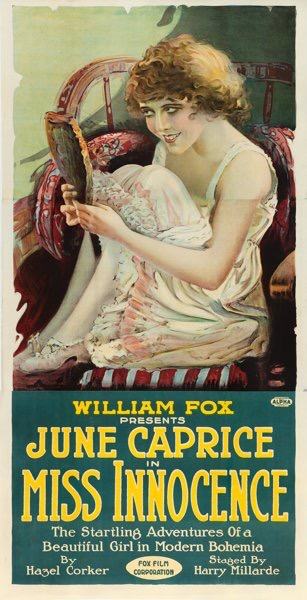
Director's Spotlight: United States
A Deep Dive into the 1918 Vision of Harry F. Millarde
Peeling back the layers of Harry F. Millarde's Miss Innocence exposes the collaborative alchemy between Harry F. Millarde and the 1918 creative team. Anchored by a narrative that is both personal and universal, it reinforces the idea that cinema is a medium of infinite possibilities.
In Miss Innocence, Harry F. Millarde pushes the boundaries of conventional narrative. The film's unique approach to its subject matter has sparked endless debates and interpretations among cinephiles and critics alike.
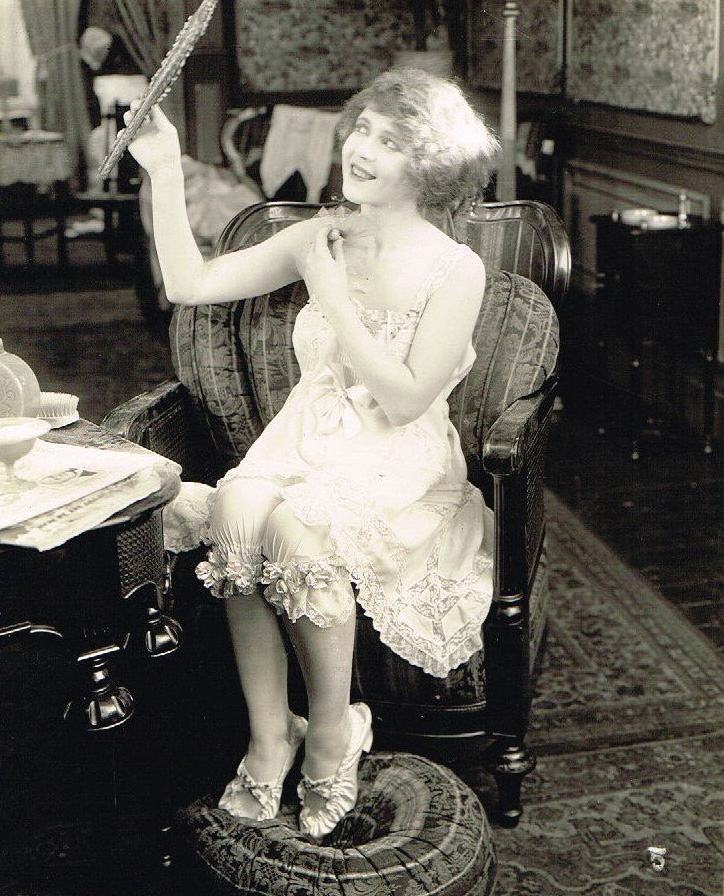
In this work, Harry F. Millarde explores the intersection of cult and United States cultural identity. The meticulous attention to detail suggests a deep-seated commitment to pushing the boundaries of the medium, ensuring that Miss Innocence remains a relevant topic of study for cult enthusiasts.
| Cinematography | Static |
| Soundtrack | Minimalist |
| Editing | Disjunctive |
| Art Direction | Baroque |
Visualizing the convergence of Harry F. Millarde's style and the core cult narrative.
After her lover, Kale Loomis, has had her husband sent to prison on a false charge, Fay Gonard leaves her little daughter, Dolores May, on the steps of a convent. Reared in an atmosphere of strictness and seclusion, Dolores is possessed with a desire to see the world, and after meeting Lawrence Grant, a politician's son, her curiosity is aroused even more and she escapes from the convent. Found on the road by Kale's friends, Dolores lives in his home for a time, but later, Lawrence takes her under his wing with the intention of marrying her. Although she loves Lawrence, Dolores misses Kale's parties and returns to him, whereupon Kale threatens to publicize her activities unless Lawrence's father agrees to his demands. Lawrence takes a repentant Dolores away from one of Kale's riotous parties, but after Kale is found dead, Lawrence is arrested for murder. Dolores' father, however, confesses to the crime, and following his acquittal, he is reunited with his daughter and Lawrence, now her husband.
Decades after its release, Miss Innocence remains a vital piece of the cinematic puzzle. Its influence can be seen in countless modern works, solidifying Harry F. Millarde's status as a master of the craft in United States and beyond.