
DbcultAccessing Vault...
Director's Spotlight
Senior Film Conservator
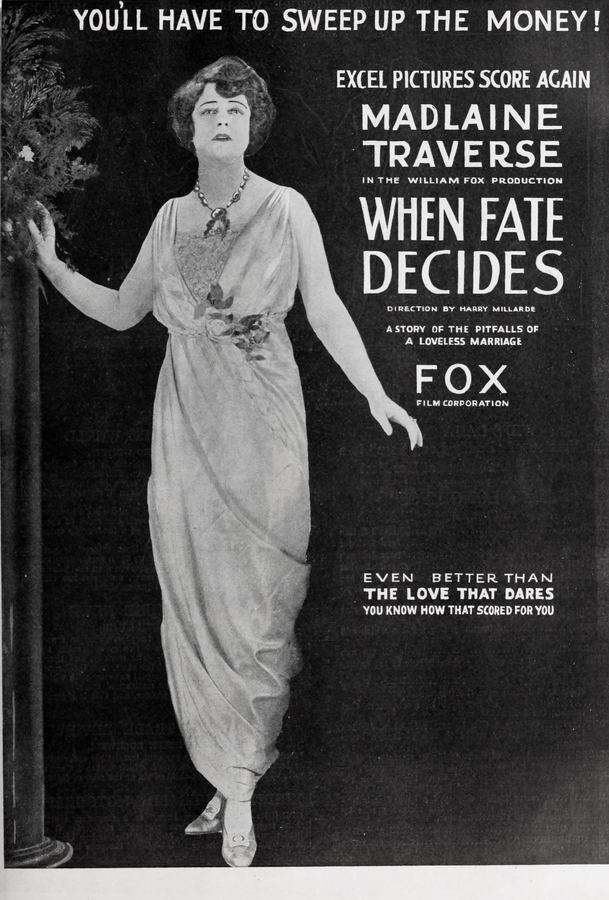
Director's Spotlight: United States
A Deep Dive into the 1919 Vision of Harry F. Millarde
Few works in United States cinema carry the same weight as When Fate Decides, especially regarding the technical innovation that Harry F. Millarde introduced to the cult format. Subverting the expectations of the typical 1919 audience, it bridges the gap between traditional cult and contemporary vision.
In When Fate Decides, Harry F. Millarde pushes the boundaries of conventional narrative. The film's unique approach to its subject matter has sparked endless debates and interpretations among cinephiles and critics alike.
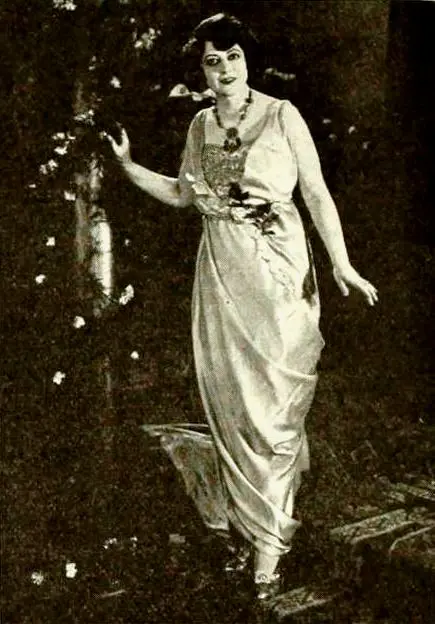
The visual language of When Fate Decides is defined by its use of shadows and framing, a hallmark of Harry F. Millarde's style. By utilizing a 1919-era palette, the film creates an immersive experience that perfectly complements its cult themes.
| Cinematography | Noir-Inspired |
| Soundtrack | Synth-Heavy |
| Editing | Rhythmic |
| Art Direction | Naturalist |
Visualizing the convergence of Harry F. Millarde's style and the core cult narrative.
Vera Loudon is unhappily married to wealthy, profligate Herbert Loudon, who openly makes advances to Mrs. Alicia Carteret at a dinner party. Donald Cavendish, a former admirer of Vera's, witnesses her humiliation and advises her to leave her husband, which she is unwilling to do. During a rainstorm, Donald's automobile breaks down, and he and Vera stop at the Loudon lodge nearby. When Herbert comes in with Mrs. Carteret, Donald and Vera escape unnoticed. Donald returns to claim the gloves he left behind at the lodge. A fight with Herbert ensues, and Donald leaves without the gloves. Herbert is later found dead at the lodge. The gloves make Donald a prime suspect, but Vera uncovers the real culprit: Mr. Carteret. Vera finds happiness at last, married to Donald.
Decades after its release, When Fate Decides remains a vital piece of the cinematic puzzle. Its influence can be seen in countless modern works, solidifying Harry F. Millarde's status as a master of the craft in United States and beyond.