
DbcultAccessing Vault...
Director's Spotlight
Senior Film Conservator
Director's Spotlight: United States
A Deep Dive into the 1921 Vision of Harry Garson
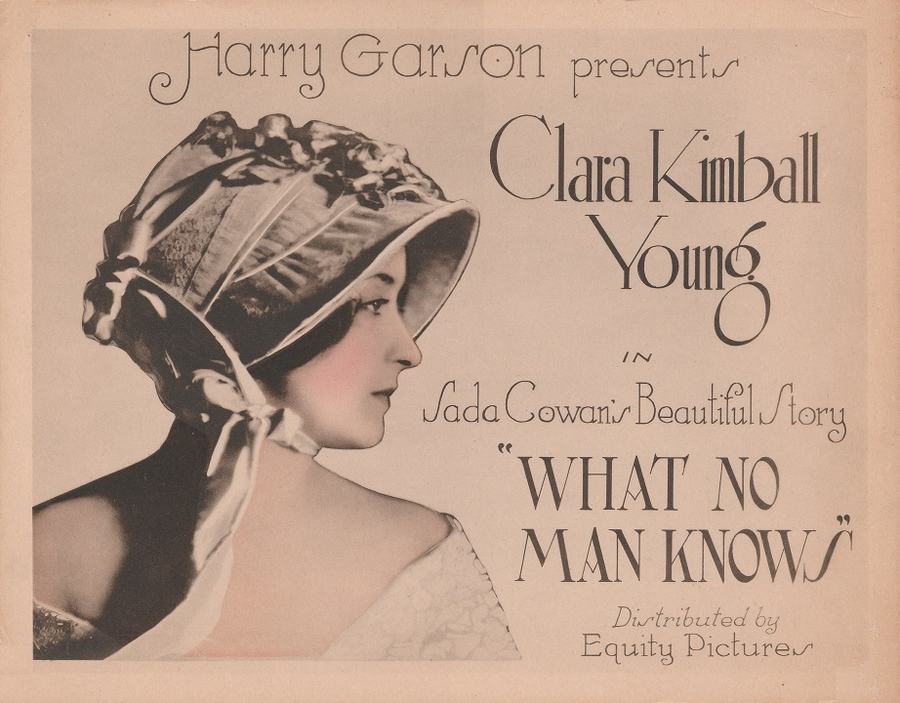
Peeling back the layers of Harry Garson's What No Man Knows exposes the collaborative alchemy between Harry Garson and the 1921 creative team. Anchored by a narrative that is both personal and universal, it reinforces the idea that cinema is a medium of infinite possibilities.
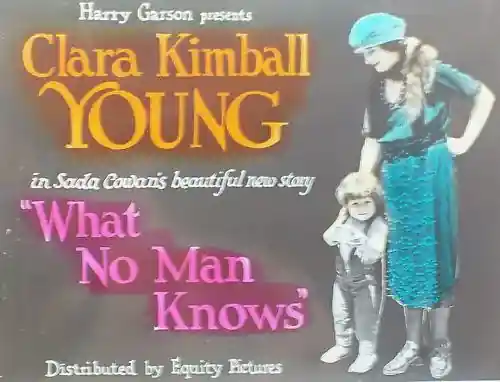
In What No Man Knows, Harry Garson pushes the boundaries of conventional narrative. The film's unique approach to its subject matter has sparked endless debates and interpretations among cinephiles and critics alike.
| Cinematography | Static |
| Soundtrack | Orchestral |
| Editing | Slow-Burn |
| Art Direction | Brutalist |
Visualizing the convergence of Harry Garson's style and the core Drama narrative.
Norma Harvey, a newspaperwoman who devotes much of her time to relieving the sufferings of slum children, still loves her childhood sweetheart, Craig Dunlap, a lawyer who tries to cover up his wife's kleptomania by bribing a witness at her trial. Dunlap, however, is exposed and disbarred. While working in the slums, Norma encounters him in a disreputable dive and takes him to her home along with little Mazie, a blind orphan. Two gossipy neighbors declare her morally unfit, and the child is removed from her custody. On Norma's advice, Dunlap decides to give his wife another chance, but he demands a divorce when he finds her rough-housing with friends. She refuses, but when he threatens to allow her to be arrested for the theft of a fur, she consents. After proving her worthiness, Norma regains the child and finds happiness with Craig.
Decades after its release, What No Man Knows remains a vital piece of the cinematic puzzle. Its influence can be seen in countless modern works, solidifying Harry Garson's status as a master of the craft in United States and beyond.