
DbcultAccessing Vault...
Director's Spotlight
Senior Film Conservator
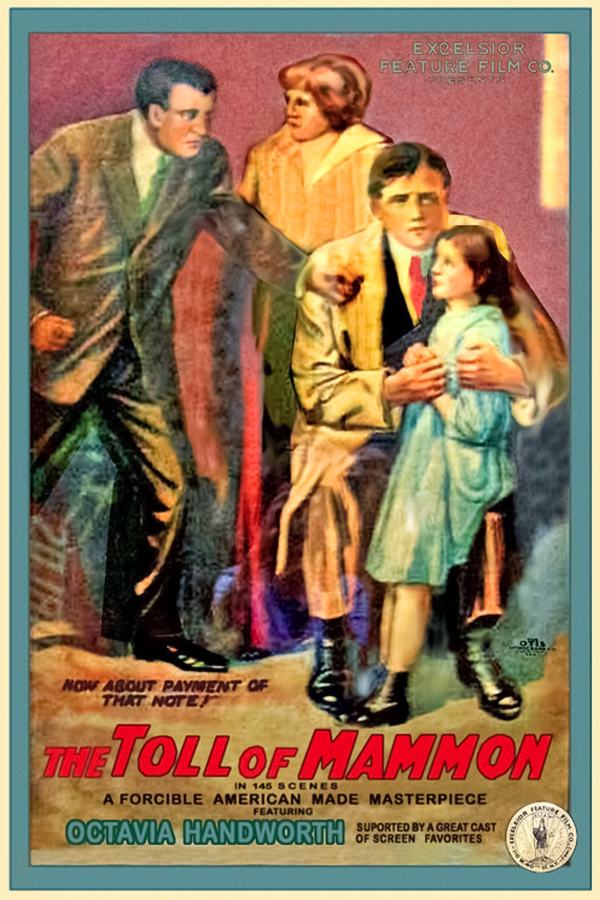
Director's Spotlight: United States
A Deep Dive into the 1914 Vision of Harry Handworth
As a cultural artifact of the 1914s, The Toll of Mammon provides the global recognition that Harry Handworth garnered after the release of The Toll of Mammon. Elevating the source material through Harry Handworth's unique vision, it solidifies Harry Handworth's reputation as a master of the craft.
In The Toll of Mammon, Harry Handworth pushes the boundaries of conventional narrative. The film's unique approach to its subject matter has sparked endless debates and interpretations among cinephiles and critics alike.
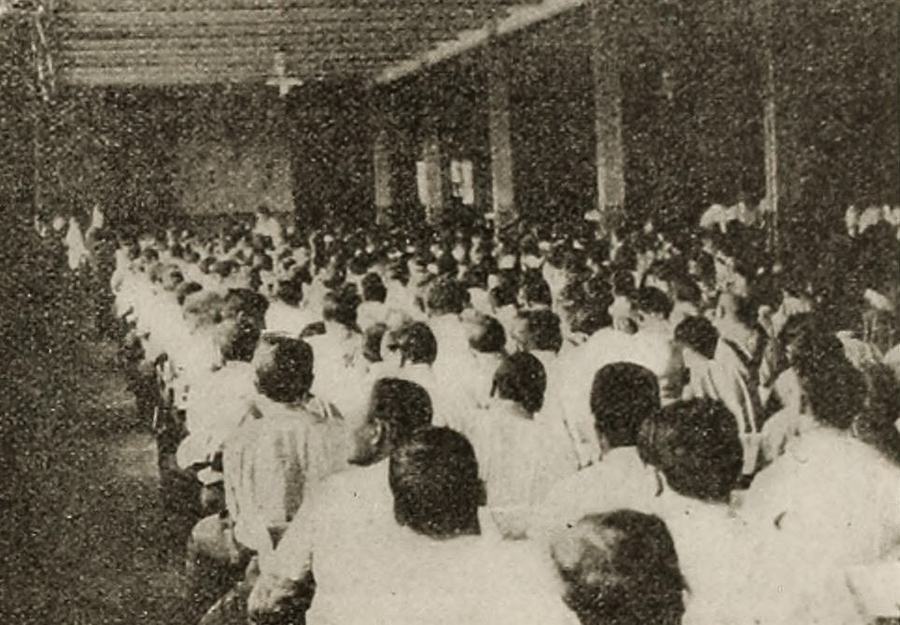
In this work, Harry Handworth explores the intersection of cult and United States cultural identity. The meticulous attention to detail suggests a deep-seated commitment to pushing the boundaries of the medium, ensuring that The Toll of Mammon remains a relevant topic of study for cult enthusiasts.
| Cinematography | Deep Focus |
| Soundtrack | Orchestral |
| Editing | Invisible |
| Art Direction | Kitsch |
Visualizing the convergence of Harry Handworth's style and the core cult narrative.
Dr. John Wright is a young, rising physician. His wife, who was raised in luxury, rebels at their present poverty. Having received an invitation to a great social event, she pleads with her husband to devise some means for obtaining finery, so as to be able to accept the invitation. He borrows two sets of jewels, one of which she loses at the ball. Both are panic stricken. He gives his note for $5,000 to cover the loss. Later he makes a great surgical discovery and becomes famous. Four crooked promoters seek his endorsement to lend legitimacy to their fake tuberculosis cure and promise him $50,000. He refuses. Later the conspirators secure the promissory note and threaten foreclosure. This, and his wife's entreaties to accept the money, influence him to do so. The promoters build a sanatorium and use their dangerous "Alligator Serum." Dr. Wright's little daughter contracts tuberculosis while her father is away at the sanatorium looking over the records. The number of deaths here astound him. Realizing the "Cure" to be a fake, he demands the elimination of his name. They refuse and a struggle ensues. The doctor is wounded and they, fearing exposure, imprison him in the sanatorium. Meanwhile the chief promoter makes advances to the shallow wife and claims the doctor has deserted her, but she repulses him and rushes into another room into the arms of her husband, who has escaped. After hearing her story, the doctor throttles the promoter and ejects him from their home. He then finds his child has been given the fatal serum. Dr. Wright hears that a warrant is out for his arrest, on account of his connection with the sanatorium. Grieving over his threatened arrest, the possible death of his only child and his future ruin, he seizes his revolver, contemplating suicide. The three promoters rush in to buy his silence, but all are filled with fear as the police approach. The doctor, followed by the fear-crazed promoters, rushes out and jumps into a launch. They are pursued by another boat containing the police, who open fire. One of the police bullets strikes the gasoline on board the doctor's boat, which explodes, blowing boat and occupants high in the air. Dr. Wright, the survivor, is only slightly injured, and being caught, he is sentenced to "Thirty Years at Hard Labor," for manslaughter. Broken and dejected from the fate which has followed her foolish vanity and her insistence upon her husband accepting the $50,000, and remorse over her fast-failing child, the doctor's wife sits and watches her baby die of tuberculosis. She earns her living by sewing, and meets him after some years of privation at the prison gate, when he has been pardoned after contracting the dread disease. She accompanies him to the famous Adirondack Sanatorium, where he is cured within one year amidst characteristic scenes in and about the sanatorium. The two, now thoroughly restored to health and sanity through their terrible experiences, find much to live for in their mutual, understanding love, though without riches.
Decades after its release, The Toll of Mammon remains a vital piece of the cinematic puzzle. Its influence can be seen in countless modern works, solidifying Harry Handworth's status as a master of the craft in United States and beyond.