
DbcultAccessing Vault...
Director's Spotlight
Senior Film Conservator
Director's Spotlight: United States
A Deep Dive into the 1915 Vision of Harry Harvey
The 1915 release of Who Pays? marked a significant moment for the enduring legacy of Harry Harvey's artistic contribution to the genre. By challenging the status quo of 1915 cinema, it has cemented its place in the global cult cinema archive.
In Who Pays?, Harry Harvey pushes the boundaries of conventional narrative. The film's unique approach to its subject matter has sparked endless debates and interpretations among cinephiles and critics alike.
| Cinematography | High-Contrast |
| Soundtrack | Minimalist |
| Editing | Disjunctive |
| Art Direction | Baroque |
Visualizing the convergence of Harry Harvey's style and the core cult narrative.
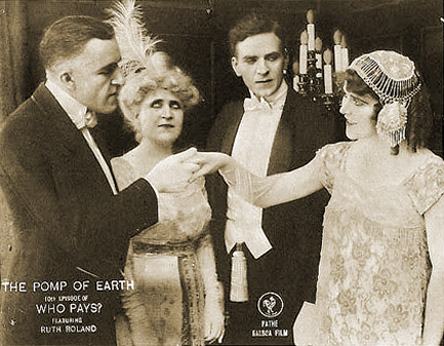
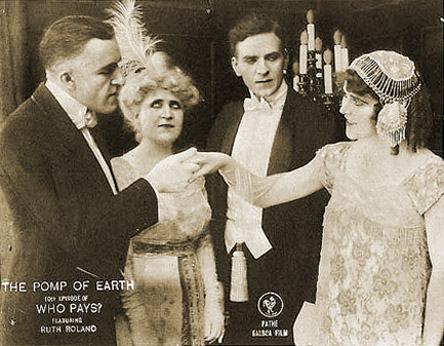
Who Pays? (1915) was a series of twelve three-reel dramas, released between March and July 1915. Henry King and Ruth Roland starred in each episode, playing different roles each time, with a variety of supporting players who varied from one episode to another. Each episode told a complete and individual story, but they were all inter-related by a uniform theme. Although there were no cliff-hanger endings, each episode did, in fact, end with a challenge to the audience: Who was responsible for the misfortune of the principal characters? The titles of the twelve episodes were: #1: The Price of Fame; #2: The Pursuit of Pleasure; #3: When Justice Sleeps; #4: The Love Liar; #5: Unto Herself Alone; #6: Houses of Glass; #7: Blue Blood and Yellow; #8: Today and Tomorrow; #9: For the Commonwealth; #10: Pomp of Earth; #11: The Fruit of Folly; #12: Toil and Tyranny.
Decades after its release, Who Pays? remains a vital piece of the cinematic puzzle. Its influence can be seen in countless modern works, solidifying Harry Harvey's status as a master of the craft in United States and beyond.