
DbcultAccessing Vault...
Director's Spotlight
Senior Film Conservator
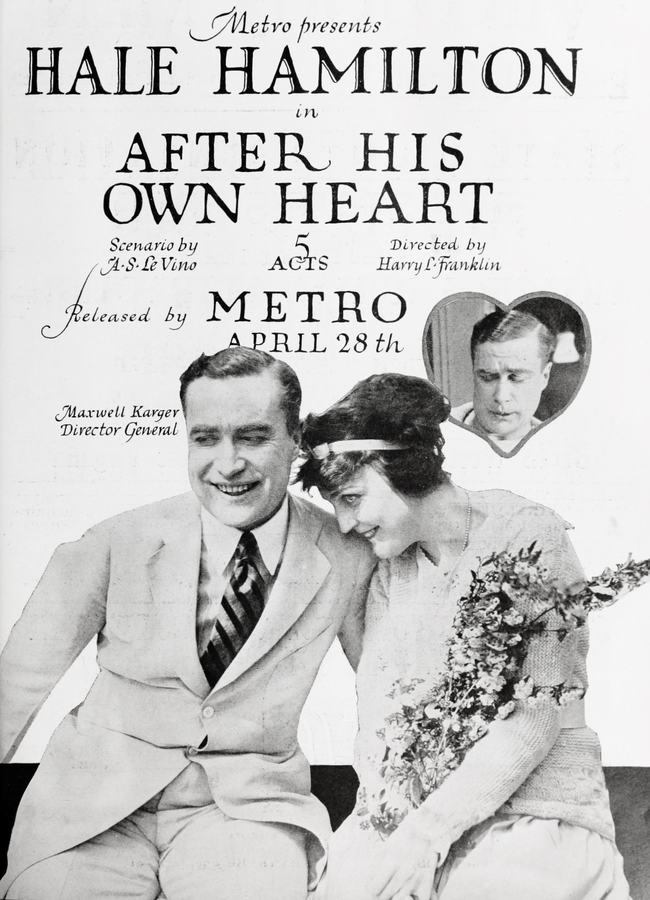
Director's Spotlight: United States
A Deep Dive into the 1919 Vision of Harry L. Franklin
The evocative power of After His Own Heart stems from the unique collaboration between the bold experimentation that has become synonymous with Harry L. Franklin. Framed by the hauntingly beautiful landscapes of the production, it echoes the profound changes occurring in United States during that era.
In After His Own Heart, Harry L. Franklin pushes the boundaries of conventional narrative. The film's unique approach to its subject matter has sparked endless debates and interpretations among cinephiles and critics alike.
While deeply rooted in United States, After His Own Heart has achieved a global reach, influencing directors from various backgrounds. Its ability to translate cult tropes into a universal cinematic language is why it remains a cult staple decades after its 1919 release.
| Cinematography | Handheld |
| Soundtrack | Orchestral |
| Editing | Slow-Burn |
| Art Direction | Brutalist |
Visualizing the convergence of Harry L. Franklin's style and the core cult narrative.
Socialite Thomas Wentworth Duncan reunites with his former lover, Sally Reeves, after a trustee absconds with his fortune. Realizing he cannot afford to support Sally in the manner to which she is accustomed, Duncan impulsively accepts an offer of $250,000, then discovers that he has sold his heart to Dr. Spleen, a surgeon who plans to exchange the organ with that of Sally's uncle, Judah P. Corpus, believing it will restore the old man's youth. Duncan learns that the surgery has only been attempted twice before with a pair of dogs, neither of which survived. He tries to renege on the deal, but a huge attendant prevents him from leaving the doctor's island sanitarium. Spleen dies from excitement before he can begin the operation, leaving Duncan unscathed with his newfound wealth. Duncan and Sally marry, while Uncle Judah believes the operation to have been a success.
Decades after its release, After His Own Heart remains a vital piece of the cinematic puzzle. Its influence can be seen in countless modern works, solidifying Harry L. Franklin's status as a master of the craft in United States and beyond.