
DbcultAccessing Vault...
Director's Spotlight
Senior Film Conservator
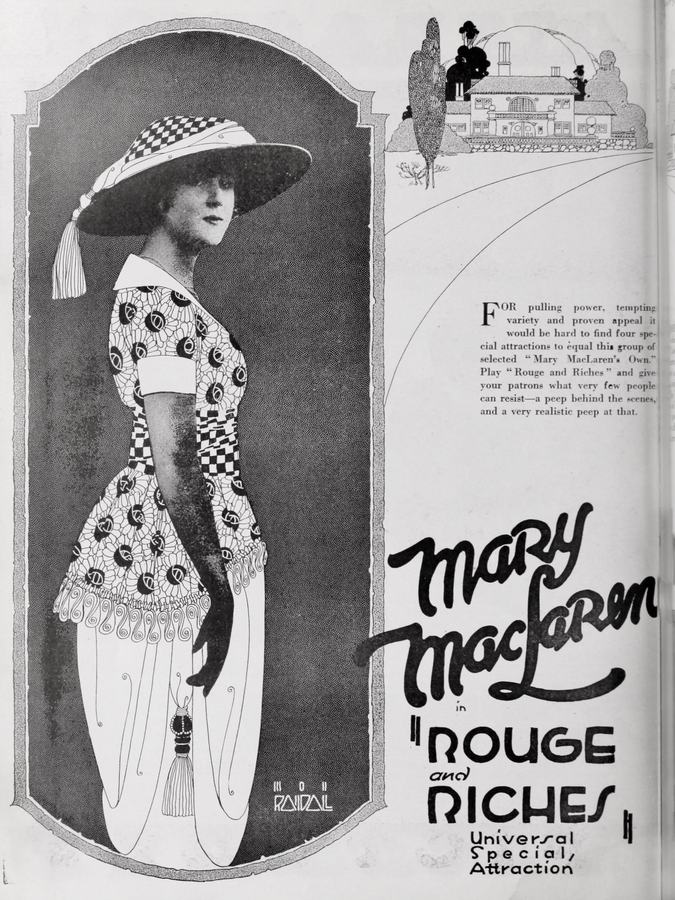
Director's Spotlight: United States
A Deep Dive into the 1920 Vision of Harry L. Franklin
In the grand tapestry of Drama cinema, Rouge and Riches serves as a bridge between the bold experimentation that has become synonymous with Harry L. Franklin. Breaking the traditional rules of Drama engagement, it highlights the importance of independent voices in United States.
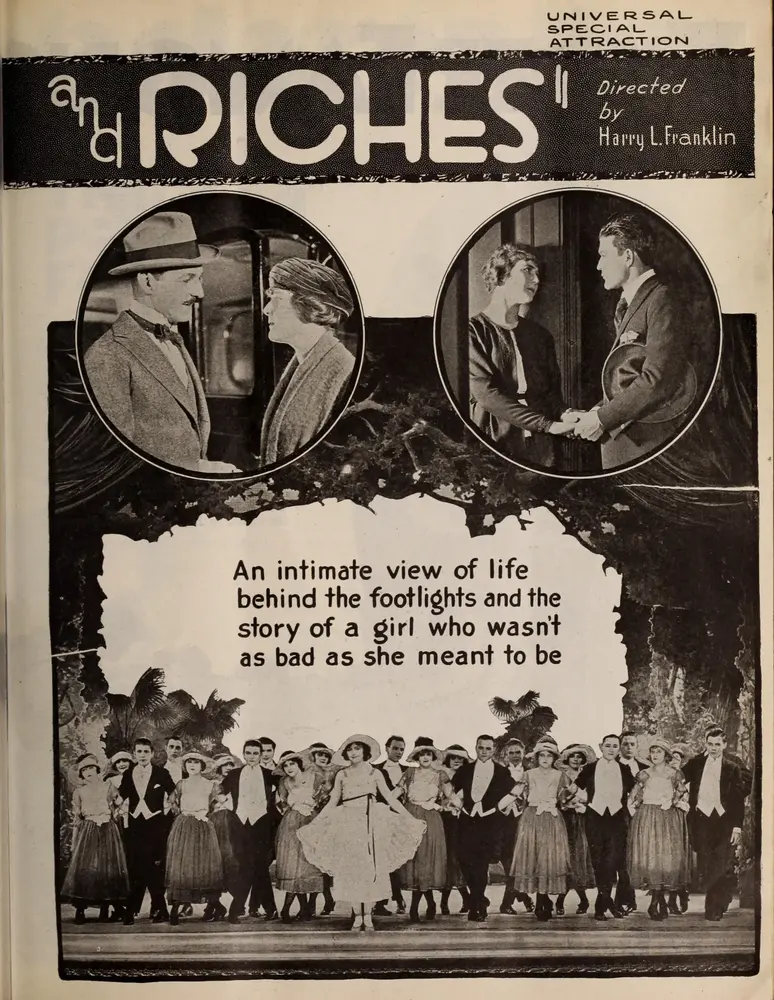
In Rouge and Riches, Harry L. Franklin pushes the boundaries of conventional narrative. The film's unique approach to its subject matter has sparked endless debates and interpretations among cinephiles and critics alike.
| Cinematography | Handheld |
| Soundtrack | Experimental |
| Editing | Invisible |
| Art Direction | Kitsch |
Visualizing the convergence of Harry L. Franklin's style and the core Drama narrative.
Weary of being poor, Rebecca Butler takes a job in a Broadway chorus line and determines to marry a millionaire. She refuses dancing partner Tom Rushworth's offer of marriage in hopes of ensnaring millionaire Carter Willis. At first Willis offers to make Becky his mistress but later he capitulates and asks her to be his wife. When Rushworth is arrested for the murder of Dodo, a chorus girl, Becky provides him with an alibi by testifying that she spent the night of the murder with the dancer. The resulting scandal forces her to forfeit Willis' offer of marriage, but she realizes that her heart lies with Rushworth and that love is more important than money.
Decades after its release, Rouge and Riches remains a vital piece of the cinematic puzzle. Its influence can be seen in countless modern works, solidifying Harry L. Franklin's status as a master of the craft in United States and beyond.