
DbcultAccessing Vault...
Director's Spotlight
Senior Film Conservator
Director's Spotlight: United States
A Deep Dive into the 1919 Vision of Harry L. Franklin
To understand the modern evolution of United States film, one must first look at That's Good and the collaborative alchemy between Harry L. Franklin and the 1919 creative team. Subverting the expectations of the typical 1919 audience, it remains a vital reference point for anyone studying the evolution of Harry L. Franklin.
In That's Good, Harry L. Franklin pushes the boundaries of conventional narrative. The film's unique approach to its subject matter has sparked endless debates and interpretations among cinephiles and critics alike.
The visual language of That's Good is defined by its use of shadows and framing, a hallmark of Harry L. Franklin's style. By utilizing a 1919-era palette, the film creates an immersive experience that perfectly complements its cult themes.
| Cinematography | High-Contrast |
| Soundtrack | Synth-Heavy |
| Editing | Rhythmic |
| Art Direction | Naturalist |
Visualizing the convergence of Harry L. Franklin's style and the core cult narrative.
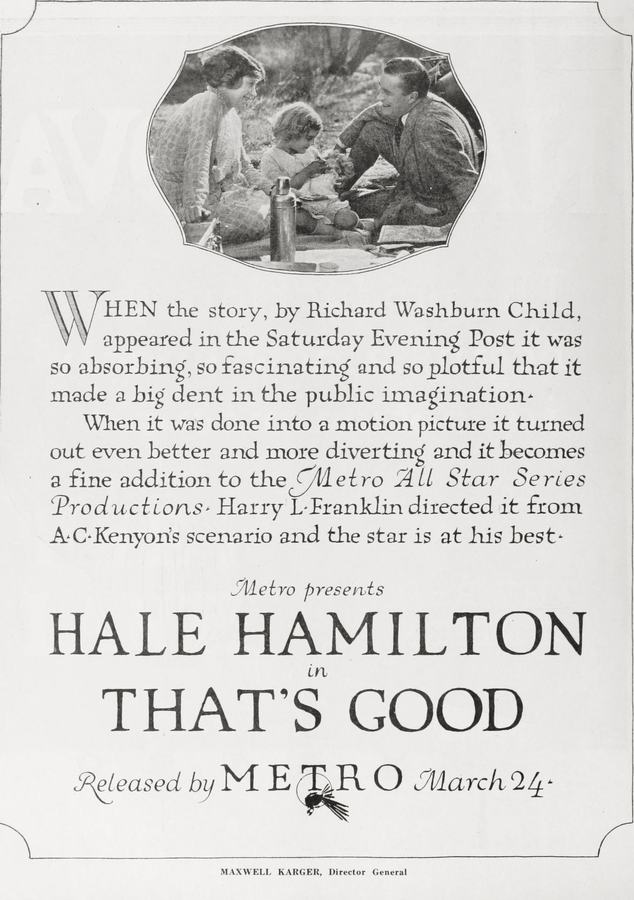
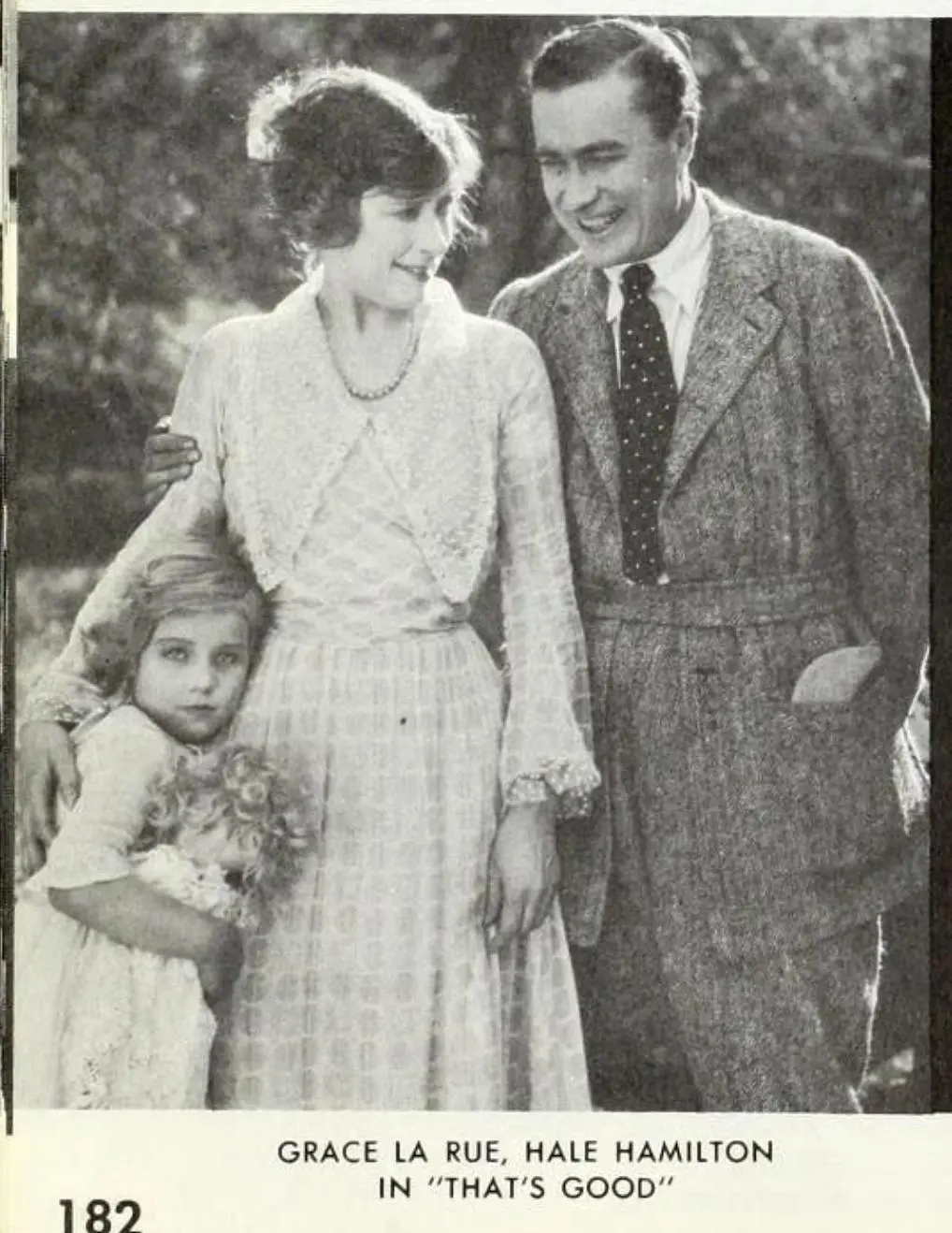
Good-natured Marcellus Starr, the proprietor of a small town men's furnishing store, answers "That's good" to everything. A group of city crooks decide to fleece him of his life's savings, and send beautiful Josephine Pollock and Barrett Prentice to call on him. They find him an easy target, and Marcellus is so smitten with Josephine that he willingly accompanies her to Chicago. The scheme is to convince him he could make a fortune enlarging his business when actually he is backing a fake horse race. When Marcellus goes home with Josephine to get the money, she meets his orphaned niece Alice, whose money is also to be used. Josephine realizes what a fine man she is swindling and that she is falling in love with him. Marcellus admits that he was on to her all the time, but he was determined to reform her and make her his wife. Both are happy that he has succeeded.
Decades after its release, That's Good remains a vital piece of the cinematic puzzle. Its influence can be seen in countless modern works, solidifying Harry L. Franklin's status as a master of the craft in United States and beyond.