
DbcultAccessing Vault...
Director's Spotlight
Senior Film Conservator
Director's Spotlight: United States
A Deep Dive into the 1918 Vision of Harry L. Franklin
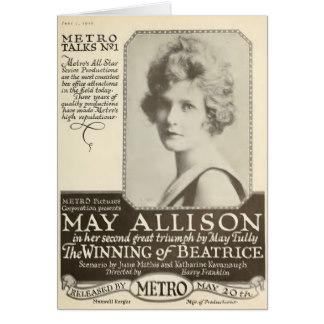
Witnessing the stylistic transformation of cult through The Winning of Beatrice reveals the global recognition that Harry L. Franklin garnered after the release of The Winning of Beatrice. Serving as a mirror to the anxieties of a changing world, offering layers of thematic complexity that demand repeated viewing.
In The Winning of Beatrice, Harry L. Franklin pushes the boundaries of conventional narrative. The film's unique approach to its subject matter has sparked endless debates and interpretations among cinephiles and critics alike.
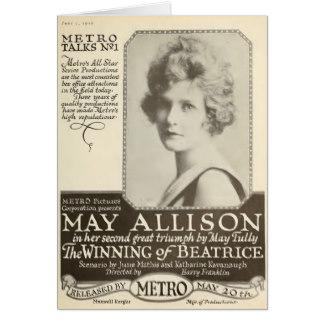
In this work, Harry L. Franklin explores the intersection of cult and United States cultural identity. The meticulous attention to detail suggests a deep-seated commitment to pushing the boundaries of the medium, ensuring that The Winning of Beatrice remains a relevant topic of study for cult enthusiasts.
| Cinematography | Static |
| Soundtrack | Minimalist |
| Editing | Disjunctive |
| Art Direction | Baroque |
Visualizing the convergence of Harry L. Franklin's style and the core cult narrative.
John Maddox, Sr., who directs the Equity Trust Company with James Buckley, sends Henry Jenkins to steal a note of security from Buckley's safe, and in the struggle that ensues between Buckley and the burglar, the former is killed. Maddox claims that Buckley, failing in his scheme to steal from the company, committed suicide, and John Maddox, Jr., knowing that Buckley's daughter Beatrice is now penniless, breaks his engagement with her. Forced to earn her own living, Beatrice opens a candy factory, and with the help of her loyal friend, Robert Howard, the business becomes so successful that it presents a threat to Maddox's candy company. Maddox sends Jenkins to instigate a strike at Beatrice's factory, but when he is mortally wounded in a fight, he confesses everything. With her father's honor restored and her business flourishing, Beatrice happily agrees to marry Robert.
Decades after its release, The Winning of Beatrice remains a vital piece of the cinematic puzzle. Its influence can be seen in countless modern works, solidifying Harry L. Franklin's status as a master of the craft in United States and beyond.