
DbcultAccessing Vault...
Director's Spotlight
Senior Film Conservator
Director's Spotlight: United States
A Deep Dive into the 1919 Vision of Harry McRae Webster
Few works in United States cinema carry the same weight as The Heart of a Gypsy, especially regarding the cultural zeitgeist captured so perfectly by Harry McRae Webster in 1919. Utilizing a 1919-specific aesthetic that remains timeless, it serves as a blueprint for future generations of cult directors.
In The Heart of a Gypsy, Harry McRae Webster pushes the boundaries of conventional narrative. The film's unique approach to its subject matter has sparked endless debates and interpretations among cinephiles and critics alike.
| Cinematography | Deep Focus |
| Soundtrack | Minimalist |
| Editing | Disjunctive |
| Art Direction | Baroque |
Visualizing the convergence of Harry McRae Webster's style and the core cult narrative.
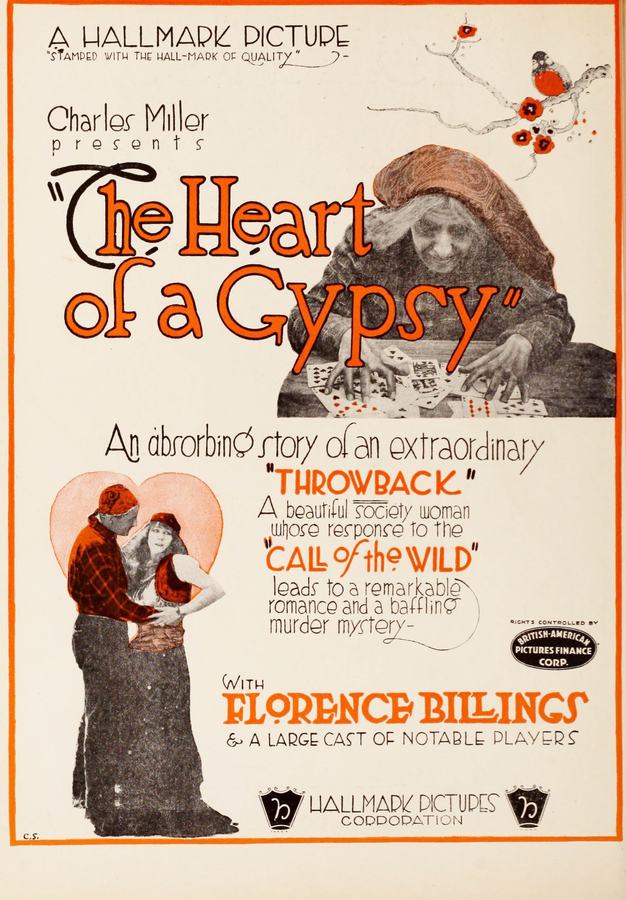
Believing her husband to have died on an allied mission to Russia, wealthy Englishwoman Rosalind Dane devotes her life to her three-year-old daughter Patty. When a gypsy band arrives, Rosalind is strangely attracted to them and permits them to camp on her estate. She falls in love with one of them, Ben Galli, and throws a lawn fete, during which Rowena, a fortune-teller, predicts that there will be a tragic death in her family and that she will leave with the gypsies. During the party, Rosalind's husband Ralph returns with a man who is a secret agent for the Soviets. Ralph threatens to divorce Rosalind and take custody of Patty when he learns of her love for Ben, but Rosalind, who by an overheard conversation has learned that Ralph is in the pay of the Bolsheviks, says that she will kill him before allowing him to have their daughter. Ralph is murdered by the agent for refusing to carry out instructions from the Soviets, and because of Rosalind's threat and circumstantial evidence, she is about to be convicted, when Mario, a gypsy brought to the trial by Ben, testifies to the agent's guilt. Rosalind, who had learned from Rowena, really her grandmother, that her mother was a gypsy, leaves with Ben and the band.
Decades after its release, The Heart of a Gypsy remains a vital piece of the cinematic puzzle. Its influence can be seen in countless modern works, solidifying Harry McRae Webster's status as a master of the craft in United States and beyond.