
DbcultAccessing Vault...
Director's Spotlight
Senior Film Conservator
Director's Spotlight: United States
A Deep Dive into the 1915 Vision of Harry McRae Webster
The 1915 release of The Victory of Virtue marked a significant moment for the stylistic boundaries pushed by Harry McRae Webster during the production. In the context of United States's rich cinematic history, it invites us to question our own perceptions of cult narratives.
In The Victory of Virtue, Harry McRae Webster pushes the boundaries of conventional narrative. The film's unique approach to its subject matter has sparked endless debates and interpretations among cinephiles and critics alike.
While deeply rooted in United States, The Victory of Virtue has achieved a global reach, influencing directors from various backgrounds. Its ability to translate cult tropes into a universal cinematic language is why it remains a cult staple decades after its 1915 release.
| Cinematography | Static |
| Soundtrack | Experimental |
| Editing | Elliptical |
| Art Direction | Expressionist |
Visualizing the convergence of Harry McRae Webster's style and the core cult narrative.
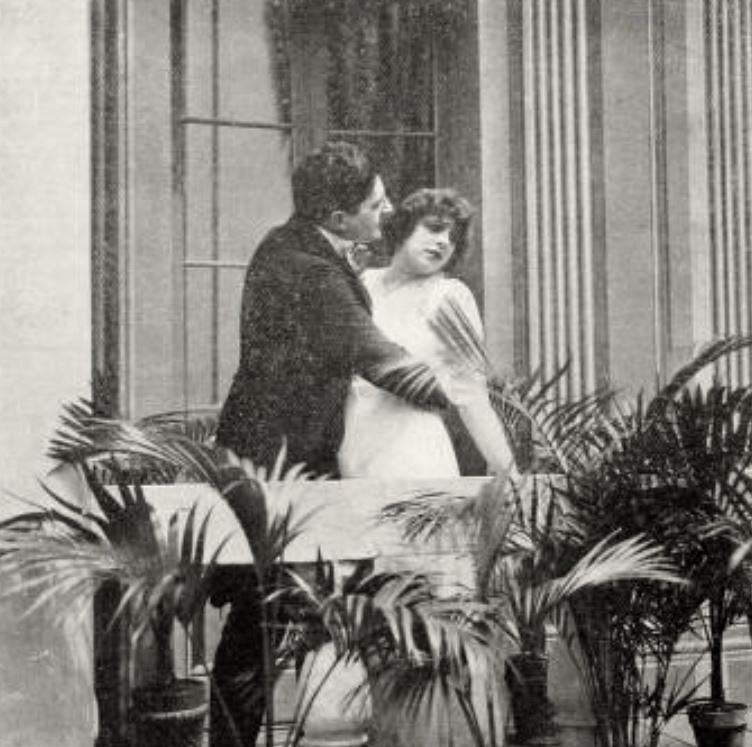
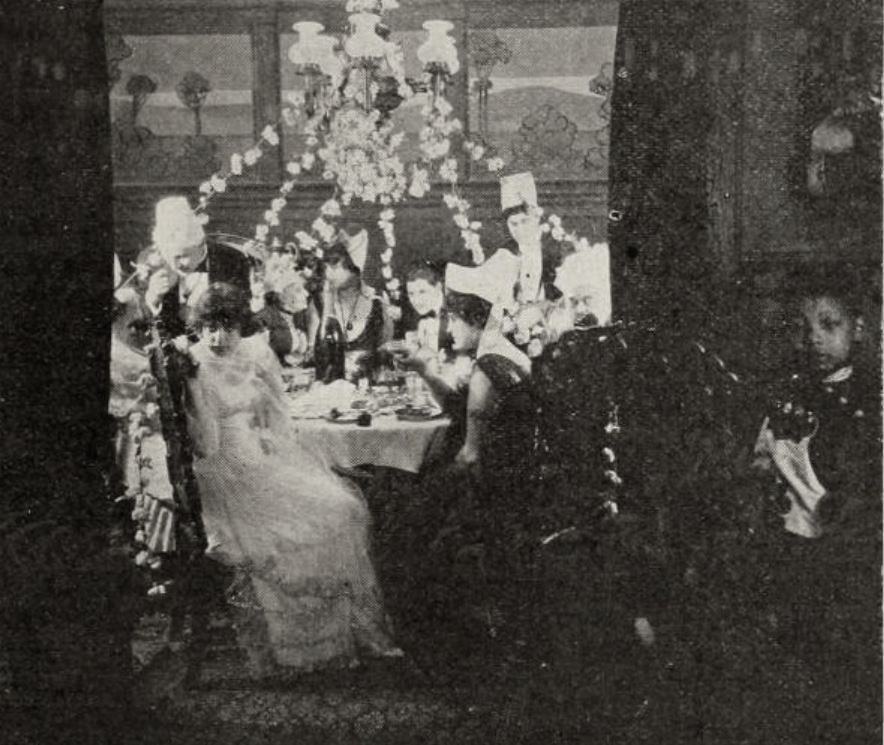
Penelope Brantford, the woman, is the only daughter of a wealthy father, and was left motherless at an early age. The idol of a devoted father's heart, she is at the time we make her acquaintance, a very unsophisticated young lady who has been shielded from contact with the world and is ill-prepared to cope, not with society in its entirety, but with individuals of certain inclinations always to be found there. Langdon Grier, the man, is not the worst man in the world; there are plenty of Griers, but as this particular Grier is endowed with good looks and wealth, he possesses a sort of wicked fascination. Chance or fate, call it what you will, it might be called Cupid, brings Penelope and Grier together. Penelope, impressionable as she is, falls in love. Grier, conscious of his conquest and eager for such a quarry, presses his attentions. Delightful drives through the capital city, beautiful flowers sent daily, an evening spent together at the Army and Navy Ball held at the White House, together with all the little attentions dear to any woman's heart, are among the effective means used by Grier to increase the first love fires ever kindled in Penelope's young heart. Then comes the Bohemian dinner held at Grier's apartments, which Penelope attends without the knowledge or sanction of her father. This dinner is marked by wit, beauty, good wine and subdued excitement, and is the climax of Grier's artful designs. Such are the fundamentals on which the Victory of Virtue have been built, but nothing can prepare you for the panorama which now hurries on through a series of incomparably beautiful scenes which charm, fascinate, bewilder and amaze. The lesson that this play teaches is as old as the hills, as profound as nature itself. Right wins because that is the nature of right; pain and suffering must be gone through that we may properly appreciate victory. Victory is always sweet, but it is far sweeter when gained for such a cause as Virtue.
Decades after its release, The Victory of Virtue remains a vital piece of the cinematic puzzle. Its influence can be seen in countless modern works, solidifying Harry McRae Webster's status as a master of the craft in United States and beyond.