
DbcultAccessing Vault...
Director's Spotlight
Senior Film Conservator
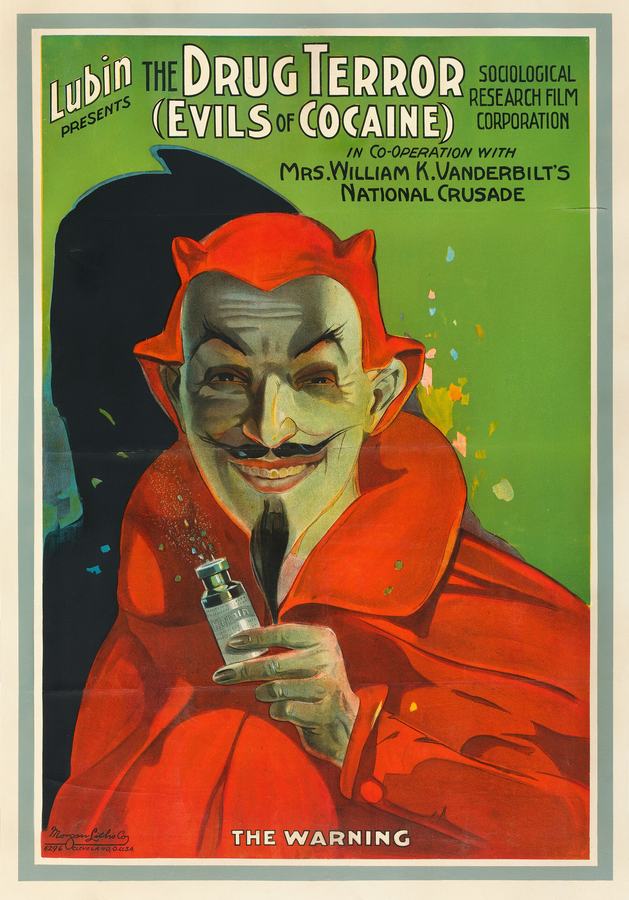
Director's Spotlight: United States
A Deep Dive into the 1914 Vision of Harry Myers
As a cultural artifact of the 1914s, Cocaine Traffic; or, the Drug Terror provides the global recognition that Harry Myers garnered after the release of Cocaine Traffic; or, the Drug Terror. Elevating the source material through Harry Myers's unique vision, it solidifies Harry Myers's reputation as a master of the craft.
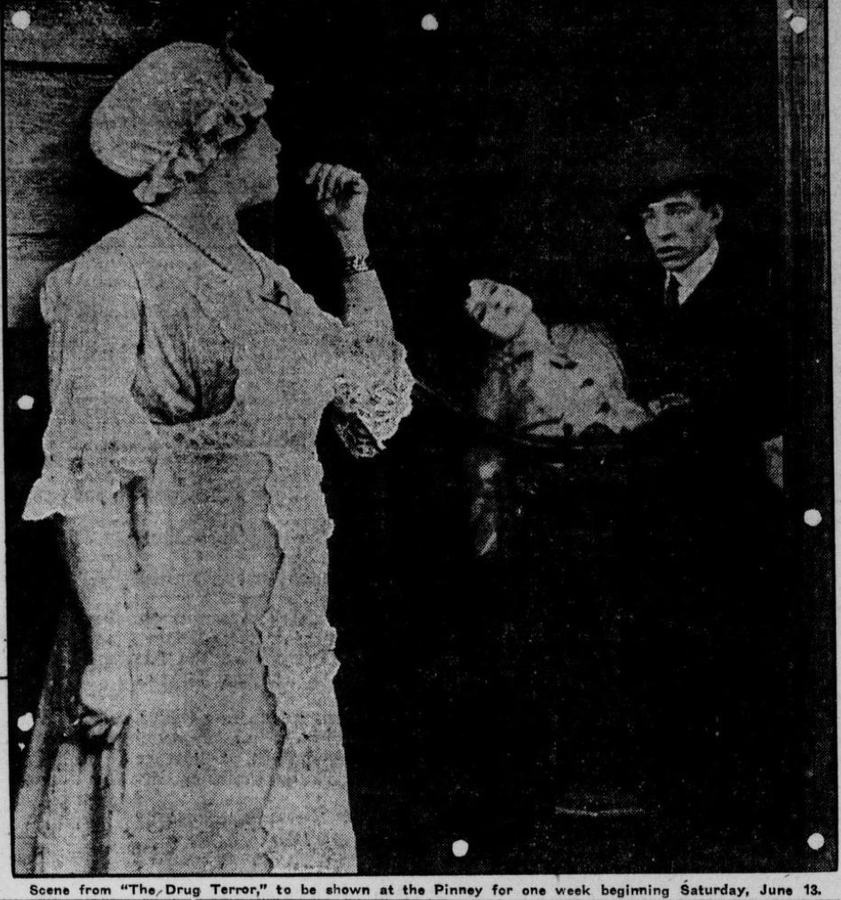
In Cocaine Traffic; or, the Drug Terror, Harry Myers pushes the boundaries of conventional narrative. The film's unique approach to its subject matter has sparked endless debates and interpretations among cinephiles and critics alike.
| Cinematography | Static |
| Soundtrack | Experimental |
| Editing | Elliptical |
| Art Direction | Expressionist |
Visualizing the convergence of Harry Myers's style and the core cult narrative.
Andrews, a former shipping clerk, has amassed a fortune in cocaine and therefore discourages his daughter May's romance with Joe, a policeman. Andrews prefers socialite Roger Hastings, whom May marries but soon discovers is a drug addict. While May is recovering from a nervous breakdown precipitated by the knowledge of Roger's addiction, he slips cocaine into her medication. Soon she also is addicted, a fact which Roger delightedly reports to Andrews. Andrews then commits May to a sanitarium and Roger becomes a procurer for a gang of white slavers. When the gang abducts his sister Julia and takes her to Roger's brothel, he turns against them. Julia is released, and after many complications, Roger returns to Andrews' house and, during a struggle, sets the house on fire, killing them both. Finally, Joe rescues a newly cured May and the two are reunited.
Decades after its release, Cocaine Traffic; or, the Drug Terror remains a vital piece of the cinematic puzzle. Its influence can be seen in countless modern works, solidifying Harry Myers's status as a master of the craft in United States and beyond.