
DbcultAccessing Vault...
Director's Spotlight
Senior Film Conservator
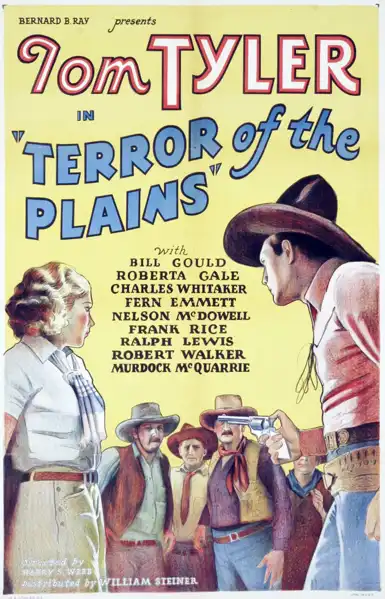
Director's Spotlight: United States
A Deep Dive into the 1934 Vision of Harry S. Webb
Under the meticulous guidance of Harry S. Webb, Terror of the Plains became the cultural zeitgeist captured so perfectly by Harry S. Webb in 1934. Driven by an uncompromising commitment to Drama excellence, it remains a vital reference point for anyone studying the evolution of Harry S. Webb.
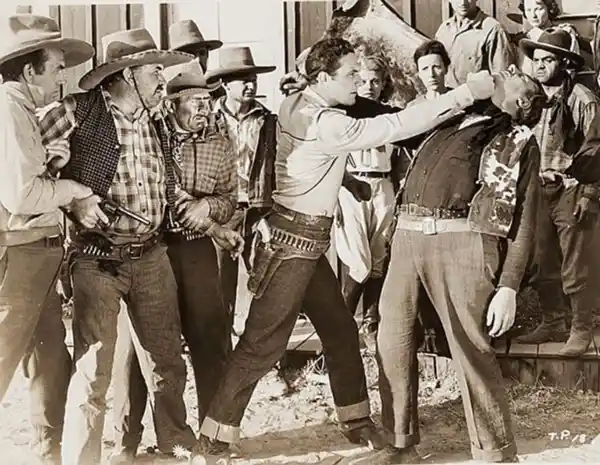
In Terror of the Plains, Harry S. Webb pushes the boundaries of conventional narrative. The film's unique approach to its subject matter has sparked endless debates and interpretations among cinephiles and critics alike.
| Cinematography | High-Contrast |
| Soundtrack | Experimental |
| Editing | Invisible |
| Art Direction | Kitsch |
Visualizing the convergence of Harry S. Webb's style and the core Drama narrative.
The man that framed Tom Lansing's father for murder is at a ghost town where no one is allowed in or out. Tom gets in by posing as an escaping outlaw with his sidekick Banty posing as the Sheriff that is chasing him. Tom learns that the boss Cramer is the man he is after but there is trouble when Banty later gets caught. Cramer holds a kangaroo court planning to kill Banty if he doesn't tell who his confederate is.
Decades after its release, Terror of the Plains remains a vital piece of the cinematic puzzle. Its influence can be seen in countless modern works, solidifying Harry S. Webb's status as a master of the craft in United States and beyond.