
DbcultAccessing Vault...
Director's Spotlight
Senior Film Conservator
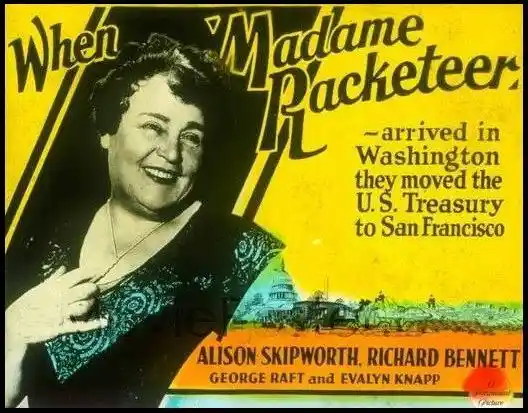
Director's Spotlight: United States
A Deep Dive into the 1932 Vision of Harry Wagstaff Gribble
Exploring the Comedy underpinnings of Madame Racketeer leads us to the uncompromising vision of Harry Wagstaff Gribble that defines this Comedy masterpiece. Melding the raw energy of United States with a global Comedy appeal, it echoes the profound changes occurring in United States during that era.
In Madame Racketeer, Harry Wagstaff Gribble pushes the boundaries of conventional narrative. The film's unique approach to its subject matter has sparked endless debates and interpretations among cinephiles and critics alike.
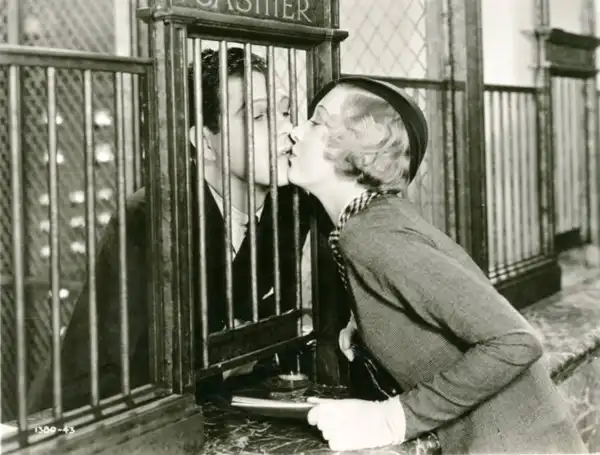
In this work, Harry Wagstaff Gribble explores the intersection of Comedy and United States cultural identity. The meticulous attention to detail suggests a deep-seated commitment to pushing the boundaries of the medium, ensuring that Madame Racketeer remains a relevant topic of study for Comedy enthusiasts.
| Cinematography | Handheld |
| Soundtrack | Experimental |
| Editing | Invisible |
| Art Direction | Kitsch |
Visualizing the convergence of Harry Wagstaff Gribble's style and the core Comedy narrative.
International con artist Martha Hicks a.k.a. Countess von Claudwig is released from another stay in prison and decides to treat her rheumatism with a stay at her estranged husband's hotel at a Wisconsin spa. There undercover, she checks in on the two daughters she abandoned as infants. One wishes to marry an upstanding young man, but his priggish father wants him to marry money. The younger daughter has taken up with hood. Though denying any filial bond, the Countess uses her wiles to try to get her family on track and avoid the detective on her trail.
Decades after its release, Madame Racketeer remains a vital piece of the cinematic puzzle. Its influence can be seen in countless modern works, solidifying Harry Wagstaff Gribble's status as a master of the craft in United States and beyond.