
DbcultAccessing Vault...
Director's Spotlight
Senior Film Conservator
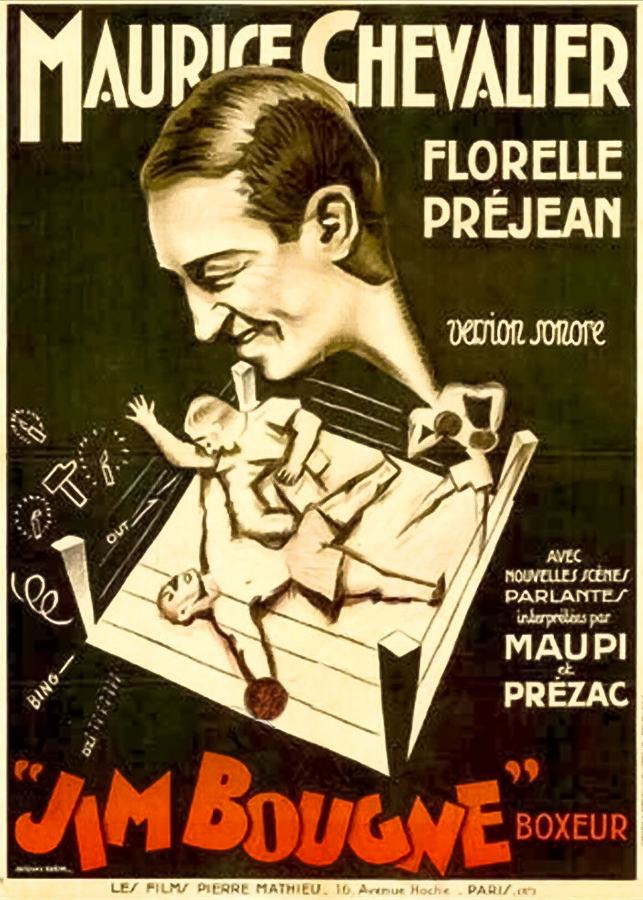
Director's Spotlight: France
A Deep Dive into the 1923 Vision of Henri Diamant-Berger
The artistic breakthrough represented by Jim Bougne, boxeur in 1923 highlights the uncompromising vision of Henri Diamant-Berger that defines this Sport masterpiece. In the context of France's rich cinematic history, it captures a specific kind of cinematic magic that is rarely replicated.
In Jim Bougne, boxeur, Henri Diamant-Berger pushes the boundaries of conventional narrative. The film's unique approach to its subject matter has sparked endless debates and interpretations among cinephiles and critics alike.
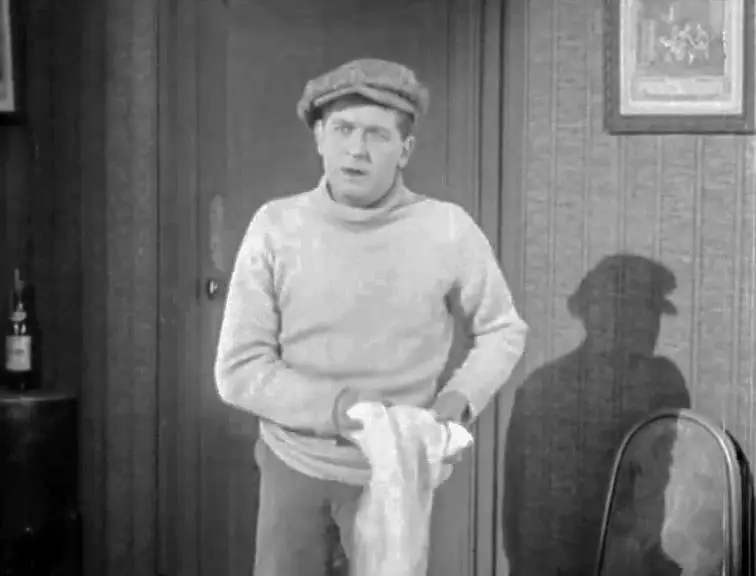
In this work, Henri Diamant-Berger explores the intersection of Sport and France cultural identity. The meticulous attention to detail suggests a deep-seated commitment to pushing the boundaries of the medium, ensuring that Jim Bougne, boxeur remains a relevant topic of study for Sport enthusiasts.
| Cinematography | Static |
| Soundtrack | Diegetic |
| Editing | Elliptical |
| Art Direction | Expressionist |
Visualizing the convergence of Henri Diamant-Berger's style and the core Sport narrative.
M. Martinet has two daughters Floflo and Lulu, and a passion: boxing. He hires a new boxer named Jim Bougne, who has just arrived from the USA to give lessons to his daughters. He also happens to expect the girls to marry a boxer. When he surprises Lulu with her sweetheart Maurice, who hates boxing, Lulu pretends he is actually Jim Bougne. And when the actual Jim comes along, she locks him up in a closet. Martinet, suspicious, warns Maurice that he will stick with him until the evening when Jim Bougne is supposed to fight with Professor Orino and Marcel Dantesse. Maurice will fight bravely to win the fight and his girl.
Decades after its release, Jim Bougne, boxeur remains a vital piece of the cinematic puzzle. Its influence can be seen in countless modern works, solidifying Henri Diamant-Berger's status as a master of the craft in France and beyond.