
DbcultAccessing Vault...
Director's Spotlight
Senior Film Conservator
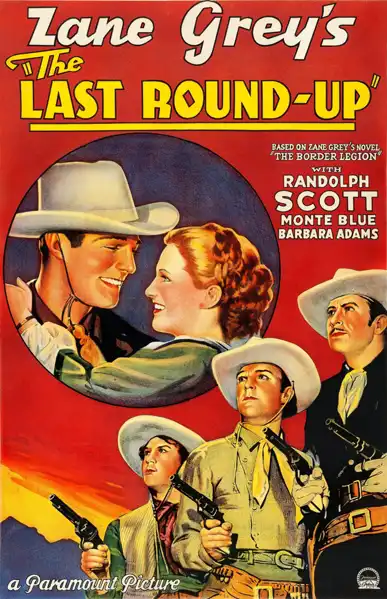
Director's Spotlight: United States
A Deep Dive into the 1934 Vision of Henry Hathaway
Witnessing the stylistic transformation of Western through The Last Round-Up reveals the global recognition that Henry Hathaway garnered after the release of The Last Round-Up. Serving as a mirror to the anxieties of a changing world, offering layers of thematic complexity that demand repeated viewing.
In The Last Round-Up, Henry Hathaway pushes the boundaries of conventional narrative. The film's unique approach to its subject matter has sparked endless debates and interpretations among cinephiles and critics alike.
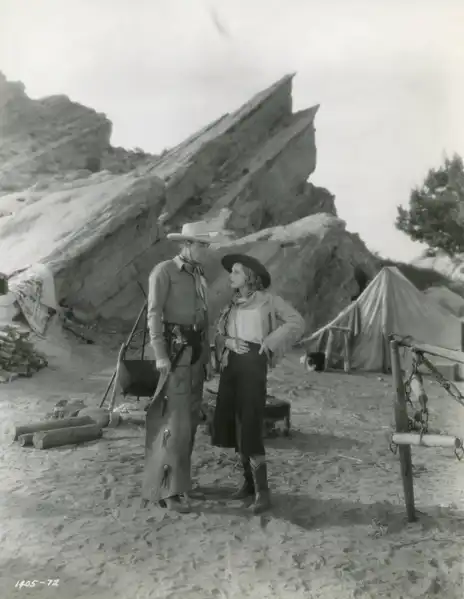
The visual language of The Last Round-Up is defined by its use of shadows and framing, a hallmark of Henry Hathaway's style. By utilizing a 1934-era palette, the film creates an immersive experience that perfectly complements its Western themes.
| Cinematography | Noir-Inspired |
| Soundtrack | Diegetic |
| Editing | Elliptical |
| Art Direction | Expressionist |
Visualizing the convergence of Henry Hathaway's style and the core Western narrative.
Jack Kells's bandit gang, the Border Legion, is run out of a mining town and regroups in Utah. News of a gold strike in Arizona City leads the gang there, and they execute stagecoach robberies to announce their arrival. Jim Cleve, meanwhile, loses all his money at an Arizona City bar. After he sees an old miner killed outside of town, a stagecoach finds Jim by the body and the passengers suspect him of the murder. One passenger, Joan Randall, who is headed to the bar as an entertainer, believes he is innocent, however. Later, Kells and his sidekick, Charles Bunko McGee, a disbarred lawyer, meet up with Joan, who happens to be Kells' former girl friend. Judge Savin is prepared to convict Jim on circumstantial evidence, but when Kells is recognized at the bar, he draws his guns and gives Jim a chance to escape. Jim later joins the Legion because Kells showed more common faith than the townspeople. Kells reproaches one of his gang members, mean Sam Gulden, for killing the old miner, but later has Sam kidnap Joan so he can rekindle their romance. While Kells moves the camp closer to town, Jim and Bunko guard the cabin where Joan is being held against her will. Incensed that Kells is keeping Joan captive, Jim escapes and tells the judge and sheriff where to find her. Kells hopes Jim's rash act will empty the town, so he can rob it, but the suspicious men instead prepare the town for the Legion's arrival. The townspeople explode dynamite and engage in a gunfight against the Legion. Kells and Bunko hide in a saloon where Jim is again being held captive. The three men escape, but Bunko is shot and dies. After Kells tells Jim he is not cut out to be an outlaw, Jim returns for Joan. Kells and Sam team up against Jim and vie for Joan, but when Kells says that she belongs with Jim, Sam shoots him in the back. Kells manages to survive long enough to kill Sam, saving Jim and Joan, and sends them on their way. As the couple rides off for their new life together, Kells slumps in his saddle and dies.
Decades after its release, The Last Round-Up remains a vital piece of the cinematic puzzle. Its influence can be seen in countless modern works, solidifying Henry Hathaway's status as a master of the craft in United States and beyond.