
DbcultAccessing Vault...
Director's Spotlight
Senior Film Conservator
Director's Spotlight: United States
A Deep Dive into the 1934 Vision of Henry Hathaway
The thematic gravity of The Witching Hour (1934) is rooted in the artistic risks taken by Henry Hathaway that eventually paid off. Defining a new era of United States artistic expression, it demands to be seen by anyone who cares about the art of film.
In The Witching Hour, Henry Hathaway pushes the boundaries of conventional narrative. The film's unique approach to its subject matter has sparked endless debates and interpretations among cinephiles and critics alike.
While deeply rooted in United States, The Witching Hour has achieved a global reach, influencing directors from various backgrounds. Its ability to translate Drama tropes into a universal cinematic language is why it remains a cult staple decades after its 1934 release.
| Cinematography | Handheld |
| Soundtrack | Orchestral |
| Editing | Invisible |
| Art Direction | Kitsch |
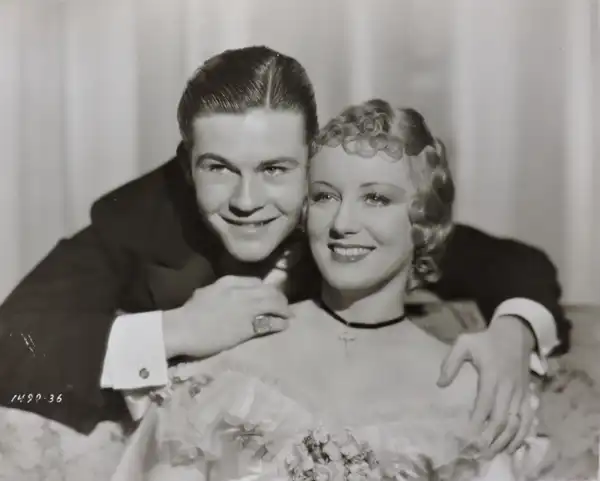
Visualizing the convergence of Henry Hathaway's style and the core Drama narrative.
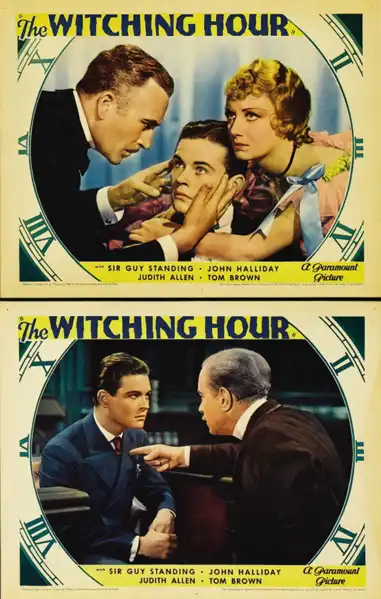
Jack Brookfield, a gambler with clairvoyant and hypnotic powers, is able to win at cards through his unique gift. But when he inadvertently hypnotizes young Clay Thorne, Thorne kills an enemy of Brookfield's while under a trance. No one believes Brookfield's protestations that Thorne is innocent of any murderous intent, so Brookfield teams up with retired lawyer Martin Prentice in hopes of saving the young man from the gallows.
Decades after its release, The Witching Hour remains a vital piece of the cinematic puzzle. Its influence can be seen in countless modern works, solidifying Henry Hathaway's status as a master of the craft in United States and beyond.