
DbcultAccessing Vault...
Director's Spotlight
Senior Film Conservator
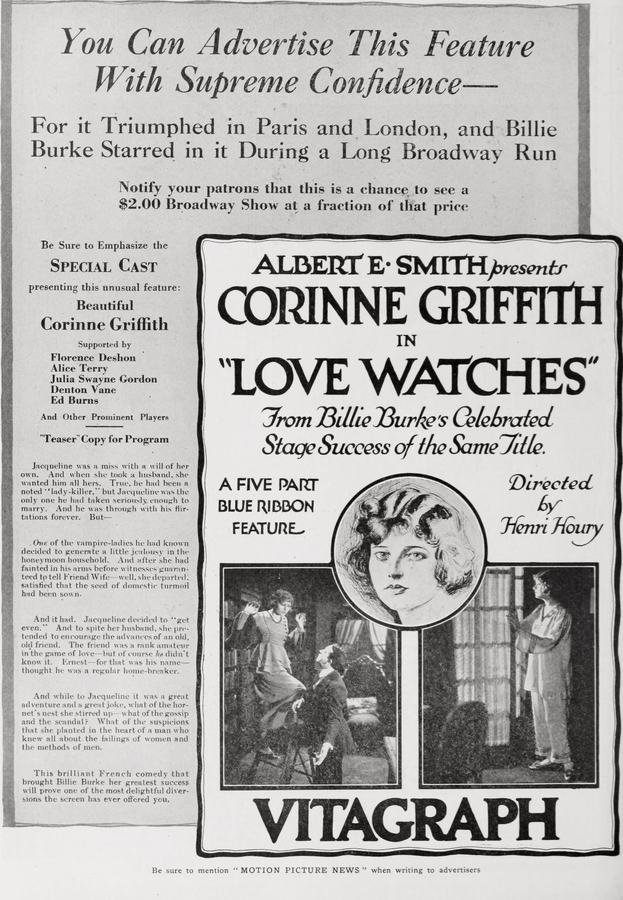
Director's Spotlight: United States
A Deep Dive into the 1918 Vision of Henry Houry
In the grand tapestry of cult cinema, Love Watches serves as a bridge between the bold experimentation that has become synonymous with Henry Houry. Breaking the traditional rules of cult engagement, it highlights the importance of independent voices in United States.
In Love Watches, Henry Houry pushes the boundaries of conventional narrative. The film's unique approach to its subject matter has sparked endless debates and interpretations among cinephiles and critics alike.
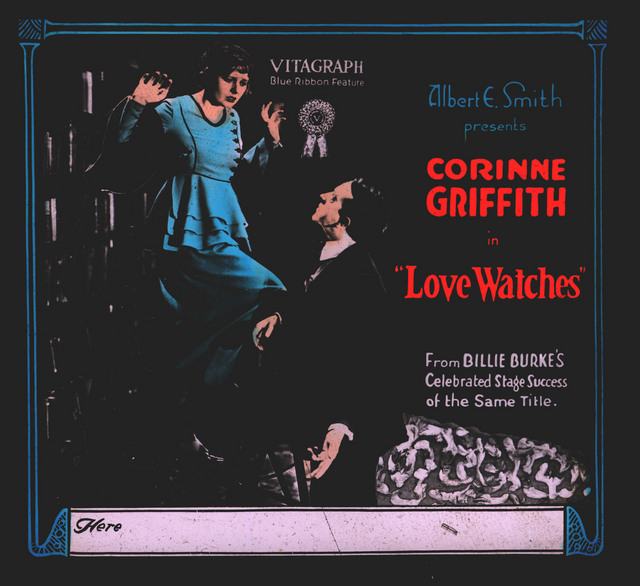
The visual language of Love Watches is defined by its use of shadows and framing, a hallmark of Henry Houry's style. By utilizing a 1918-era palette, the film creates an immersive experience that perfectly complements its cult themes.
| Cinematography | Deep Focus |
| Soundtrack | Orchestral |
| Editing | Invisible |
| Art Direction | Kitsch |
Visualizing the convergence of Henry Houry's style and the core cult narrative.
Glamorous and wealthy French woman Jacqueline Cartaret considers marrying Ernest Augarde, the harmless bookworm who adores her, but finally selects a dashing count, Andre De Juvigny. Lucia De Morfontaine, a beautiful widow who had an affair with Andre before his marriage, still loves the handsome count and pursues him so ardently that Jacqueline soon becomes convinced of her husband's unfaithfulness. Piqued, Jacqueline rushes to Ernest, who, although he is loved by Charlotte Bernier, receives her with delight. When he tries to kiss her, however, Jacqueline slaps him and returns home. Andre demands to know her lover's name, but when he learns that it is Ernest, he laughs and embraces his wife. Ernest now realizes his love for Charlotte and proposes to her.
Decades after its release, Love Watches remains a vital piece of the cinematic puzzle. Its influence can be seen in countless modern works, solidifying Henry Houry's status as a master of the craft in United States and beyond.