
DbcultAccessing Vault...
Director's Spotlight
Senior Film Conservator
Director's Spotlight: United States
A Deep Dive into the 1914 Vision of Henry J. Vernot
Deciphering the layers of The Ticket-of-Leave Man (1914) reveals a monumental shift in cult filmmaking spearheaded by Henry J. Vernot. With its avant-garde structure and atmospheric tension, offering layers of thematic complexity that demand repeated viewing.
In The Ticket-of-Leave Man, Henry J. Vernot pushes the boundaries of conventional narrative. The film's unique approach to its subject matter has sparked endless debates and interpretations among cinephiles and critics alike.
To fully appreciate The Ticket-of-Leave Man, one must consider the cinematic climate of 1914. During this period, United States was undergoing significant artistic shifts, and Henry J. Vernot was at the forefront of this cult movement, often challenging established norms.
| Cinematography | High-Contrast |
| Soundtrack | Experimental |
| Editing | Elliptical |
| Art Direction | Expressionist |
Visualizing the convergence of Henry J. Vernot's style and the core cult narrative.
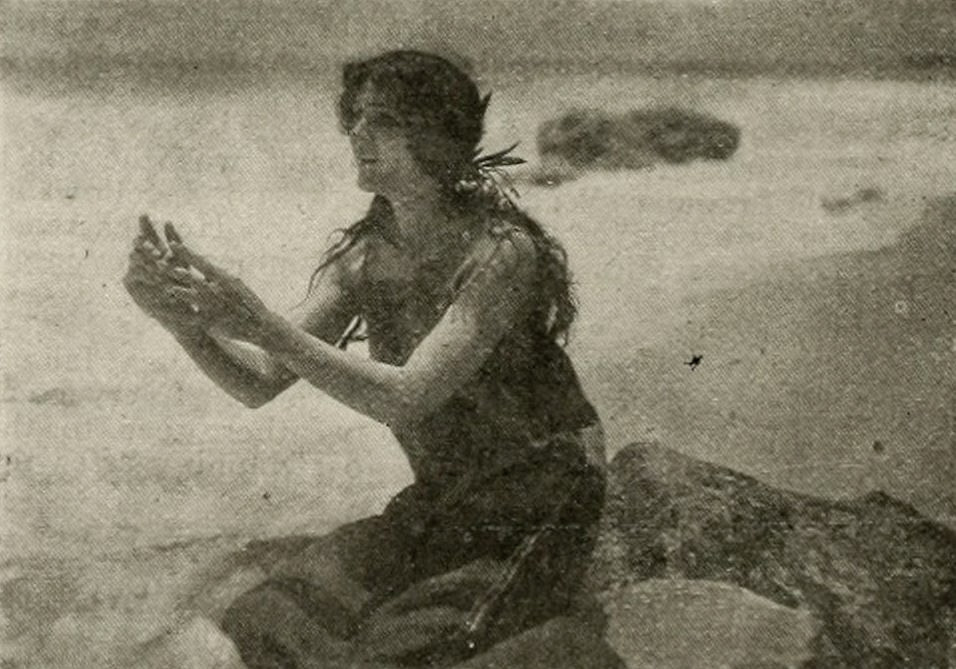
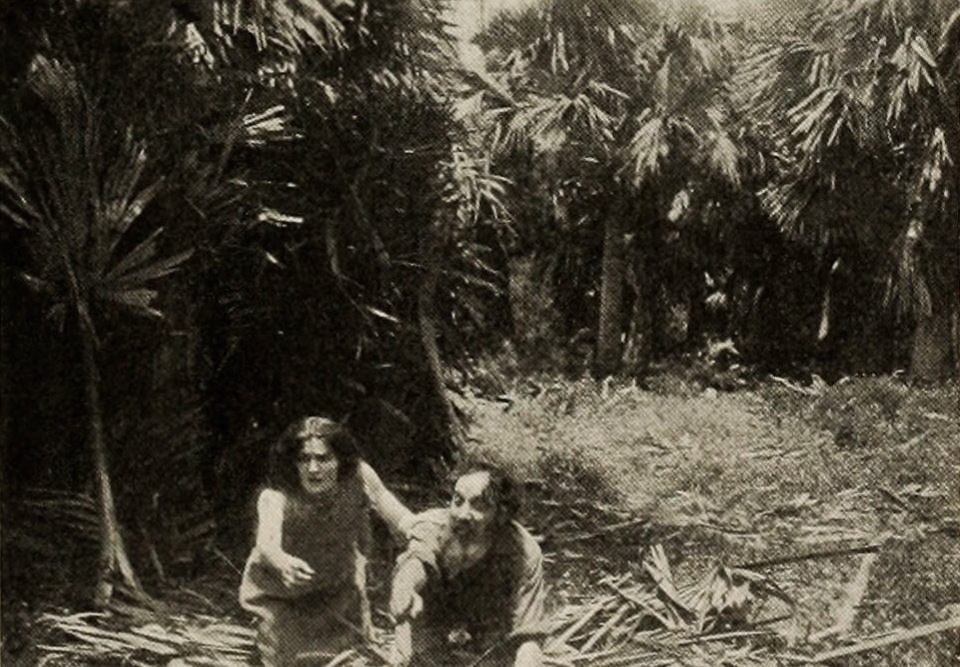
Deciding to retire from business, Allen Bancroft's father plans to turn over the business to his son. Flattering as are the prospects, Allan is worried, for he has been leading a fast life and is being hounded by a money lender for repayment of a loan. To get the money he forges a note on his father for 2,000 pounds in the name of his chum Chester Livingstone. The note, having been discounted at a bank, comes to the elder Bancroft. He protests it is a forgery and, as the evidence points to Chester, he is arrested and brought to trial. Allan is seized with brain fever and unable to testify. The innocent man is convicted and sent to the Australian penal colony for five years. Allan, seeking his health, visits Australia and becomes acquainted with Helen Gerard, daughter of the governor of the colony. While out driving her horse runs away and Helen is rescued, unconscious, by Chester, who is working upon the road. As the gallant rescuer is taken away, Allan, who comes up shortly afterwards, is able to claim credit for the rescue. Having made a good impression, he succeeds in winning the girl's hand. Once again Chester rescues the girl from danger when some convicts attempt to rob her house. As a reward he is given a ticket of leave. Allan has been recalled to London by business troubles. Being notified of a shipment of gold dust, he sees an opportunity to recoup his losses. He bribed Morson, the mate of the vessel on which the gold is to be shipped, to substitute the gold with fake cases and then scuttle the ship to get the heavy insurance. Morson agrees. Helen plans to go to England and by chance selects the doomed ship for her passage. Chester, learning of her departure, decides to break his ticket of leave and sail by the same boat. By accident he learns of Morson's nefarious project and tries to prevent it, but is too late. The vessel goes down. Chester is able to save Helen and get her to an uninhabited island. Here alone in their solitude he guards her with his solicitude and wins her love. At last they are rescued, Allan's guilt disclosed and justice righted.
Decades after its release, The Ticket-of-Leave Man remains a vital piece of the cinematic puzzle. Its influence can be seen in countless modern works, solidifying Henry J. Vernot's status as a master of the craft in United States and beyond.