
DbcultAccessing Vault...
Director's Spotlight
Senior Film Conservator
Director's Spotlight: United States
A Deep Dive into the 1919 Vision of Henry King
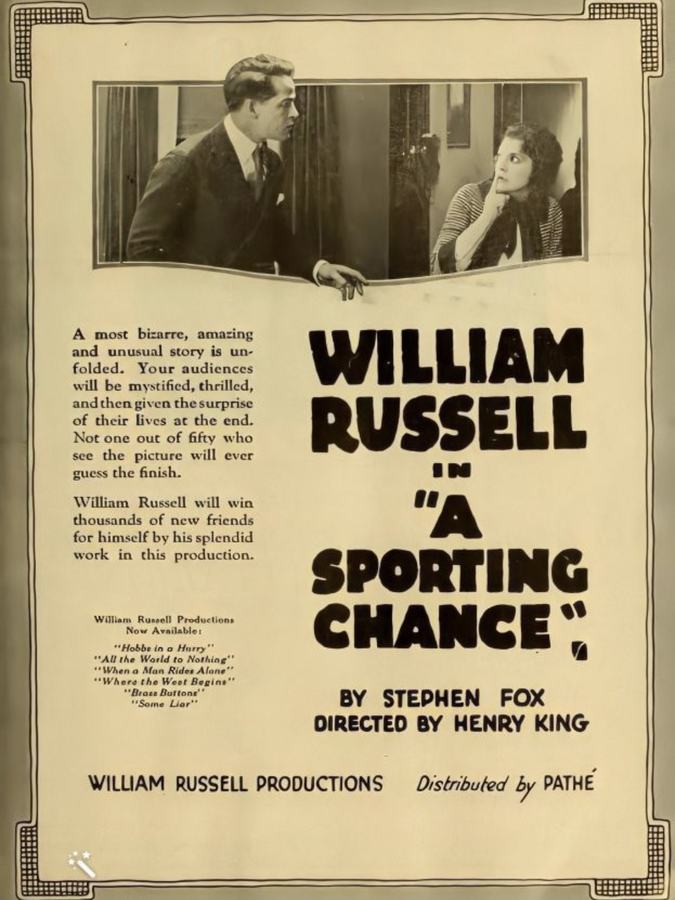
Deciphering the layers of A Sporting Chance (1919) reveals the complex thematic architecture established by Henry King. Utilizing a 1919-specific aesthetic that remains timeless, it stands as the definitive 1919 statement on cult identity.
In A Sporting Chance, Henry King pushes the boundaries of conventional narrative. The film's unique approach to its subject matter has sparked endless debates and interpretations among cinephiles and critics alike.
| Cinematography | Deep Focus |
| Soundtrack | Experimental |
| Editing | Elliptical |
| Art Direction | Expressionist |
Visualizing the convergence of Henry King's style and the core cult narrative.
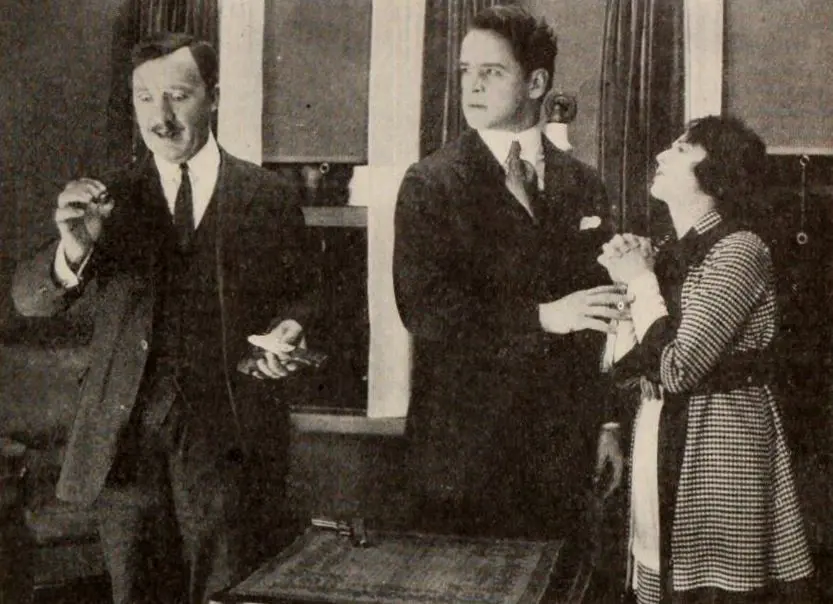
The clerks at a New York hotel near Times Square turn away customers until they approve millionaire John Stonehouse and give him room 420. While attempting suicide, John hears a shot from a nearby room. Finding Gilberte Bonheur bending over the limp body of Aaron Witt, whom, she says, she shot when he tried to assault her, John, wanting to die anyway, offers to take the blame. He escapes after recovering an emerald that Witt used to blackmail Gilberte. After Gilberte, Witt, and the clerks conspire, John helps Gilberte hide Witt, who revives and demands the emerald or its value. John writes a check and leaves taking a theater ticket given to him by Gilbert. John, who contemplated suicide because he accidentally drank a strange poison, now receives an antidote which his chemist created. Cured, he goes to the theater and sees the happenings in the hotel enacted. Backstage, Gilberte explains that the ruse was to prove to a critic that the plot could really happen. They then confess their mutual love.
Decades after its release, A Sporting Chance remains a vital piece of the cinematic puzzle. Its influence can be seen in countless modern works, solidifying Henry King's status as a master of the craft in United States and beyond.