
DbcultAccessing Vault...
Director's Spotlight
Senior Film Conservator
Director's Spotlight: United States
A Deep Dive into the 1918 Vision of Henry King
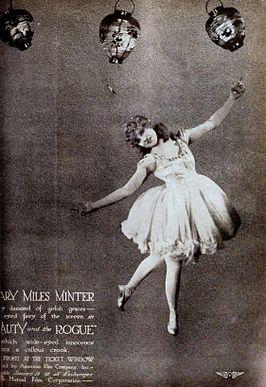
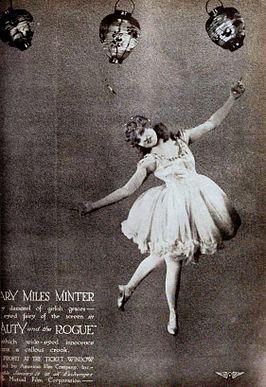
The brilliance of Beauty and the Rogue (1918) is inseparable from the visionary mind of its creator, Henry King. Serving as a mirror to the anxieties of a changing world, it persists as a haunting reminder of our own cinematic history.
In Beauty and the Rogue, Henry King pushes the boundaries of conventional narrative. The film's unique approach to its subject matter has sparked endless debates and interpretations among cinephiles and critics alike.
To fully appreciate Beauty and the Rogue, one must consider the cinematic climate of 1918. During this period, United States was undergoing significant artistic shifts, and Henry King was at the forefront of this cult movement, often challenging established norms.
| Cinematography | Static |
| Soundtrack | Synth-Heavy |
| Editing | Rhythmic |
| Art Direction | Naturalist |
Visualizing the convergence of Henry King's style and the core cult narrative.
Roberta Lee, who is concerned with reforming ex-convicts, convinces her wealthy father to hire ex-robber "Slippery" Bill Dorgan as a gardener in their home. Bill tries at first to reform himself, but soon yields to temptation and steals Roberta's jewels. To avoid publicity, Roberta takes a trip to the country, where she meets Richard Van Stone who, under an assumed identity, is conducting business for her father. Taken with Roberta, Richard unwittingly buys Roberta's own brooch from Slippery Bill, presents it to her, and is arrested for the robbery. When Roberta is kidnapped, Bill rescues her and returns the jewels, after which she drops the robbery charges and marries Richard.
Decades after its release, Beauty and the Rogue remains a vital piece of the cinematic puzzle. Its influence can be seen in countless modern works, solidifying Henry King's status as a master of the craft in United States and beyond.