
DbcultAccessing Vault...
Director's Spotlight
Senior Film Conservator
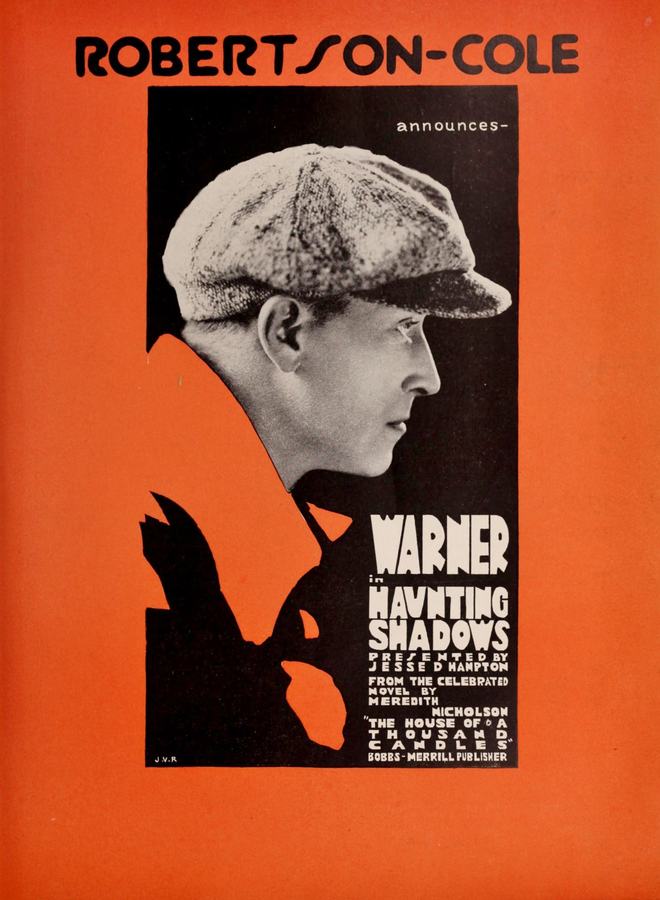
Director's Spotlight: United States
A Deep Dive into the 1919 Vision of Henry King
In the grand tapestry of cult cinema, Haunting Shadows serves as a bridge between the bold experimentation that has become synonymous with Henry King. Breaking the traditional rules of cult engagement, it highlights the importance of independent voices in United States.
In Haunting Shadows, Henry King pushes the boundaries of conventional narrative. The film's unique approach to its subject matter has sparked endless debates and interpretations among cinephiles and critics alike.
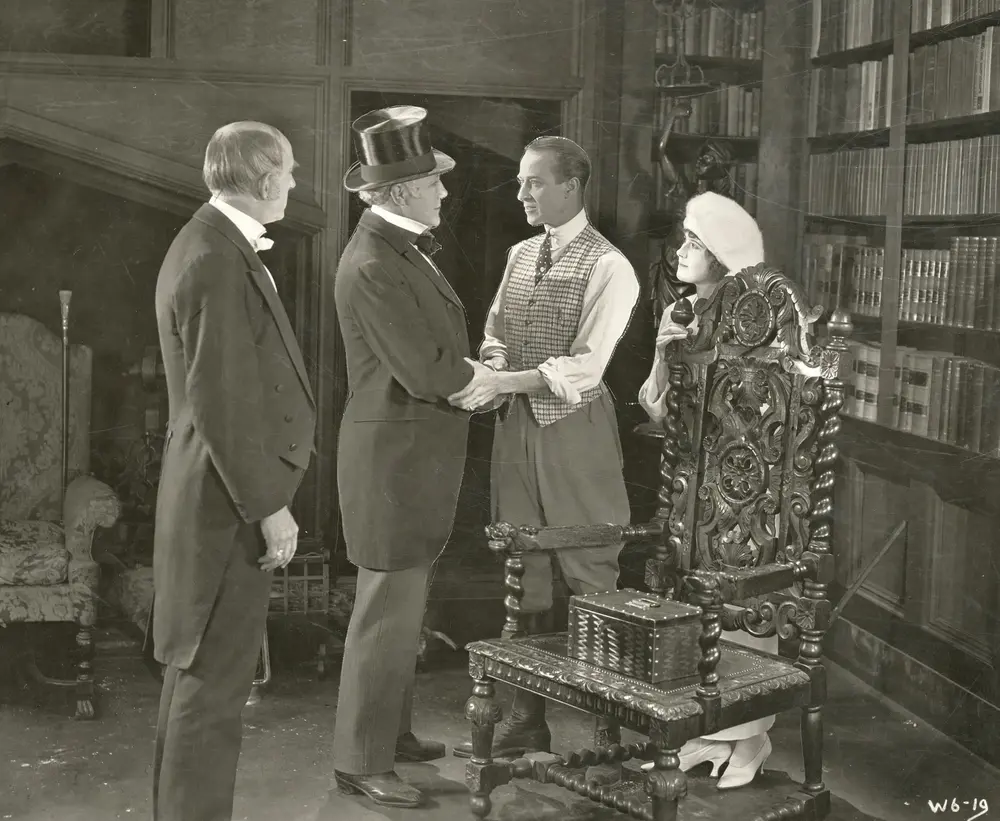
The visual language of Haunting Shadows is defined by its use of shadows and framing, a hallmark of Henry King's style. By utilizing a 1919-era palette, the film creates an immersive experience that perfectly complements its cult themes.
| Cinematography | High-Contrast |
| Soundtrack | Synth-Heavy |
| Editing | Disjunctive |
| Art Direction | Baroque |
Visualizing the convergence of Henry King's style and the core cult narrative.
Young John Glenarm's wealthy grandfather leaves him his estate, but the will stipulates that John live in the estate--rumored to be haunted--for one year or it will be forfeited to schoolteacher Marian Deveraux. John moves in and strange and unexplained events begin to occur. He really doesn't want to stay there anymore, but finds that he is falling in love with pretty young Marian, and decides to stick it out. However, there's more to his grandfather's will than John realizes, and it's not long before he finds out just what that is.
Decades after its release, Haunting Shadows remains a vital piece of the cinematic puzzle. Its influence can be seen in countless modern works, solidifying Henry King's status as a master of the craft in United States and beyond.