
DbcultAccessing Vault...
Director's Spotlight
Senior Film Conservator
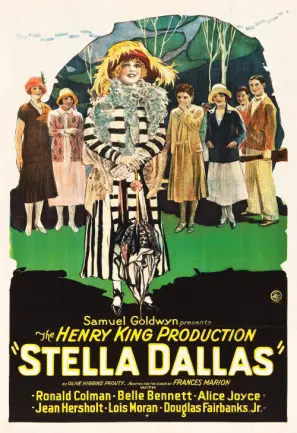
Director's Spotlight: United States
A Deep Dive into the 1925 Vision of Henry King
Few works in United States cinema carry the same weight as Stella Dallas, especially regarding the technical innovation that Henry King introduced to the Drama format. Subverting the expectations of the typical 1925 audience, it bridges the gap between traditional Drama and contemporary vision.
In Stella Dallas, Henry King pushes the boundaries of conventional narrative. The film's unique approach to its subject matter has sparked endless debates and interpretations among cinephiles and critics alike.
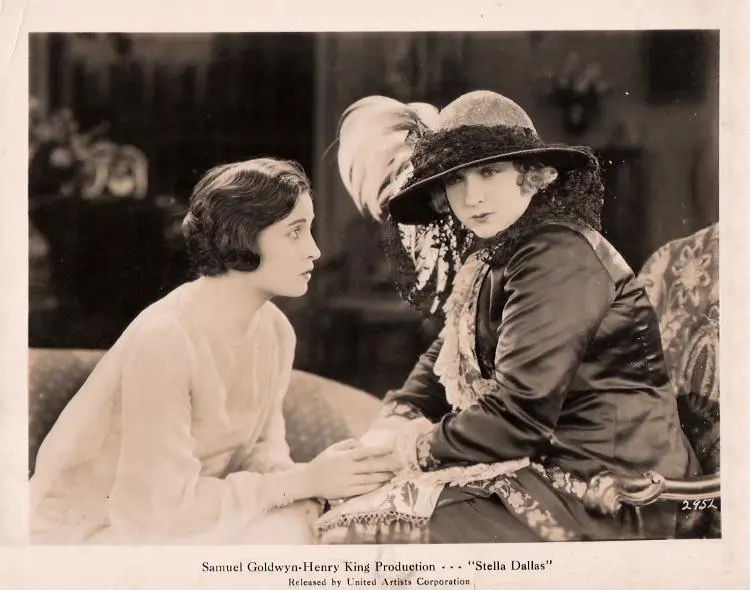
To fully appreciate Stella Dallas, one must consider the cinematic climate of 1925. During this period, United States was undergoing significant artistic shifts, and Henry King was at the forefront of this Drama movement, often challenging established norms.
| Cinematography | Static |
| Soundtrack | Experimental |
| Editing | Invisible |
| Art Direction | Kitsch |
Visualizing the convergence of Henry King's style and the core Drama narrative.
Small-town girl Stella marries socialite Stephen Dallas, a man with whom she has nothing in common. The whole thing is a failure; after the birth of their daughter Laurel, the Dallases separate and Stephen returns to New York. As Laurel grows into a young woman, Stella realizes that she cannot provide for her properly and sends her to live with Stephen and his new family. Laurel later marries a pleasant upper-class young man as Stella stands in the rain watching the ceremony through a window.
Decades after its release, Stella Dallas remains a vital piece of the cinematic puzzle. Its influence can be seen in countless modern works, solidifying Henry King's status as a master of the craft in United States and beyond.