
DbcultAccessing Vault...
Director's Spotlight
Senior Film Conservator
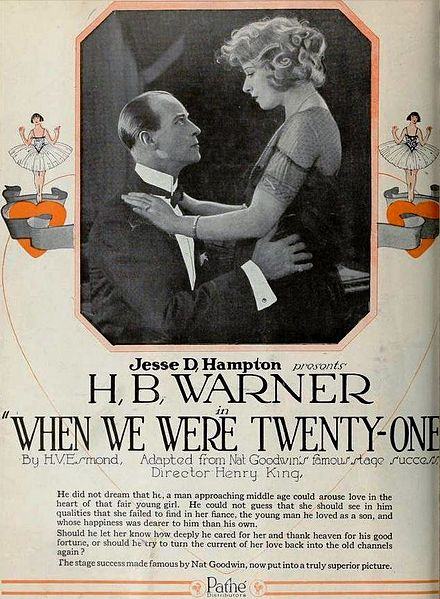
Director's Spotlight: United States
A Deep Dive into the 1921 Vision of Henry King
Peeling back the layers of Henry King's When We Were 21 exposes the technical innovation that Henry King introduced to the Drama format. Driven by an uncompromising commitment to Drama excellence, it stands as the definitive 1921 statement on Drama identity.
In When We Were 21, Henry King pushes the boundaries of conventional narrative. The film's unique approach to its subject matter has sparked endless debates and interpretations among cinephiles and critics alike.
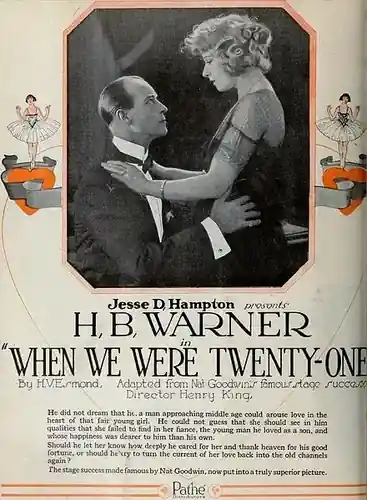
While deeply rooted in United States, When We Were 21 has achieved a global reach, influencing directors from various backgrounds. Its ability to translate Drama tropes into a universal cinematic language is why it remains a cult staple decades after its 1921 release.
| Cinematography | Static |
| Soundtrack | Orchestral |
| Editing | Slow-Burn |
| Art Direction | Brutalist |
Visualizing the convergence of Henry King's style and the core Drama narrative.
Dick Audaine, known affectionately as the "Imp," is engaged to Phyllis Ericson, even though she is in love with his guardian, Richard Carewe. Meanwhile, the Imp has fallen in love with Kara Glynesk, who is only interested in his money. Phyllis intercepts a love letter from Kara and erroneously believes it is intended for Richard. In an attempt to protect the Imp, Richard hides the truth from Phyllis. Richard and the "Trinity," three life-long friends and self-appointed co-guardians of the Imp, try in vain to stop his marriage to Kara. However, Kara quickly discovers that her husband is penniless and finds a new lover. The Imp realizes his folly, and Phyllis is now free to marry Richard.
Decades after its release, When We Were 21 remains a vital piece of the cinematic puzzle. Its influence can be seen in countless modern works, solidifying Henry King's status as a master of the craft in United States and beyond.