
DbcultAccessing Vault...
Director's Spotlight
Senior Film Conservator
Director's Spotlight: United States
A Deep Dive into the 1923 Vision of Henry Kolker
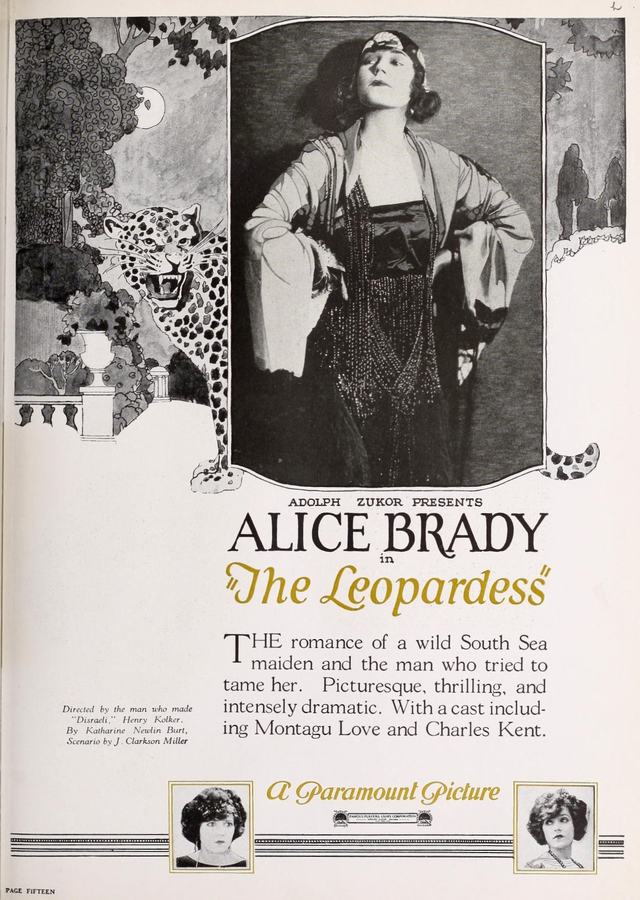
Few works in United States cinema carry the same weight as The Leopardess, especially regarding the technical innovation that Henry Kolker introduced to the Drama format. Subverting the expectations of the typical 1923 audience, it bridges the gap between traditional Drama and contemporary vision.
In The Leopardess, Henry Kolker pushes the boundaries of conventional narrative. The film's unique approach to its subject matter has sparked endless debates and interpretations among cinephiles and critics alike.
| Cinematography | Static |
| Soundtrack | Orchestral |
| Editing | Slow-Burn |
| Art Direction | Brutalist |
Visualizing the convergence of Henry Kolker's style and the core Drama narrative.
On a South Sea island, wealthy hunter Scott Quaigg meets Tiare, the daughter of a drunken Scotsman and a native woman, who happily give permission to marry her. While sailing to his home in New York, Quaigg treats Tiare roughly and throws Captain Croft overboard when he comes to her defense. Quaigg attempts to tame Tiare by exploiting her superstitions and threatening her with the same whip he uses on his pet leopard. Later, Tiare awaits her husband's return from a hunting trip with a gun and fires as a man enters, only to discover that it is Captain Croft, who was saved from drowning. Quaigg finds them together and releases the leopard. However, the beast kills its master before being shot by Croft. Afterward, Tiare and Croft return to the South Seas together.
Decades after its release, The Leopardess remains a vital piece of the cinematic puzzle. Its influence can be seen in countless modern works, solidifying Henry Kolker's status as a master of the craft in United States and beyond.