
DbcultAccessing Vault...
Director's Spotlight
Senior Film Conservator
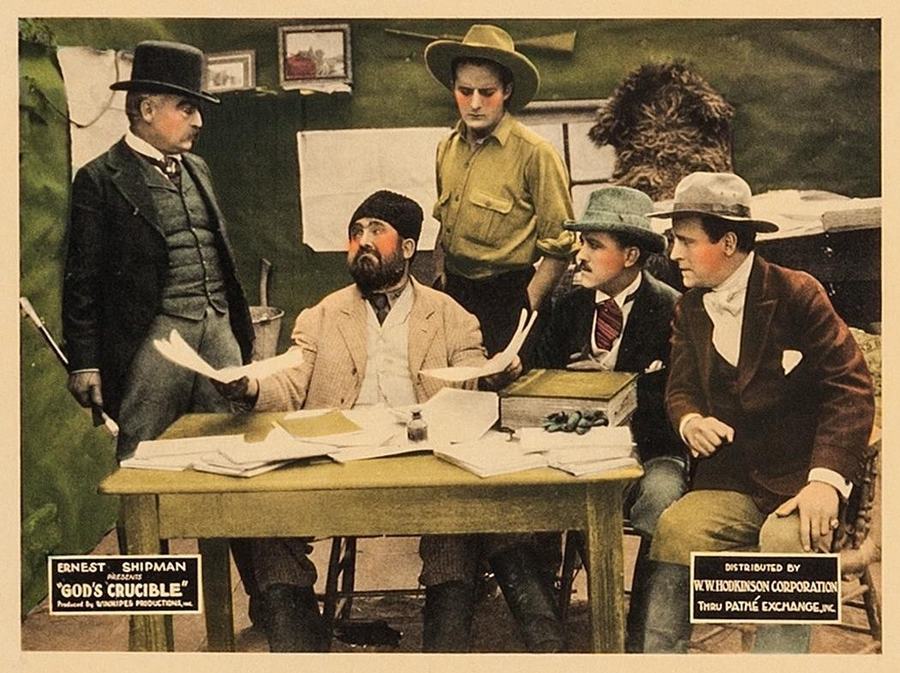
Director's Spotlight: Canada
A Deep Dive into the 1921 Vision of Henry MacRae
Peeling back the layers of Henry MacRae's God's Crucible exposes the technical innovation that Henry MacRae introduced to the Drama format. Driven by an uncompromising commitment to Drama excellence, it stands as the definitive 1921 statement on Drama identity.
In God's Crucible, Henry MacRae pushes the boundaries of conventional narrative. The film's unique approach to its subject matter has sparked endless debates and interpretations among cinephiles and critics alike.
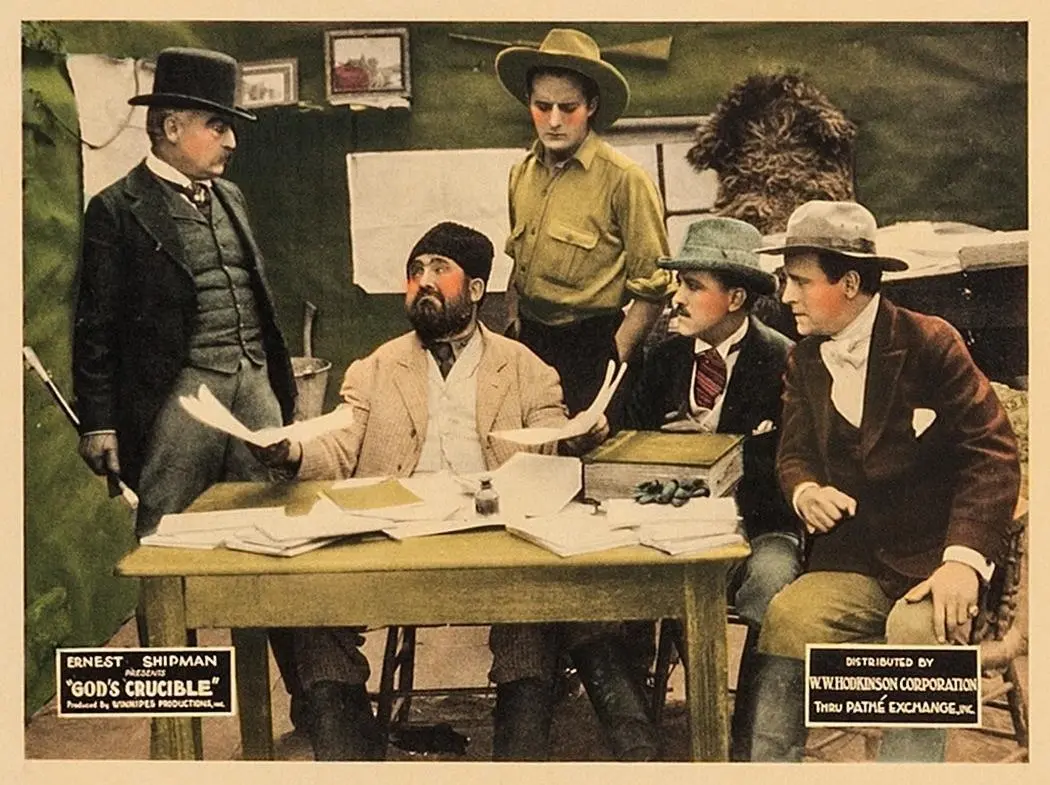
The visual language of God's Crucible is defined by its use of shadows and framing, a hallmark of Henry MacRae's style. By utilizing a 1921-era palette, the film creates an immersive experience that perfectly complements its Drama themes.
| Cinematography | Deep Focus |
| Soundtrack | Diegetic |
| Editing | Rhythmic |
| Art Direction | Naturalist |
Visualizing the convergence of Henry MacRae's style and the core Drama narrative.
While their father, Michael Kalmar, remains in a Siberian prison, political refugees Ivan and Irma Kalmar seek freedom in Winnipeg, Canada. However, they continue to encounter persecution at the hands of prejudiced neighbors, and from their father's enemy, Makaroff. Ivan's violin playing attracts the interest of Marjorie Menzies, but also the enmity of District Attorney Mortimer Staunton, a rival for her affection. During a party at Makaroff's home, Irma is insulted, and when her abuser is slain, Ivan is arrested. Michael, who has arrived in Winnipeg after escaping from prison, confesses to the murder. Ivan becomes a foreman in a coal mine, which Makaroff hopes to acquire illegally. After his plan fails, Makaroff attempts to blow up the mine along with its employees, but kills himself instead. Michael is freed by a family servant who admits to the murder, and Ivan becomes engaged to Marjorie.
Decades after its release, God's Crucible remains a vital piece of the cinematic puzzle. Its influence can be seen in countless modern works, solidifying Henry MacRae's status as a master of the craft in Canada and beyond.