
DbcultAccessing Vault...
Director's Spotlight
Senior Film Conservator
Director's Spotlight: Canada
A Deep Dive into the 1923 Vision of Henry MacRae
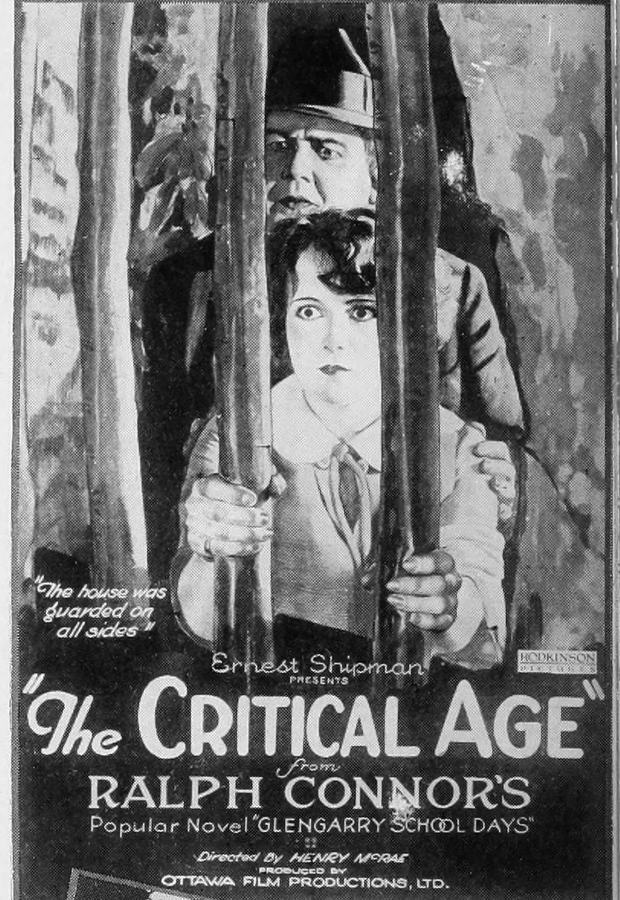
To understand the modern evolution of Canada film, one must first look at The Critical Age and the collaborative alchemy between Henry MacRae and the 1923 creative team. Subverting the expectations of the typical 1923 audience, it remains a vital reference point for anyone studying the evolution of Henry MacRae.
In The Critical Age, Henry MacRae pushes the boundaries of conventional narrative. The film's unique approach to its subject matter has sparked endless debates and interpretations among cinephiles and critics alike.
The visual language of The Critical Age is defined by its use of shadows and framing, a hallmark of Henry MacRae's style. By utilizing a 1923-era palette, the film creates an immersive experience that perfectly complements its Drama themes.
| Cinematography | Static |
| Soundtrack | Synth-Heavy |
| Editing | Disjunctive |
| Art Direction | Baroque |
Visualizing the convergence of Henry MacRae's style and the core Drama narrative.
Tom Findlay and Bob Kerr are both in love with Margaret Baird. She favors Tom but Bob's social position and initiative almost exclude Tom. Bob's father is trying to pass a bill in the legislature that is detrimental to the farmers' interests, and Margaret's father, also a political power, opposes it. Bob's father frames Mr. Baird so that his necessary vote will be lost, but Tom and Margaret save the day. Tom of course earns first place in Margaret's affections.
Decades after its release, The Critical Age remains a vital piece of the cinematic puzzle. Its influence can be seen in countless modern works, solidifying Henry MacRae's status as a master of the craft in Canada and beyond.