
DbcultAccessing Vault...
Director's Spotlight
Senior Film Conservator
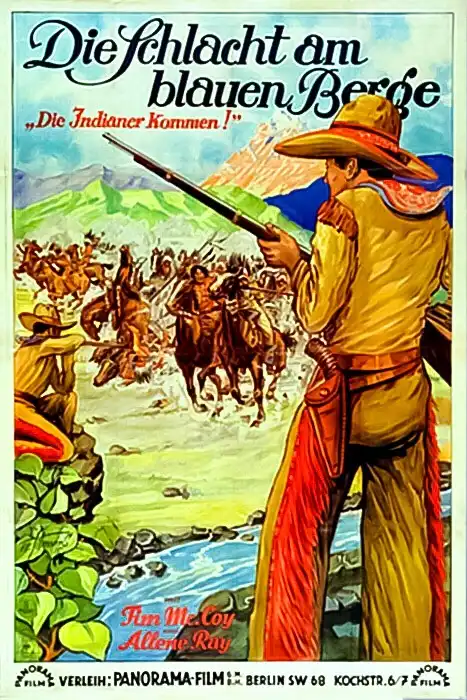
Director's Spotlight: United States
A Deep Dive into the 1930 Vision of Henry MacRae
The brilliance of The Indians Are Coming (1930) is inseparable from the visionary mind of its creator, Henry MacRae. Serving as a mirror to the anxieties of a changing world, it persists as a haunting reminder of our own cinematic history.
In The Indians Are Coming, Henry MacRae pushes the boundaries of conventional narrative. The film's unique approach to its subject matter has sparked endless debates and interpretations among cinephiles and critics alike.
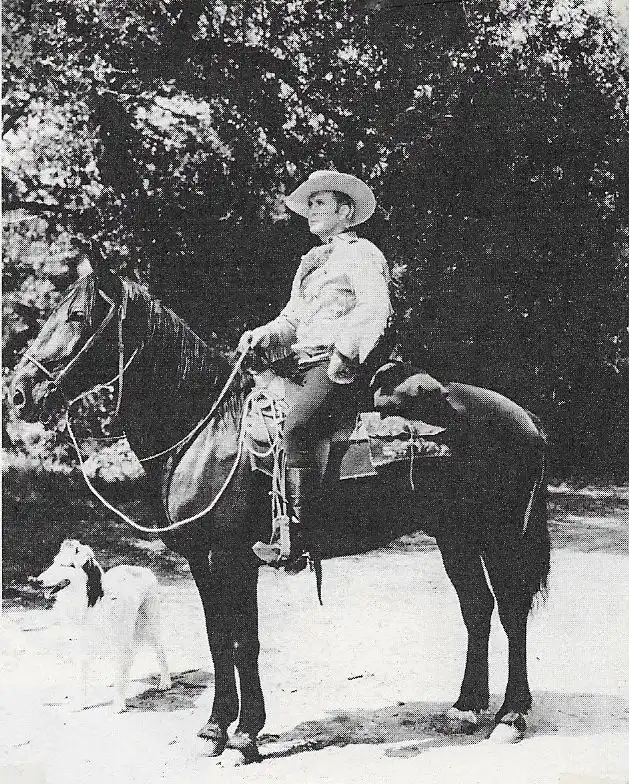
The visual language of The Indians Are Coming is defined by its use of shadows and framing, a hallmark of Henry MacRae's style. By utilizing a 1930-era palette, the film creates an immersive experience that perfectly complements its Drama themes.
| Cinematography | Static |
| Soundtrack | Orchestral |
| Editing | Invisible |
| Art Direction | Kitsch |
Visualizing the convergence of Henry MacRae's style and the core Drama narrative.
Jack Manning (Tim McCoy) arrives in a midwestern town from Gold Creek in Califonia. He brings a message from Goerge Woods (Francis Ford) to his brother Tom Woods (Francis Ford), in a dual role, and niece Mary (Allene Ray, informing them he has struck gold and asking them to join him in California via a wagon train. Jack and Mary fall in love to the great displeasure of Rance Carter (Wilbur McGaugh) who has a yen for Mary himself. Jack and Mary not only have to be wary of Carter's crooked ways and machinations, but also of Indian uprisings, caused by Carter.
Decades after its release, The Indians Are Coming remains a vital piece of the cinematic puzzle. Its influence can be seen in countless modern works, solidifying Henry MacRae's status as a master of the craft in United States and beyond.