
DbcultAccessing Vault...
Director's Spotlight
Senior Film Conservator
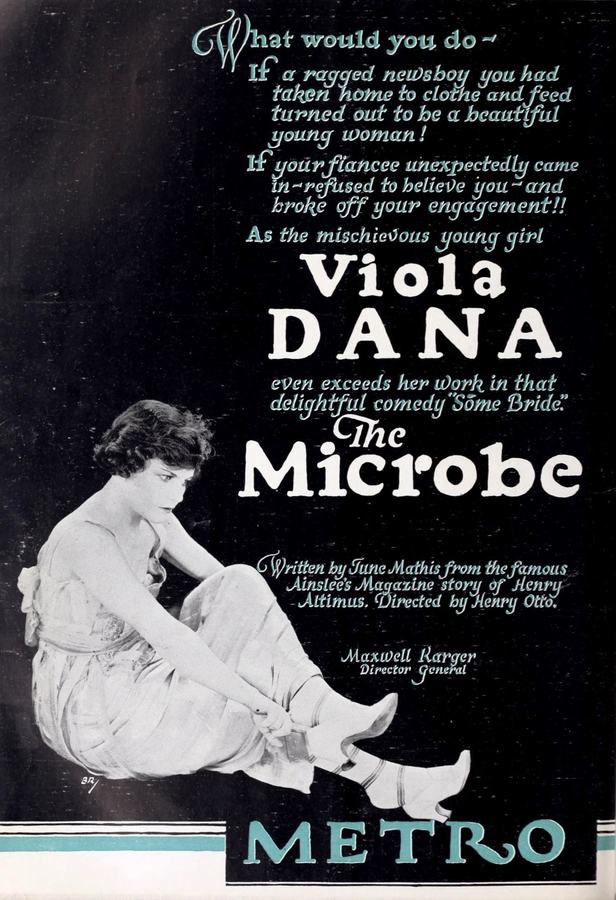
Director's Spotlight: United States
A Deep Dive into the 1919 Vision of Henry Otto
Analyzing The Microbe (1919) requires a deep dive into the unique directorial voice that Henry Otto brought to the screen. By challenging the status quo of 1919 cinema, it continues to spark endless debates among critics and cinephiles alike.
In The Microbe, Henry Otto pushes the boundaries of conventional narrative. The film's unique approach to its subject matter has sparked endless debates and interpretations among cinephiles and critics alike.
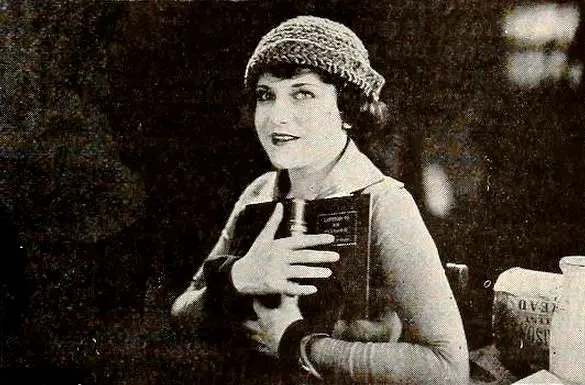
To fully appreciate The Microbe, one must consider the cinematic climate of 1919. During this period, United States was undergoing significant artistic shifts, and Henry Otto was at the forefront of this cult movement, often challenging established norms.
| Cinematography | Static |
| Soundtrack | Minimalist |
| Editing | Slow-Burn |
| Art Direction | Brutalist |
Visualizing the convergence of Henry Otto's style and the core cult narrative.
Happy O'Brien, called "The Microbe," or "Mike" for short, a female street urchin who sells newspapers dressed as a boy to avoid harassment, is saved from arrest for fighting other newsboys in Chinatown by wealthy author DeWitt Spense. DeWitt, there to purchase drugs, is so moved by Mike's pugnacity, that he takes her to his mansion for literary inspiration. When DeWitt learns that Mike is a girl, he resolves to educate her. As Mike blossoms, DeWitt's attentions turn to love, to the dismay of Judith Winthrope, who wants to marry him, and his friend Robert Breton, who, with Judith, convinces Mike that DeWitt's writing is suffering because of her. After Mike leaves and gets a job making artificial flowers, she writes DeWitt daily letters, signing them "Bianca," which inspire him to write a best selling novel of replies. Although DeWitt nearly marries Judith when she claims authorship of the letters, he weds Mike when he learns that she penned them.
Decades after its release, The Microbe remains a vital piece of the cinematic puzzle. Its influence can be seen in countless modern works, solidifying Henry Otto's status as a master of the craft in United States and beyond.