
DbcultAccessing Vault...
Director's Spotlight
Senior Film Conservator
Director's Spotlight: France
A Deep Dive into the 1923 Vision of Henry Roussel
Analyzing Flanders under Philip II (1923) requires a deep dive into the unique directorial voice that Henry Roussel brought to the screen. By challenging the status quo of 1923 cinema, it continues to spark endless debates among critics and cinephiles alike.
In Flanders under Philip II, Henry Roussel pushes the boundaries of conventional narrative. The film's unique approach to its subject matter has sparked endless debates and interpretations among cinephiles and critics alike.

The visual language of Flanders under Philip II is defined by its use of shadows and framing, a hallmark of Henry Roussel's style. By utilizing a 1923-era palette, the film creates an immersive experience that perfectly complements its cult themes.
| Cinematography | Static |
| Soundtrack | Synth-Heavy |
| Editing | Disjunctive |
| Art Direction | Baroque |
Visualizing the convergence of Henry Roussel's style and the core cult narrative.
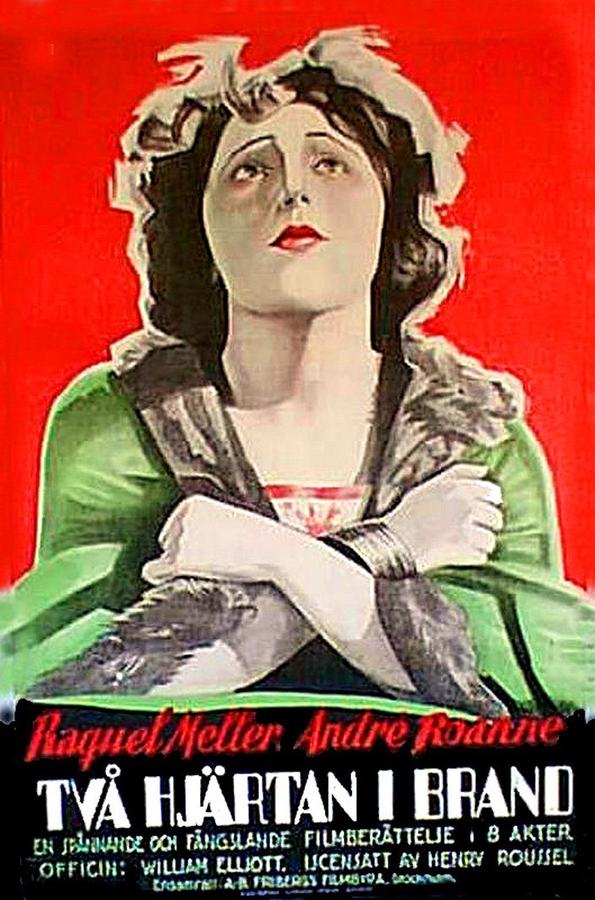
Concepcion de la Playa Setta, an Andalusian noblewoman, the daughter of the provost marshall of Flanders, is in love with the Duke Philippe de Hornes. He is a Brussels gentleman in revolt against her people, the Spanish occupiers. When her rebellious lover is hurt during an uprising against the troops of Philip II, Concepcion takes him in in her house. And she personally defends him when, at his trial. Condemned to be hanged through the intervention of the Duke of Alba, de Hornes is eventually reprieved by the new governor and set free. The two lovers meet again and can live happily from now on.
Decades after its release, Flanders under Philip II remains a vital piece of the cinematic puzzle. Its influence can be seen in countless modern works, solidifying Henry Roussel's status as a master of the craft in France and beyond.