
DbcultAccessing Vault...
Director's Spotlight
Senior Film Conservator
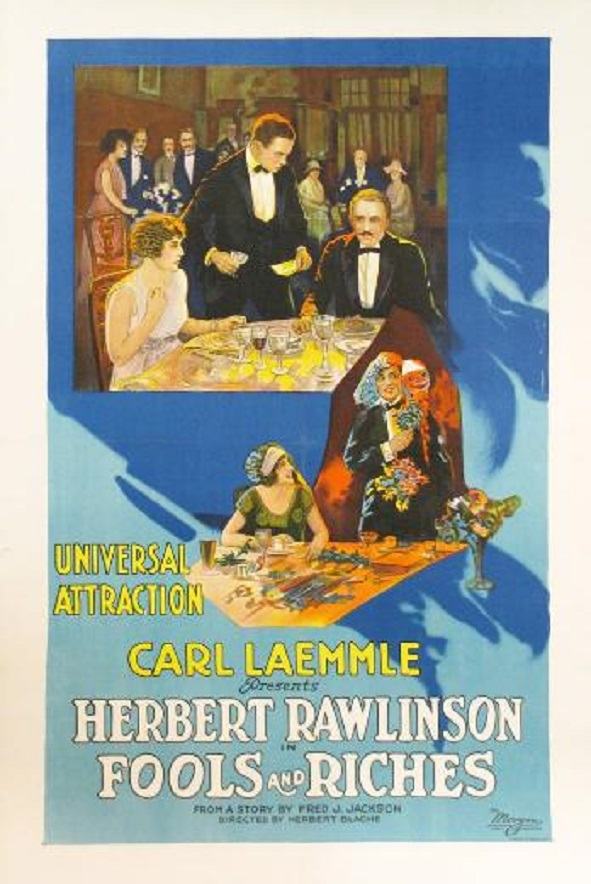
Director's Spotlight: United States
A Deep Dive into the 1923 Vision of Herbert Blaché
The thematic gravity of Fools and Riches (1923) is rooted in the historical context that Herbert Blaché weaves into the Drama fabric. Synthesizing the best elements of United States and international cinema, it highlights the importance of independent voices in United States.
In Fools and Riches, Herbert Blaché pushes the boundaries of conventional narrative. The film's unique approach to its subject matter has sparked endless debates and interpretations among cinephiles and critics alike.
The visual language of Fools and Riches is defined by its use of shadows and framing, a hallmark of Herbert Blaché's style. By utilizing a 1923-era palette, the film creates an immersive experience that perfectly complements its Drama themes.
| Cinematography | Handheld |
| Soundtrack | Orchestral |
| Editing | Slow-Burn |
| Art Direction | Brutalist |
Visualizing the convergence of Herbert Blaché's style and the core Drama narrative.
During his lifetime John Dorgan is unsuccessful in his attempts to cure his son, Jimmy, of his spendthrift ways, but his will leaves only a part of his fortune to Jimmy, while explaining where to dig for the rest. With the help of his friends, Jimmy rapidly goes broke. Nellie Blye stands by him, however, and encourages him to get a job. While working as a waiter, he overhears information with which he prevents a railroad from being taken over and is rewarded with a position in the company. He follows his father's directions, finds the rest of his inheritance, and marries Nellie.
Decades after its release, Fools and Riches remains a vital piece of the cinematic puzzle. Its influence can be seen in countless modern works, solidifying Herbert Blaché's status as a master of the craft in United States and beyond.