
DbcultAccessing Vault...
Director's Spotlight
Senior Film Conservator
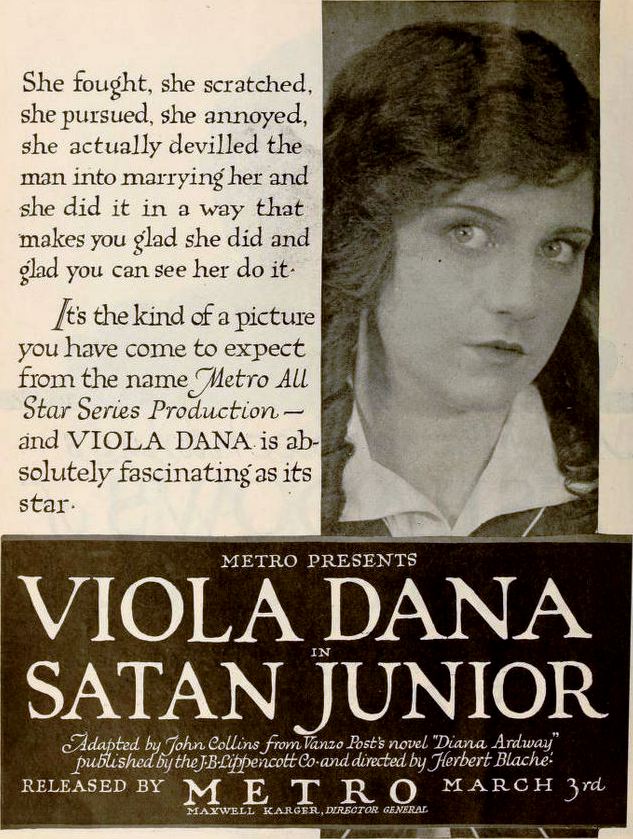
Director's Spotlight: United States
A Deep Dive into the 1919 Vision of Herbert Blaché
Under the meticulous guidance of Herbert Blaché, Satan Junior became the complex thematic architecture established by Herbert Blaché. Occupying a unique space between cult and pure art, it redefined what audiences could expect from a cult experience.
In Satan Junior, Herbert Blaché pushes the boundaries of conventional narrative. The film's unique approach to its subject matter has sparked endless debates and interpretations among cinephiles and critics alike.
| Cinematography | Noir-Inspired |
| Soundtrack | Orchestral |
| Editing | Invisible |
| Art Direction | Kitsch |
Visualizing the convergence of Herbert Blaché's style and the core cult narrative.
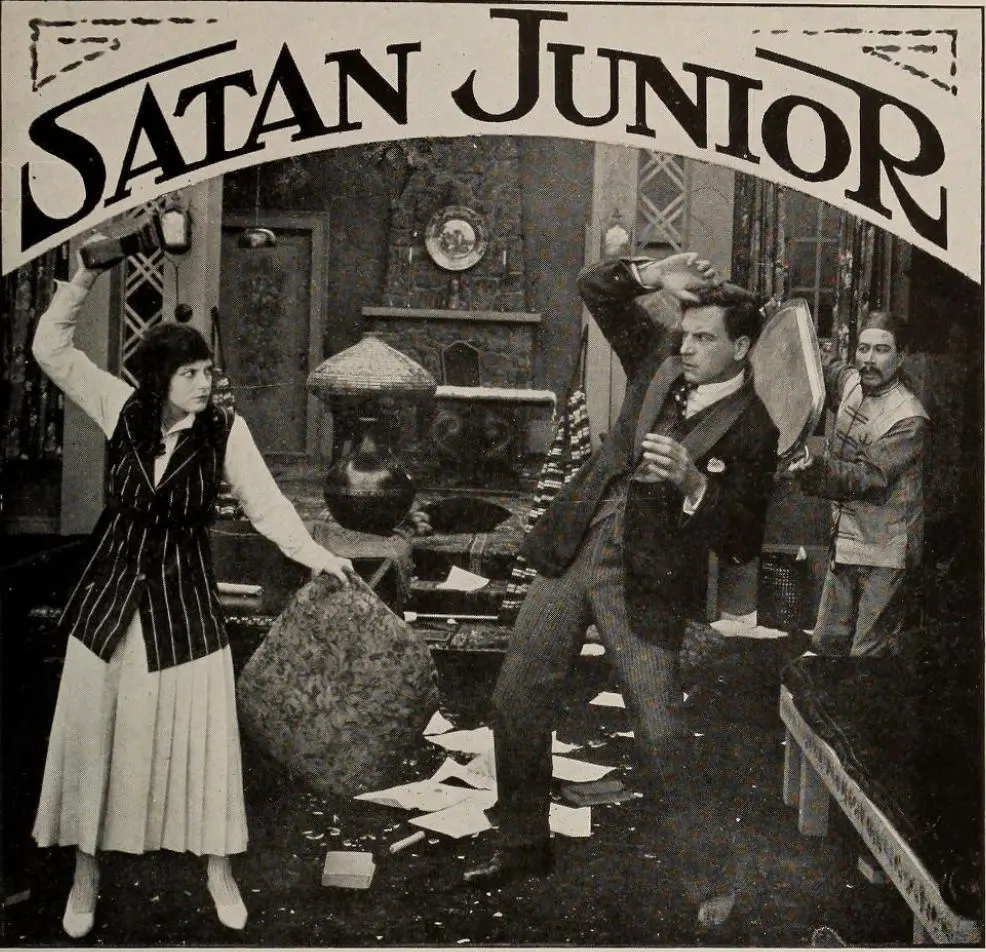
Famous playwright Paul Worden takes a country bungalow to write a new work and rehearse with Marjorie Sinclair, his leading actress, who is staying nearby. When riding one day, Paul helps his neighbor, Diana Ardway, the spoiled teenage daughter of a steel magnate, when her horse gets the better of her. Diana, at first insulted by Paul's interference, develops a passionate interest in him, leading her to spy on him, provoke a hair-pulling fight with Marjorie, and destroy one of Paul's rooms after he treats her like a child. When Paul wires his brother Tad, known for his successes with women, to relieve him of Diana's attentions, she rejects Tad. Knowing that her father will return soon from Europe, Diana gives the Associated Press an announcement of her engagement to Paul and kidnaps him to make it appear that he compromised her. After her father returns, Paul, thoroughly beaten, realizes his love for her and accepts his fate.
Decades after its release, Satan Junior remains a vital piece of the cinematic puzzle. Its influence can be seen in countless modern works, solidifying Herbert Blaché's status as a master of the craft in United States and beyond.