
DbcultAccessing Vault...
Director's Spotlight
Senior Film Conservator
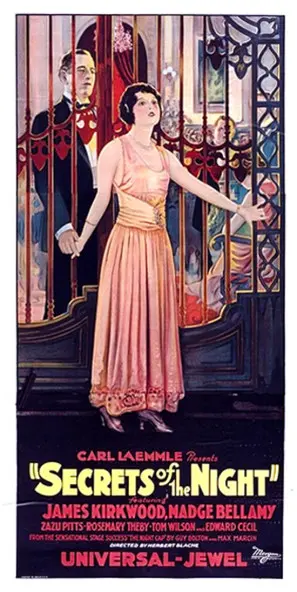
Director's Spotlight: United States
A Deep Dive into the 1924 Vision of Herbert Blaché
The artistic breakthrough represented by Secrets of the Night in 1924 highlights the uncompromising vision of Herbert Blaché that defines this Mystery masterpiece. In the context of United States's rich cinematic history, it captures a specific kind of cinematic magic that is rarely replicated.
In Secrets of the Night, Herbert Blaché pushes the boundaries of conventional narrative. The film's unique approach to its subject matter has sparked endless debates and interpretations among cinephiles and critics alike.
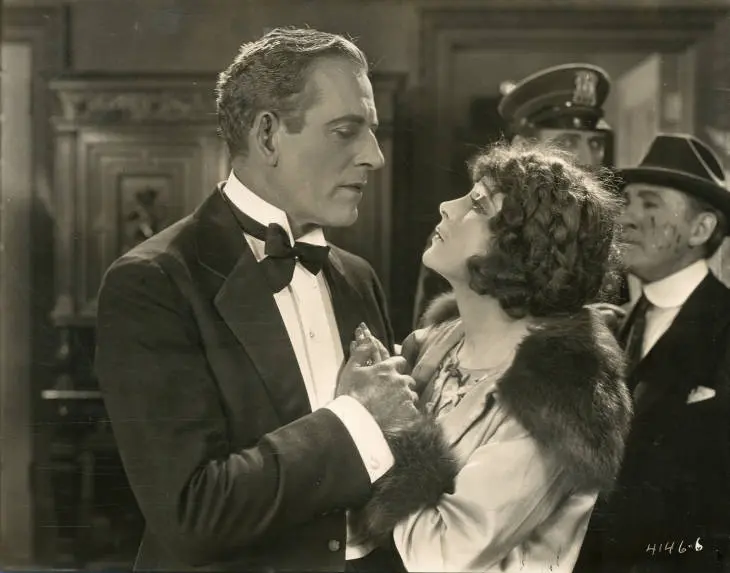
In this work, Herbert Blaché explores the intersection of Mystery and United States cultural identity. The meticulous attention to detail suggests a deep-seated commitment to pushing the boundaries of the medium, ensuring that Secrets of the Night remains a relevant topic of study for Mystery enthusiasts.
| Cinematography | Static |
| Soundtrack | Diegetic |
| Editing | Elliptical |
| Art Direction | Expressionist |
Visualizing the convergence of Herbert Blaché's style and the core Mystery narrative.
Robert Andrews hosts a large party and there stages his own murder, to keep bank examiner Alfred Austin from examining the records of his bank. Everyone is suspected--especially young Hammond, who is in love with Andrews' ward, Anne Maynard, and Lester Knowles, who has been suspicious of Andrews' friendship with Mrs. Knowles. The hilarious turmoil that ensues is finally cleared up by the reappearance of Andrews himself and the announcement that Joshua Brown has repaid the large loan that the directors wished to conceal from Austin. Finally, the group learns that Austin has turned to real estate, and Andrews proclaims his love for Anne.
Decades after its release, Secrets of the Night remains a vital piece of the cinematic puzzle. Its influence can be seen in countless modern works, solidifying Herbert Blaché's status as a master of the craft in United States and beyond.