
DbcultAccessing Vault...
Director's Spotlight
Senior Film Conservator
Director's Spotlight: United States
A Deep Dive into the 1914 Vision of Herbert Blaché
The brilliance of The Chimes (1914) is inseparable from the visionary mind of its creator, Herbert Blaché. Serving as a mirror to the anxieties of a changing world, it persists as a haunting reminder of our own cinematic history.
In The Chimes, Herbert Blaché pushes the boundaries of conventional narrative. The film's unique approach to its subject matter has sparked endless debates and interpretations among cinephiles and critics alike.
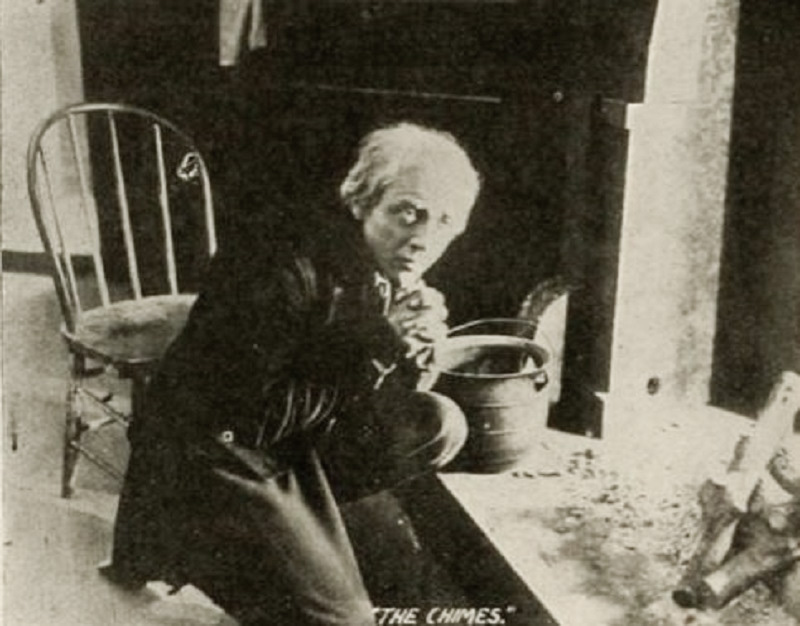
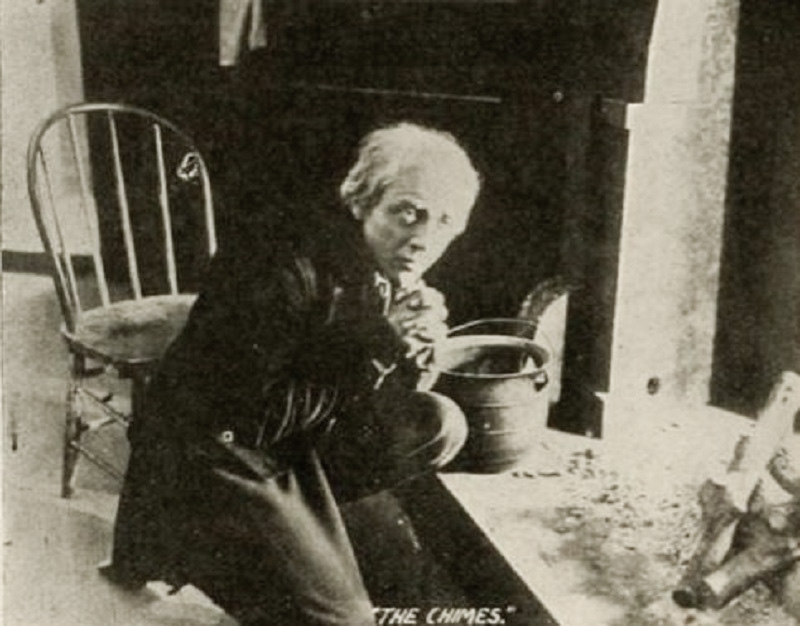
The visual language of The Chimes is defined by its use of shadows and framing, a hallmark of Herbert Blaché's style. By utilizing a 1914-era palette, the film creates an immersive experience that perfectly complements its cult themes.
| Cinematography | Handheld |
| Soundtrack | Synth-Heavy |
| Editing | Disjunctive |
| Art Direction | Baroque |
Visualizing the convergence of Herbert Blaché's style and the core cult narrative.
Trotty Veck, the licensed messenger, reconsiders his promise to allow the marriage of his daughter Meg to Richard, after being advised by Alderman Cute that it is a sin for the poor to wed. After his day's labors, he meets William Fern with his infant daughter Lillian seeking shelter from the authorities, who have threatened to hang him. The kind-hearted little man takes them to his humble home for the night. Far after midnight, Trotty, seated by the fireside and soothed by the chimes, falls asleep and dreams. His dream first takes him to the belfry of the old church, where the spirit of the chimes chides him for having done something he should not, and endeavors to show that the consequences might be, by picturing the future. In this vision, Trotty sees his daughter Meg living in poverty and acting as mother to Fern's daughter Lil, now grown to girlhood, Fern, in prison for his demonstration against the rich, and Richard, a drunkard from disappointment. Sir Joseph Bowley visits the little home and offers to adopt Lil, but instead mistreats her so that she is compelled to escape, but finally, upon promise from Sir Joseph to free her father, gives herself up to him, only to be ejected in time from his fine home with an unfortunate infant. She goes back to Meg and dies from the effect of her ill-treatment, leaving the infant to Meg, who in turn is compelled to leave her home due to her poverty. Going to the bridge, Meg attempts to end all for herself and infant. At this point Trotty's dreams come to an end. He now realizes that the poor as well as the rich have a right to marry, and hastens to correct his error. This done, he goes to check Fern, leading one of his meetings. Knowing the influence little Lil has on her father takes her and induces Fern to give up his plans. Trotty and Richard are taken prisoners by Sir Joseph's servants and brought before this despot, who instead of compelling Trotty to submit to his terms, is himself forced to sign a document giving the poor their rights.
Decades after its release, The Chimes remains a vital piece of the cinematic puzzle. Its influence can be seen in countless modern works, solidifying Herbert Blaché's status as a master of the craft in United States and beyond.