
DbcultAccessing Vault...
Director's Spotlight
Senior Film Conservator
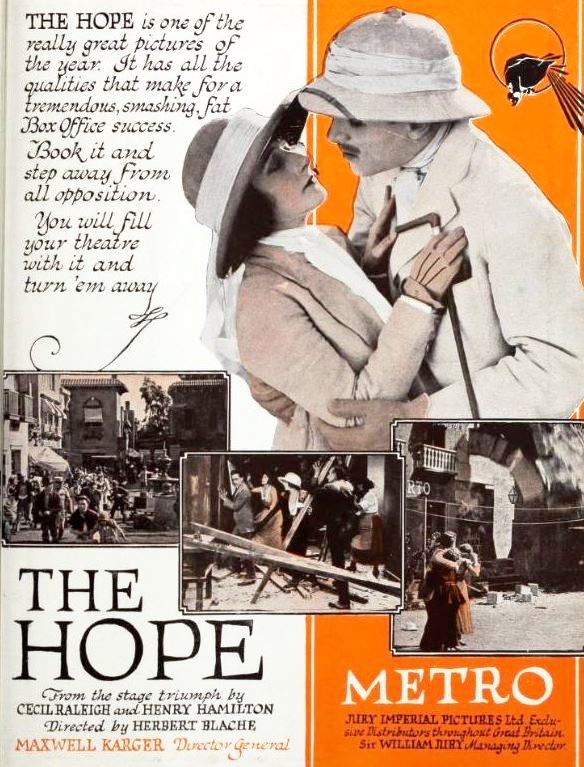
Director's Spotlight: United States
A Deep Dive into the 1920 Vision of Herbert Blaché
The thematic gravity of The Hope (1920) is rooted in the artistic risks taken by Herbert Blaché that eventually paid off. Defining a new era of United States artistic expression, it demands to be seen by anyone who cares about the art of film.
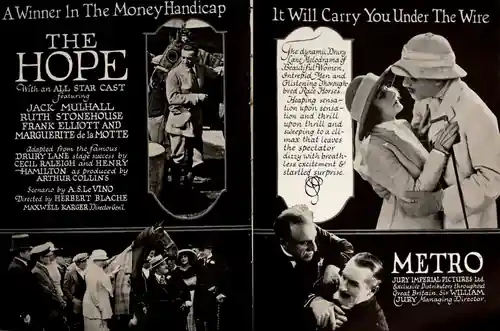
In The Hope, Herbert Blaché pushes the boundaries of conventional narrative. The film's unique approach to its subject matter has sparked endless debates and interpretations among cinephiles and critics alike.
| Cinematography | Noir-Inspired |
| Soundtrack | Orchestral |
| Editing | Slow-Burn |
| Art Direction | Brutalist |
Visualizing the convergence of Herbert Blaché's style and the core Drama narrative.
Michael Dudley, an English moneylender known as Michael Waltburn, is anxious that his daughter Olive be received in society and so arranges with one of his clients, the Duchess of Remington, to sponsor the girl in return for canceling her debt. Olive meets Captain Hector Grant, who is in love with Lady Brenda Carylon but nevertheless courts the moneylender's daughter for her money. Upon inheriting his baronetcy, Grant jilts Olive and then convinces Lady Brenda that her fiancé, the Earl of Ingestre, is Olive's betrayer. Olive, now pregnant, runs away to Italy, sending a letter to her father begging for his forgiveness. Lady Brenda, the earl, Waltburn and Grant rush to Olive in order to clarify the situation, arriving in the midst of an earthquake in which Grant is killed. After Olive absolves the earl of guilt, Lady Brenda forgives him, and Olive returns home with her father.
Decades after its release, The Hope remains a vital piece of the cinematic puzzle. Its influence can be seen in countless modern works, solidifying Herbert Blaché's status as a master of the craft in United States and beyond.