
DbcultAccessing Vault...
Director's Spotlight
Senior Film Conservator
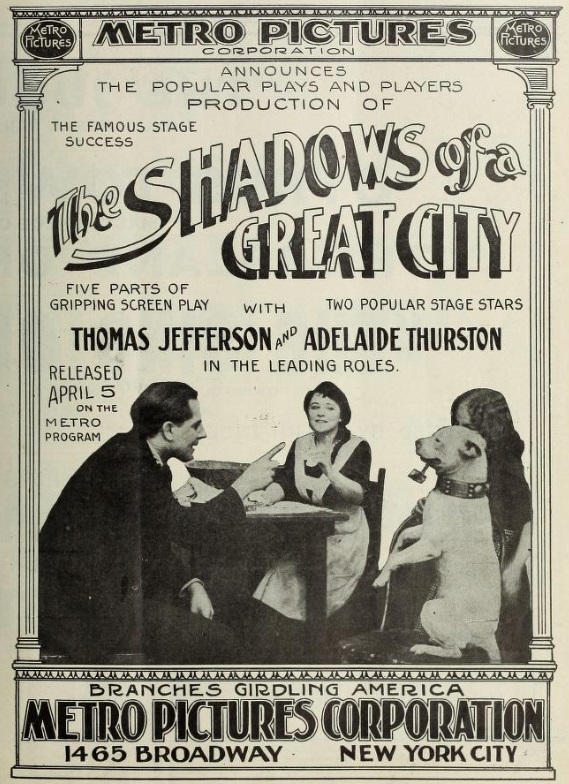
Director's Spotlight: United States
A Deep Dive into the 1915 Vision of Herbert Blaché
As we revisit the 1915 masterpiece The Shadows of a Great City, we are struck by the meticulous attention to detail that Herbert Blaché applied to every frame. Anchored by a narrative that is both personal and universal, it bridges the gap between traditional cult and contemporary vision.
In The Shadows of a Great City, Herbert Blaché pushes the boundaries of conventional narrative. The film's unique approach to its subject matter has sparked endless debates and interpretations among cinephiles and critics alike.
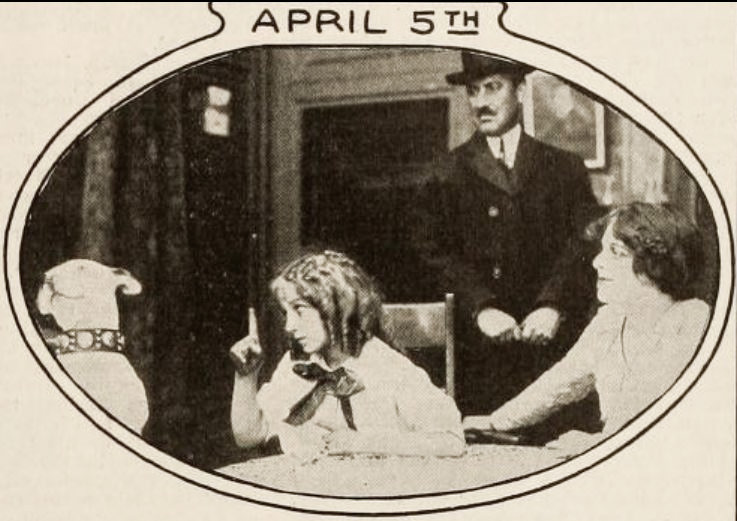
The visual language of The Shadows of a Great City is defined by its use of shadows and framing, a hallmark of Herbert Blaché's style. By utilizing a 1915-era palette, the film creates an immersive experience that perfectly complements its cult themes.
| Cinematography | Handheld |
| Soundtrack | Orchestral |
| Editing | Invisible |
| Art Direction | Kitsch |
Visualizing the convergence of Herbert Blaché's style and the core cult narrative.
A young profligate son of a wealthy merchant falls in love with the daughter of an inventor, who has devoted the best years of his life to perfecting the machinery of his employer's plants. After an accident has caused the death of the inventor, the merchant, none too scrupulous, lays claim to an unpatented invention. Not aware of his father's acts, the merchant's son is courting the inventor's daughter, but parental opposition is interposed. Offering his son a half interest in his business if he will renounce his love for the girl, the father is dumbfounded when his son refuses and decides he wants the girl more than the money. Ordered from home, the son secures a job as stevedore on the docks. The foreman takes a dislike to the boy and tries to browbeat him. After a quarrel, the boy accidentally pushes the foreman into the river, runs away and tells his sweetheart that he has committed murder. Detectives pursuing him, arrest and bring him to headquarters, where he is sentenced to Blackwell's Island. During his sojourn on Blackwell's Island, he learns that the man he is supposed to have murdered is alive, and, enraged at the injustice of his sentence, he breaks jail. In the meantime his young sweetheart has also discovered his innocence through a friendly attaché of the Governor's office, and with his assistance dashes to Albany, where the Governor is persuaded to issue a pardon for her young hero. The next and last scene discloses the happy couple in their own little home.
Decades after its release, The Shadows of a Great City remains a vital piece of the cinematic puzzle. Its influence can be seen in countless modern works, solidifying Herbert Blaché's status as a master of the craft in United States and beyond.