
DbcultAccessing Vault...
Director's Spotlight
Senior Film Conservator
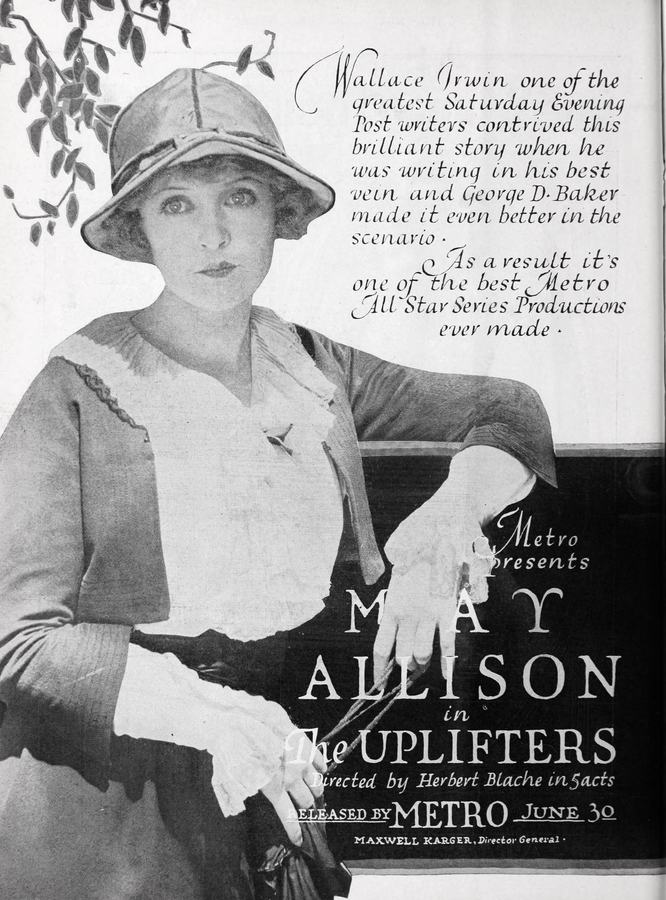
Director's Spotlight: United States
A Deep Dive into the 1919 Vision of Herbert Blaché
The evocative power of The Uplifters stems from the unique collaboration between the bold experimentation that has become synonymous with Herbert Blaché. Framed by the hauntingly beautiful landscapes of the production, it echoes the profound changes occurring in United States during that era.
In The Uplifters, Herbert Blaché pushes the boundaries of conventional narrative. The film's unique approach to its subject matter has sparked endless debates and interpretations among cinephiles and critics alike.
In this work, Herbert Blaché explores the intersection of cult and United States cultural identity. The meticulous attention to detail suggests a deep-seated commitment to pushing the boundaries of the medium, ensuring that The Uplifters remains a relevant topic of study for cult enthusiasts.
| Cinematography | Deep Focus |
| Soundtrack | Synth-Heavy |
| Editing | Rhythmic |
| Art Direction | Naturalist |
Visualizing the convergence of Herbert Blaché's style and the core cult narrative.
After attending a lecture by Harriet Peebles Cull, Hortense Troutt, a stenographer to wealthy clothes manufacturer Saul Shilpick, Sr., becomes convinced that she is one of the thousands of downtrodden slaves to labor. Saul Shilpick, Jr. is in love with Hortense, but she ignores him. Hortense suddenly quits her job and joins Comrade Harriet's "uplifters." Harriet shares her home with Hortense, who is so infatuated with her new mission that she does not realize she has become an even more downtrodden laborer as a general servant to Harriet. Hortense believes she is in love with Larry Holden, a free-loader reformer who is actually already married and practices free love. Shilpick, Jr. disguises himself as a "convert," rescues Hortense from the uplifters, and wins her love.
Decades after its release, The Uplifters remains a vital piece of the cinematic puzzle. Its influence can be seen in countless modern works, solidifying Herbert Blaché's status as a master of the craft in United States and beyond.