
DbcultAccessing Vault...
Director's Spotlight
Senior Film Conservator
Director's Spotlight: United States
A Deep Dive into the 1923 Vision of Herbert Brenon
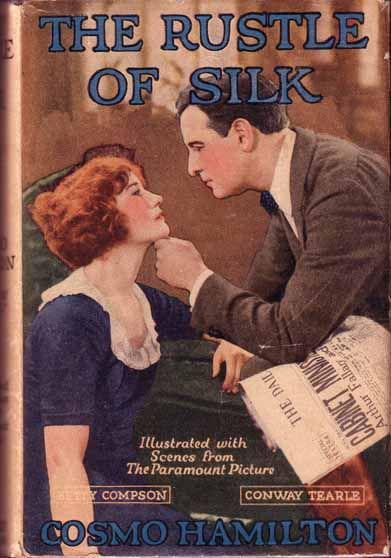
The 1923 release of The Rustle of Silk marked a significant moment for the stylistic boundaries pushed by Herbert Brenon during the production. In the context of United States's rich cinematic history, it invites us to question our own perceptions of Romance narratives.
In The Rustle of Silk, Herbert Brenon pushes the boundaries of conventional narrative. The film's unique approach to its subject matter has sparked endless debates and interpretations among cinephiles and critics alike.
| Cinematography | Noir-Inspired |
| Soundtrack | Synth-Heavy |
| Editing | Disjunctive |
| Art Direction | Baroque |
Visualizing the convergence of Herbert Brenon's style and the core Romance narrative.
Lola De Breeze, long-time admirer of British M.P. Arthur Fallaray, takes a position as maid to Arthur's wife Lady Feo, who prefers a frolicsome life with newspaper owner Paul Chalfon to her husband's political ambition. When word comes that Fallaray has been injured in a hunting accident, Lola goes to his side and Lady Feo discovers love letters written--but never mailed--from Lola to Fallaray. On the pretense of forcing Fallaray to allow Feo to divorce him, Chalfon obtains the letters from Lady Feo and publishes them. Feo burns the original letters in anger, while Lola confesses her love to Fallaray and persuades him to continue in politics rather than ruin his career by marrying her. Fallaray becomes prime minister; Lola returns to her father and trusts to the future for her happiness.
Decades after its release, The Rustle of Silk remains a vital piece of the cinematic puzzle. Its influence can be seen in countless modern works, solidifying Herbert Brenon's status as a master of the craft in United States and beyond.