
DbcultAccessing Vault...
Director's Spotlight
Senior Film Conservator
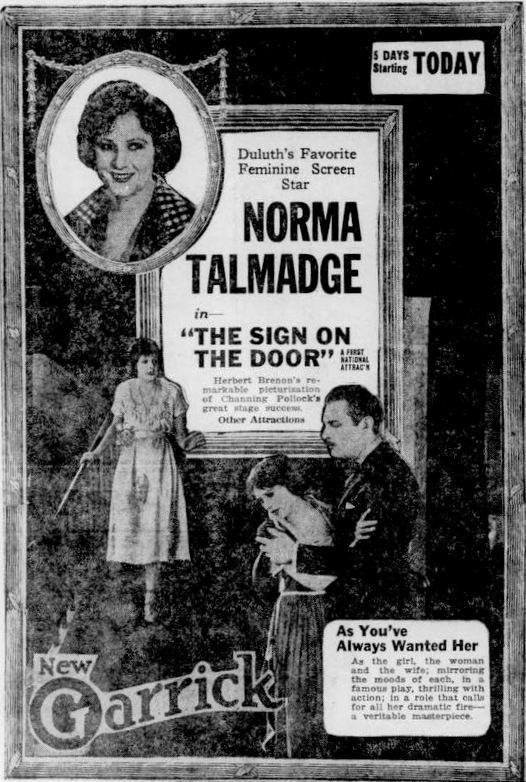
Director's Spotlight: United States
A Deep Dive into the 1921 Vision of Herbert Brenon
To understand the modern evolution of United States film, one must first look at The Sign on the Door and the collaborative alchemy between Herbert Brenon and the 1921 creative team. Subverting the expectations of the typical 1921 audience, it remains a vital reference point for anyone studying the evolution of Herbert Brenon.
In The Sign on the Door, Herbert Brenon pushes the boundaries of conventional narrative. The film's unique approach to its subject matter has sparked endless debates and interpretations among cinephiles and critics alike.
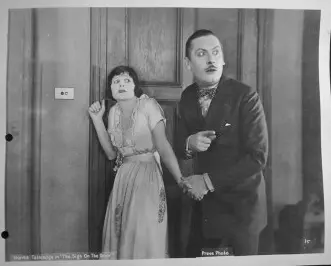
To fully appreciate The Sign on the Door, one must consider the cinematic climate of 1921. During this period, United States was undergoing significant artistic shifts, and Herbert Brenon was at the forefront of this Drama movement, often challenging established norms.
| Cinematography | Noir-Inspired |
| Soundtrack | Experimental |
| Editing | Elliptical |
| Art Direction | Expressionist |
Visualizing the convergence of Herbert Brenon's style and the core Drama narrative.
Ann Hunniwell, innocently accompanying Frank Devereaux, her employer's son, to a questionable New York cafe, is arrested in a raid and is photographed by a newspaperman, although Devereaux manages to obtain the negative. Five years later she is the wife of "Lafe" Regan, a man of high character and social standing. Her stepdaughter, Helen, becomes involved with Devereaux, who has also had an affair with the wife of Colonel Gaunt. When the colonel threatens to shoot Devereaux, Regan stalls him, while Ann follows Helen to Frank's apartment; after an oral conflict, Regan shoots Devereaux and leaves a "Not To Be Disturbed" sign on the door. Ann tries to take the blame and shield her family, but the district attorney, having posed as the photographer years before, believes Ann is equally guiltless now and frees her and her husband, stating that no jury would convict Regan on his plea of "Self-Defense."
Decades after its release, The Sign on the Door remains a vital piece of the cinematic puzzle. Its influence can be seen in countless modern works, solidifying Herbert Brenon's status as a master of the craft in United States and beyond.