
DbcultAccessing Vault...
Director's Spotlight
Senior Film Conservator
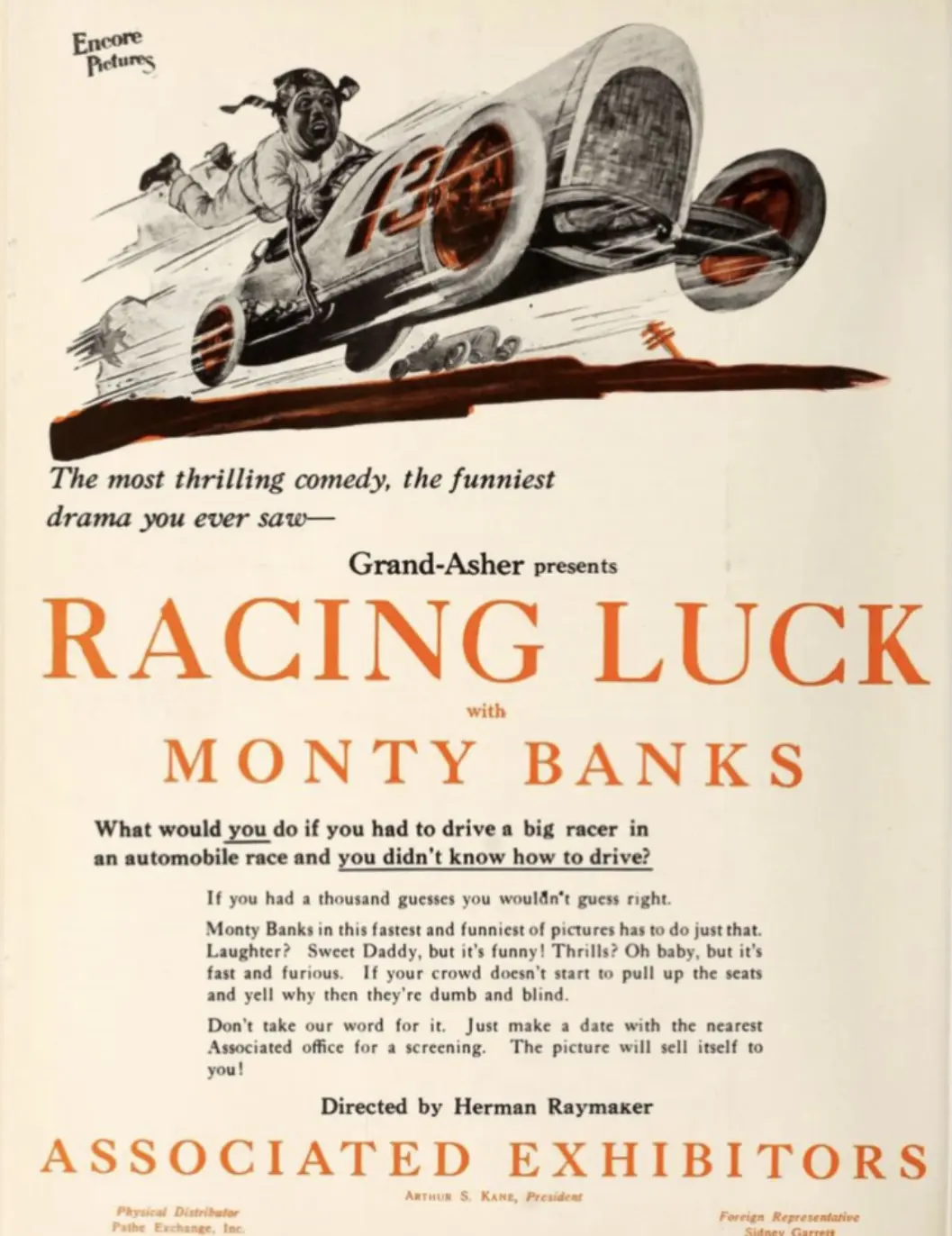
Director's Spotlight: United States
A Deep Dive into the 1924 Vision of Herman C. Raymaker
The artistic breakthrough represented by Racing Luck in 1924 highlights the uncompromising vision of Herman C. Raymaker that defines this Comedy masterpiece. In the context of United States's rich cinematic history, it captures a specific kind of cinematic magic that is rarely replicated.
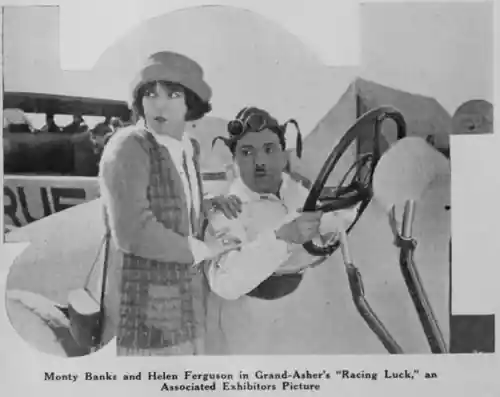
In Racing Luck, Herman C. Raymaker pushes the boundaries of conventional narrative. The film's unique approach to its subject matter has sparked endless debates and interpretations among cinephiles and critics alike.
| Cinematography | High-Contrast |
| Soundtrack | Synth-Heavy |
| Editing | Disjunctive |
| Art Direction | Baroque |
Visualizing the convergence of Herman C. Raymaker's style and the core Comedy narrative.
Mario Bianchi comes to the United States and moves in with his uncle, who runs a restaurant in New York City. Mario falls in love with his uncle's adopted daughter, Rosina, and teaches her several Italian dances to entertain the customers. However, Mario gets into trouble with gangster Tony Mora, knocking Tony down for forcing his attentions on Rosina. Tony forces Mario's uncle to fire him and sees to it that Mario cannot keep a job. Mario, mistaken for a famous racing driver, signs with a car manufacturer to drive in an important race. Tony sabotages the car, but Mario wins anyway, receiving a substantial amount of prize money. Mario and Rosina are married.
Decades after its release, Racing Luck remains a vital piece of the cinematic puzzle. Its influence can be seen in countless modern works, solidifying Herman C. Raymaker's status as a master of the craft in United States and beyond.