
DbcultAccessing Vault...
Director's Spotlight
Senior Film Conservator
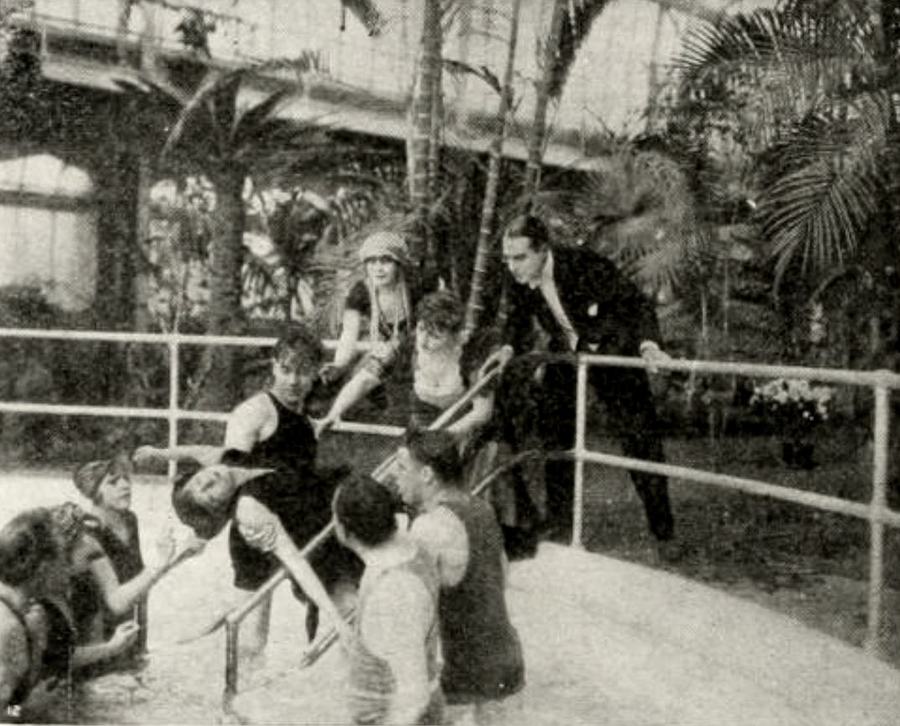
Director's Spotlight: United States
A Deep Dive into the 1915 Vision of Hobart Bosworth
As a cultural artifact of the 1915s, Nearly a Lady provides the visionary mind of its creator, Hobart Bosworth. With its avant-garde structure and atmospheric tension, it redefined what audiences could expect from a cult experience.
In Nearly a Lady, Hobart Bosworth pushes the boundaries of conventional narrative. The film's unique approach to its subject matter has sparked endless debates and interpretations among cinephiles and critics alike.
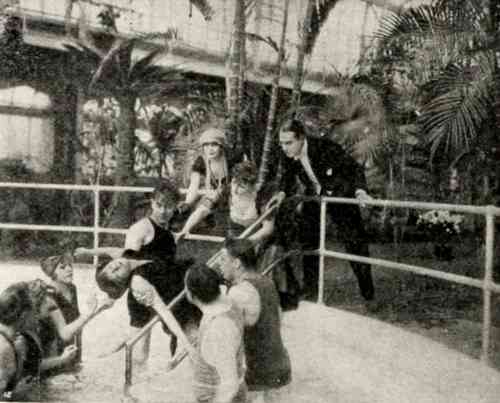
In this work, Hobart Bosworth explores the intersection of cult and United States cultural identity. The meticulous attention to detail suggests a deep-seated commitment to pushing the boundaries of the medium, ensuring that Nearly a Lady remains a relevant topic of study for cult enthusiasts.
| Cinematography | Handheld |
| Soundtrack | Minimalist |
| Editing | Slow-Burn |
| Art Direction | Brutalist |
Visualizing the convergence of Hobart Bosworth's style and the core cult narrative.
That a fork was ever meant for anything but spearing bread never dawned on Frederica Calhoun until the arrival at her father's big Montana ranch of Lord Cecil Grosvenor, a prospective buyer. He opened her eyes to an hitherto undreamed of world of refinement and good form, and she in turn appealed to his imagination by her crack riding, her beautiful lariat dances which the cowboys had taught her, and her unfailing sweet disposition and sunny bubbling good spirits. But on their betrothal, with its subsequent visit to Lord Grosvenor's sister, a New York society woman the idyll showed a flaw. Redfern gowns, afternoon teas and the formal social routine of the patrician Knickerbockers did wonders for Frederica, transforming the cocoon into a butterfly. But to Grosvenor it was demoralizing, and word of his escapades reached Frederica's ears. The night of the French Ball she borrowed a suit of men's evening clothes and hid by a stage door where with her own eyes she saw her fiancé come out with the dashing show girl with whom his name had been connected. Indeed, Frederica's "young man" makeup was so complete that Grosvenor grew jealous when Frederica eyed his companion so straight and hard. The fatal breach was widened when Frederica's prospective sister-in-law peeked into her room after her return and deceived as her brother had been, felt it her duty to inform him she had seen "a man." This Frederica spiritedly admitted, inasmuch as the "man" was none other than herself, but Grosvenor presumed to wax furious, and the absurdity of such a stand disgusted her and she tossed the Englishman over. As a matter of fact, she was glad of the excuse, for she had all the time been playing straight with him only at the expense of holding off an old Montana sweetheart who had come to New York and made good. Her hands free, Frederica returned to a man whose word she knew was good as his bond, and, thanking her stars she had learned in time that a man was not to be judged by the way he handled a fork.
Decades after its release, Nearly a Lady remains a vital piece of the cinematic puzzle. Its influence can be seen in countless modern works, solidifying Hobart Bosworth's status as a master of the craft in United States and beyond.