
DbcultAccessing Vault...
Director's Spotlight
Senior Film Conservator
Director's Spotlight: United States
A Deep Dive into the 1915 Vision of Hobart Bosworth
The 1915 release of The White Scar marked a significant moment for the stylistic boundaries pushed by Hobart Bosworth during the production. In the context of United States's rich cinematic history, it invites us to question our own perceptions of cult narratives.
In The White Scar, Hobart Bosworth pushes the boundaries of conventional narrative. The film's unique approach to its subject matter has sparked endless debates and interpretations among cinephiles and critics alike.
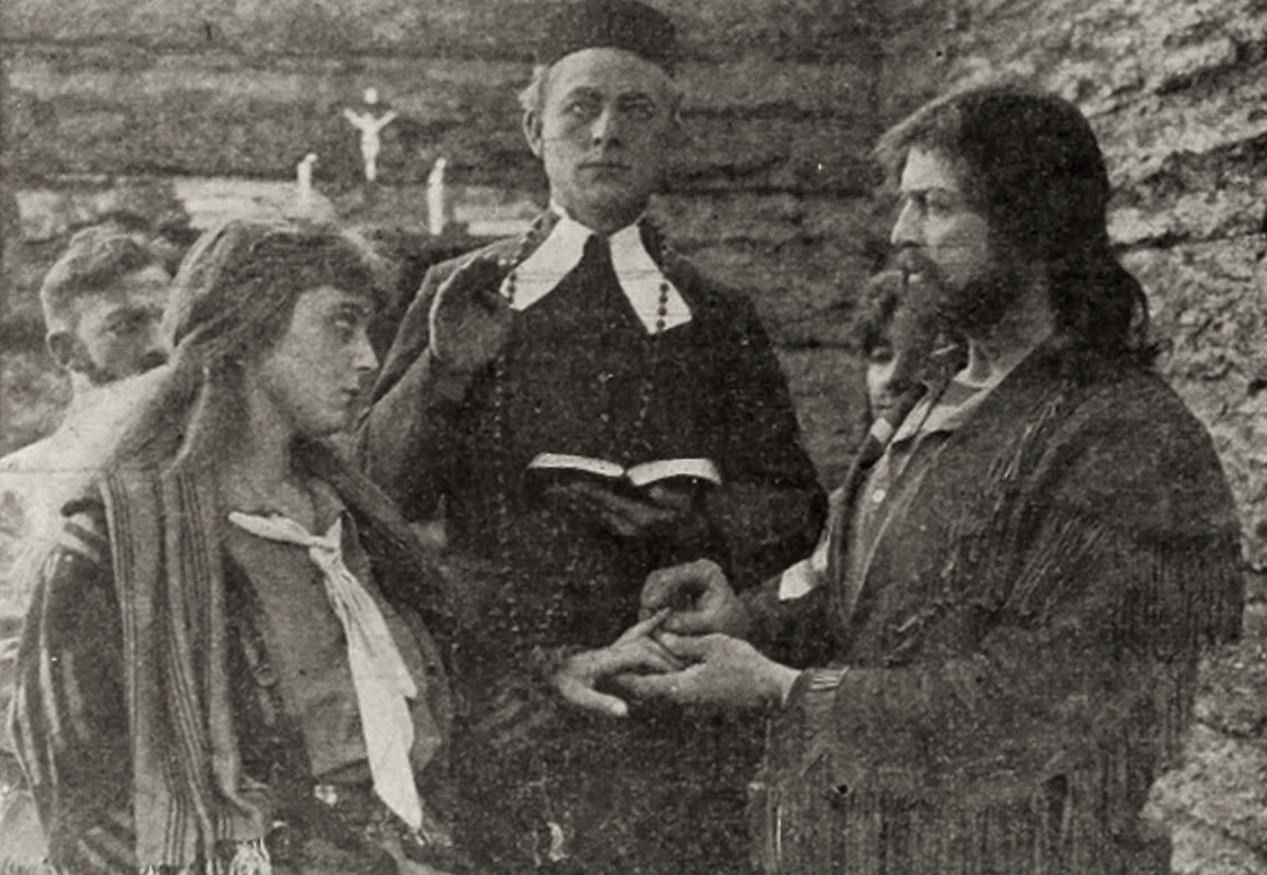
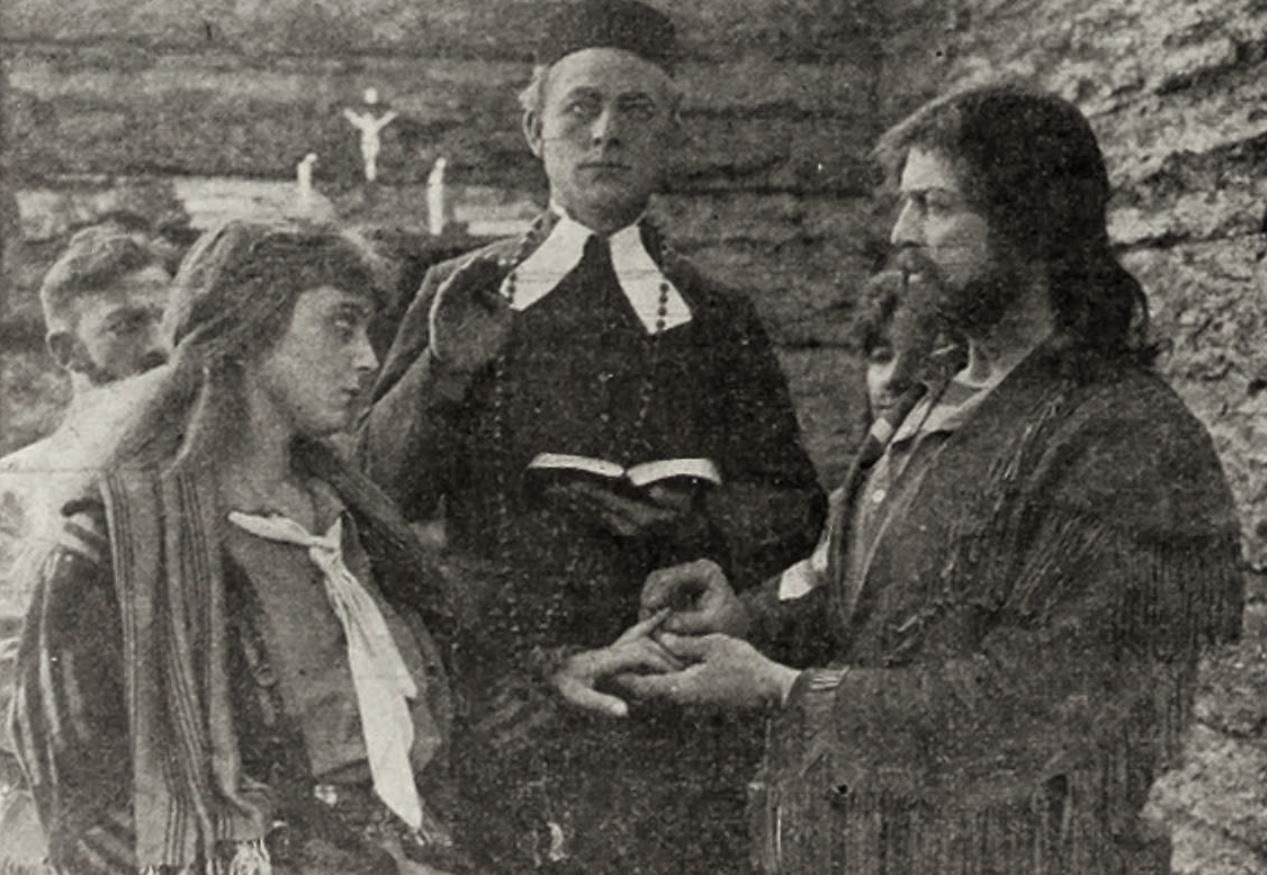
The visual language of The White Scar is defined by its use of shadows and framing, a hallmark of Hobart Bosworth's style. By utilizing a 1915-era palette, the film creates an immersive experience that perfectly complements its cult themes.
| Cinematography | Handheld |
| Soundtrack | Synth-Heavy |
| Editing | Disjunctive |
| Art Direction | Baroque |
Visualizing the convergence of Hobart Bosworth's style and the core cult narrative.
Hudson Bay fur trapper Na-Ta-Wan-Gan, falls in love with Janet Mackintosh, the daughter of the factor at the trading post who has been promised to the deceitful Henri Drouet. After stealing skins from Mr. Mackintosh with the help of Red Pete, Henri hides the evidence in the mail bag of Janet's brother Robert. Caught with the stolen goods, Robert is declared guilty and sentenced to a three-day journey into the wilderness. To save his love's brother, Na-Ta-Wan-Gan claims to be the thief and is jailed by Mackintosh. Robert and Janet release the trapper from prison, and then he and Janet abscond to a missionary's hut where they wed. The couple makes a home in the woods with the help of Wehnonah, an Indian chief's daughter who also loves Na-Ta-Wan-Gan. While on his death bed, Red Pete confesses his part in Henri's crimes, and Henri is apprehended and sent on a long traverse . Only after a series of misadventures, however, does he come to justice and clears Na-Ta-Wan-Gan's name.
Decades after its release, The White Scar remains a vital piece of the cinematic puzzle. Its influence can be seen in countless modern works, solidifying Hobart Bosworth's status as a master of the craft in United States and beyond.