
DbcultAccessing Vault...
Director's Spotlight
Senior Film Conservator
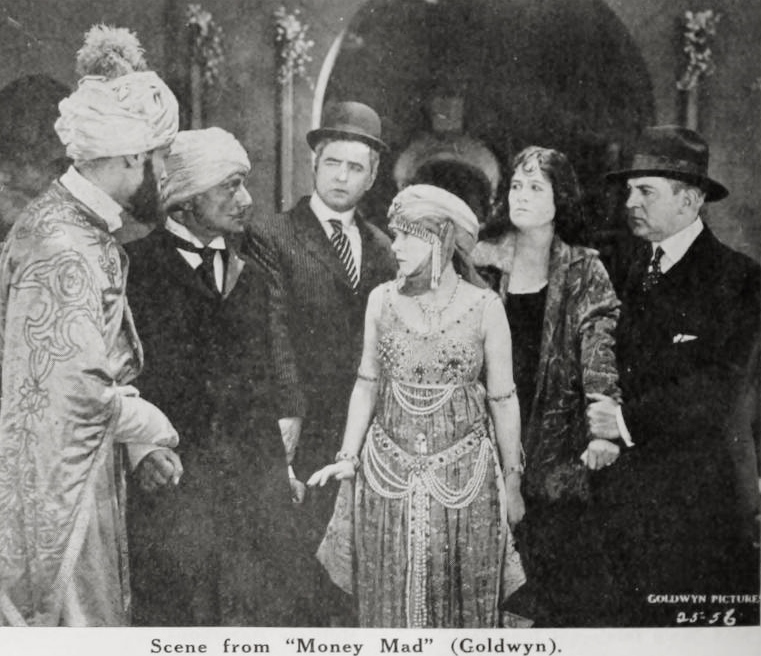
Director's Spotlight: United States
A Deep Dive into the 1918 Vision of Hobart Henley
The brilliance of Money Mad (1918) is inseparable from the visionary mind of its creator, Hobart Henley. Serving as a mirror to the anxieties of a changing world, it persists as a haunting reminder of our own cinematic history.
In Money Mad, Hobart Henley pushes the boundaries of conventional narrative. The film's unique approach to its subject matter has sparked endless debates and interpretations among cinephiles and critics alike.
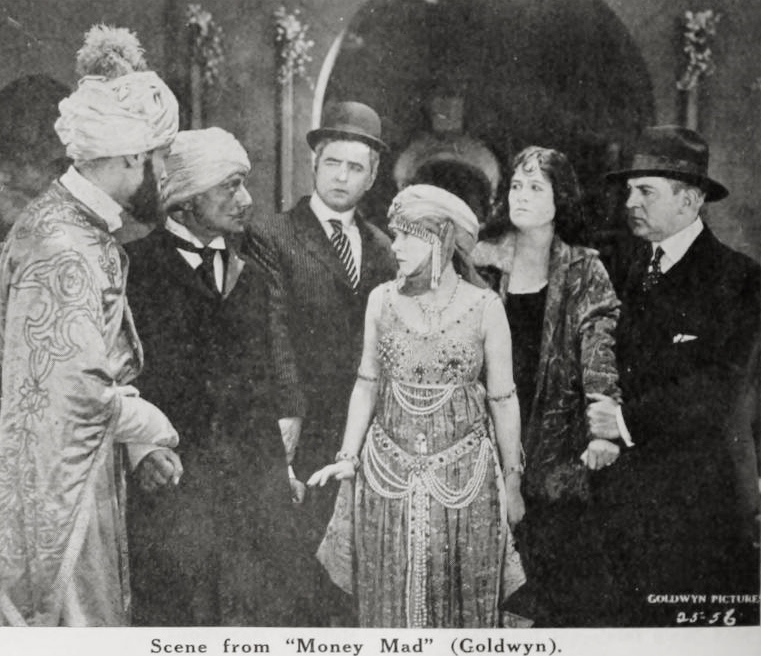
To fully appreciate Money Mad, one must consider the cinematic climate of 1918. During this period, United States was undergoing significant artistic shifts, and Hobart Henley was at the forefront of this cult movement, often challenging established norms.
| Cinematography | Deep Focus |
| Soundtrack | Experimental |
| Editing | Elliptical |
| Art Direction | Expressionist |
Visualizing the convergence of Hobart Henley's style and the core cult narrative.
Martin Ross and his East Indian servant Sima poison Mrs. Dean, whose money and pearls are left to her little daughter Elsie. Ross, the executor of the estate, spends all of the money with the willing assistance of seductress Fanette, but manages to retain the priceless pearls. When Elsie reaches the age of 18, she learns that she is penniless and formulates a plan to retrieve the jewels with the aid of her boyfriend William Gavin, Jr. Posing as seer "Madame Rama," Elsie sets Ross against Fanette, who has taken the pearls from their hiding place. When he confronts Fanette, she kills him and frames William for the crime. William is arrested, but "Madame Rama" tricks Fanette into confessing her guilt in the presence of several detectives. With Fanette and Sima behind bars, the pearls are restored to Elsie, who starts a new life with William.
Decades after its release, Money Mad remains a vital piece of the cinematic puzzle. Its influence can be seen in countless modern works, solidifying Hobart Henley's status as a master of the craft in United States and beyond.