
DbcultAccessing Vault...
Director's Spotlight
Senior Film Conservator
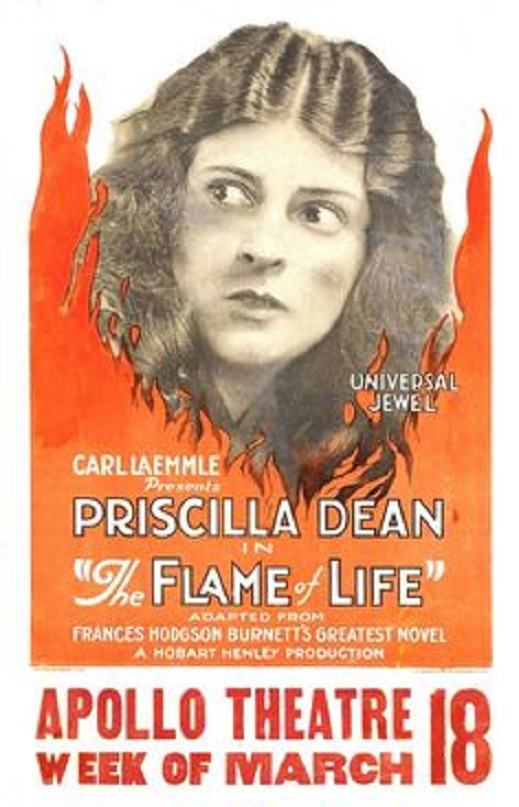
Director's Spotlight: United States
A Deep Dive into the 1923 Vision of Hobart Henley
The evocative power of The Flame of Life stems from the unique collaboration between the bold experimentation that has become synonymous with Hobart Henley. Framed by the hauntingly beautiful landscapes of the production, it echoes the profound changes occurring in United States during that era.
In The Flame of Life, Hobart Henley pushes the boundaries of conventional narrative. The film's unique approach to its subject matter has sparked endless debates and interpretations among cinephiles and critics alike.
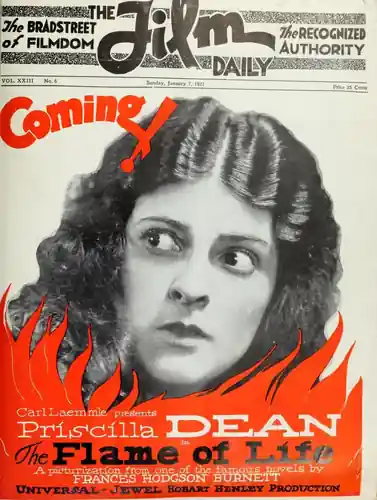
In this work, Hobart Henley explores the intersection of Drama and United States cultural identity. The meticulous attention to detail suggests a deep-seated commitment to pushing the boundaries of the medium, ensuring that The Flame of Life remains a relevant topic of study for Drama enthusiasts.
| Cinematography | Deep Focus |
| Soundtrack | Experimental |
| Editing | Invisible |
| Art Direction | Kitsch |
Visualizing the convergence of Hobart Henley's style and the core Drama narrative.
Joan Lowrie and her brutal father, Dan, labor in the English coal mines of the 1870's. Fergus Derrick, a new over-man, attempts to make his workers' lives more bearable but incurs Lowrie's wrath when he fires him for smoking in the mine. Bent on vengeance, Lowrie is beaten when he picks a fight with Fergus, then defiantly smokes in a mine tunnel. There is an explosion, Joan rescues Fergus, and their love triumphs over their class barriers.
Decades after its release, The Flame of Life remains a vital piece of the cinematic puzzle. Its influence can be seen in countless modern works, solidifying Hobart Henley's status as a master of the craft in United States and beyond.