
DbcultAccessing Vault...
Director's Spotlight
Senior Film Conservator
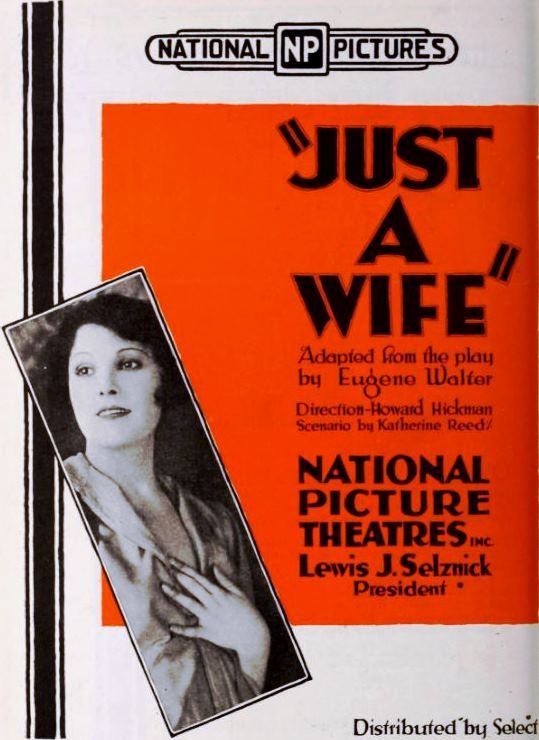
Director's Spotlight: United States
A Deep Dive into the 1920 Vision of Howard Hickman
Witnessing the stylistic transformation of Drama through Just a Wife reveals the global recognition that Howard Hickman garnered after the release of Just a Wife. Serving as a mirror to the anxieties of a changing world, offering layers of thematic complexity that demand repeated viewing.
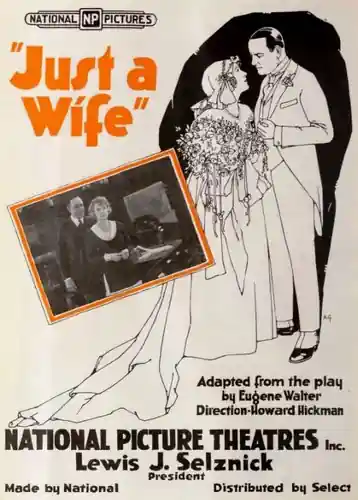
In Just a Wife, Howard Hickman pushes the boundaries of conventional narrative. The film's unique approach to its subject matter has sparked endless debates and interpretations among cinephiles and critics alike.
| Cinematography | High-Contrast |
| Soundtrack | Experimental |
| Editing | Elliptical |
| Art Direction | Expressionist |
Visualizing the convergence of Howard Hickman's style and the core Drama narrative.
Richard Emerson and Mary Ashby undertake a marriage of convenience: she marries him for his wealth, and he marries her both for her social standing and to quash rumors of an affair with his brilliant secretary, Eleanor Lathrop. After the ceremony, the couple separates. Mary returns to their elegant country home, while Emerson, accompanied by Eleanor, travels West to work in his railroad construction camp. Time passes and Mary, despite her luxuries, discovers that only her husband can make her happy, while Emerson realizes that his opportunism has only brought him loneliness. Successful beyond his wildest expectations, Emerson returns to New York with Eleanor on the eve of his third anniversary. Visiting Mary, he discovers an anniversary dinner awaiting him, and a reconciliation seems possible. However, later that evening, Eleanor arrives and confesses her love for Emerson. The two women duel for his possession, with Mary emerging victorious.
Decades after its release, Just a Wife remains a vital piece of the cinematic puzzle. Its influence can be seen in countless modern works, solidifying Howard Hickman's status as a master of the craft in United States and beyond.