
DbcultAccessing Vault...
Listicle
Senior Film Conservator
The history of cinema is a vast, shimmering ocean, yet we often find ourselves swimming in the same shallow waters of well-known classics. While names like Chaplin, Keaton, and Murnau dominate the conversation, the era between 1917 and 1930 was a period of frantic, beautiful experimentation across the globe. From the haunting streets of Budapest to the bustling animation studios of New York, filmmakers were inventing a language that we still speak today. In this listicle, we are diving deep into the archives to highlight ten specific films that capture the essence of this transition—a journey from the flickering shadows of the silent screen to the bold, brassy dawn of the 'talkies'. Whether you are a die-hard cinephile or a curious newcomer, these ten films offer a unique window into a world of lost artistry and technical innovation.
Before the sound era brought us numerous interpretations of Oscar Wilde's cautionary tale, Alfréd Deésy directed this haunting Hungarian adaptation in 1917. Das Bildnis des Dorian Gray stands as a monumental piece of early European cinema, capturing the decadence and psychological horror of the source material through the limited but expressive lens of the 1910s. The film utilizes striking shadows and stylized performances to convey Dorian's descent into vanity and sin. At a time when the medium was still finding its footing with long-form narrative, this adaptation proved that the silent screen was more than capable of handling complex philosophical themes. It remains a fascinating artifact for those interested in how early filmmakers translated literary prose into visual poetry. The atmosphere is thick with the dread of the unknown, making it a must-watch for fans of early gothic cinema.
Read full review of Das Bildnis des Dorian Gray
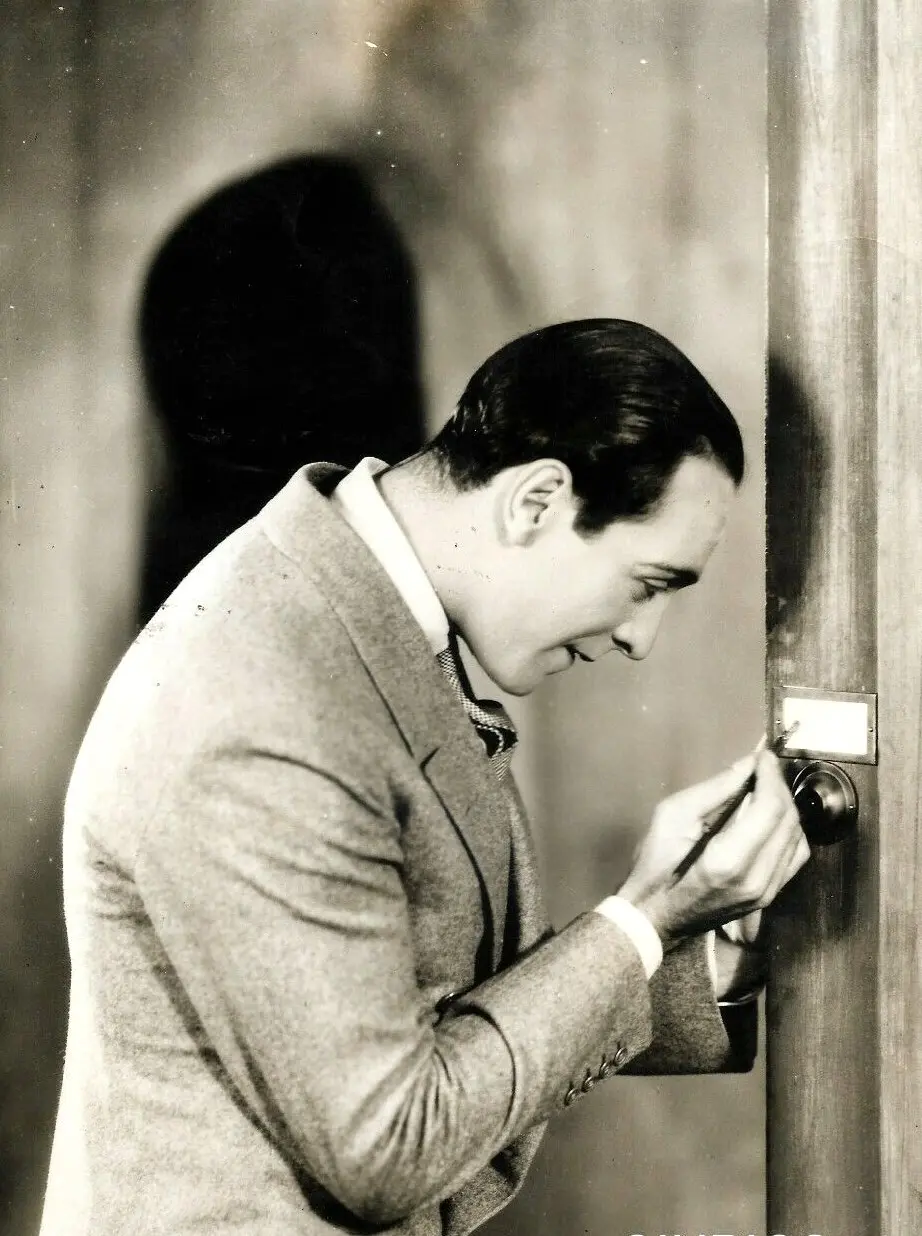
As the First World War drew to a close, the cinema-going public was hungry for escapism, and Hearts or Diamonds? delivered exactly that. Starring the ruggedly charismatic William Russell, this 1918 production is a quintessential example of the early American crime-drama. The story weaves a web of jewel thieves, mistaken identities, and high-society intrigue. What makes this film particularly engaging is its pacing; it lacks the sluggishness often associated with very early features, opting instead for a brisk narrative that keeps the audience guessing. The cinematography captures the opulence of the era’s wealthy elite, contrasting it with the gritty underbelly of the criminal world. It serves as a precursor to the noir elements that would eventually dominate Hollywood decades later, showcasing the early industry's ability to blend romance with high-stakes tension.
Read full review of Hearts or Diamonds?
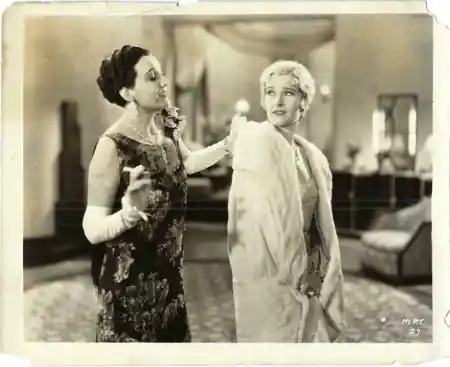
The year 1919 saw the cinematic adaptation of Emmerich Kálmán’s immensely popular operetta, Die Czardasfürstin (The Riviera Girl). In an era before synchronized sound, adapting an operetta was a bold move that relied heavily on the audience's familiarity with the music and the actors' ability to convey rhythm and emotion through movement alone. This film is a lavish production, featuring the grand costumes and elaborate sets that defined European prestige cinema of the time. It tells a classic story of star-crossed lovers—a cabaret singer and a prince—challenging the rigid social structures of the aristocracy. The film is a vibrant reminder of the cultural interconnectedness of early 20th-century Europe, where stage hits were rapidly transformed into silver screen sensations to satisfy a global audience.
Read full review of Die Czardasfürstin
Slapstick was the universal language of the silent era, and Hits and Misses is a charming testament to the physical comedy that ruled the box office in 1919. This short film relies on the impeccable timing and acrobatic prowess of its cast, delivering a series of escalating gags that remain surprisingly effective today. During this period, comedy was transitioning from pure chaos to more structured, character-driven narratives. Hits and Misses captures this middle ground perfectly, offering a blend of sight gags and situational irony. It is the kind of film that reminds us why early audiences fell in love with the cinema: it was a place of laughter, wonder, and shared human experience that transcended the need for dialogue. The energy captured on screen is infectious, proving that a well-executed fall or a perfectly timed double-take is truly timeless.
Read full review of Hits and Misses
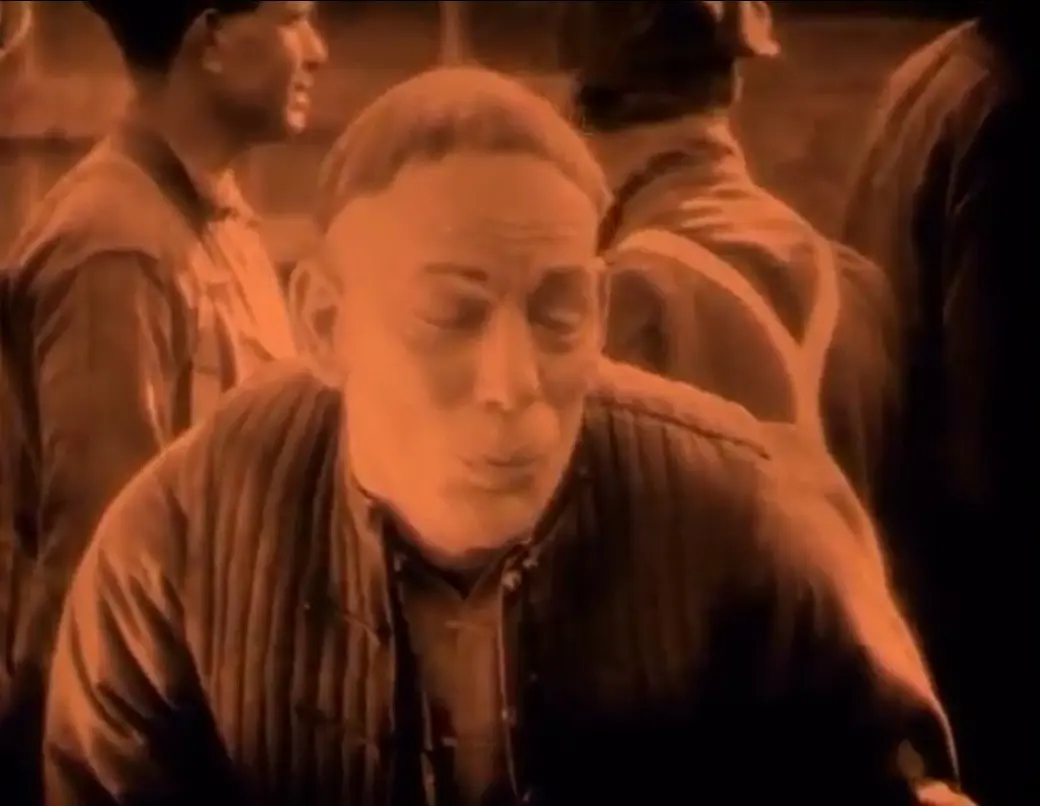
By 1923, German cinema was the artistic envy of the world, leading the way in Expressionism and sophisticated set design. Der Puppenmacher von Kiang-Ning (The Doll Maker of Kiang-Ning) is a fascinating example of the 'Exoticism' trend that swept through the Weimar Republic. While modern viewers may view its cultural depictions through a critical lens, the film's technical artistry is undeniable. The use of lighting and shadow to create a dreamlike, almost surreal atmosphere is masterclass. The story, centered around the titular doll maker, touches on themes of obsession and the blurred line between the creator and the created—a recurring motif in German cinema from The Golem to Metropolis. It is a visual feast that demonstrates how far the medium had come in just a few short years, moving toward a deeply psychological and artistic form of storytelling.
Read full review of Der Puppenmacher von Kiang-Ning
The late 1920s were a golden age for animation, and Max Fleischer was one of its primary wizards. Ko-Ko's Field Daze, part of the iconic 'Out of the Inkwell' series, features Ko-Ko the Clown in a brilliant display of technical innovation. Fleischer’s use of the rotoscope allowed for fluid, lifelike movement that was light-years ahead of his contemporaries. In this short, the interaction between the animated Ko-Ko and the real-world environment (and his creator) provides a meta-narrative that was incredibly sophisticated for 1928. The film is a joyful exploration of the medium's possibilities, filled with surreal transformations and visual puns. It reminds us that before the industry became standardized, animation was a wild, experimental frontier where the only limit was the artist's imagination. Ko-Ko remains one of the most endearing figures of this era, a bridge between the vaudeville past and the animated future.
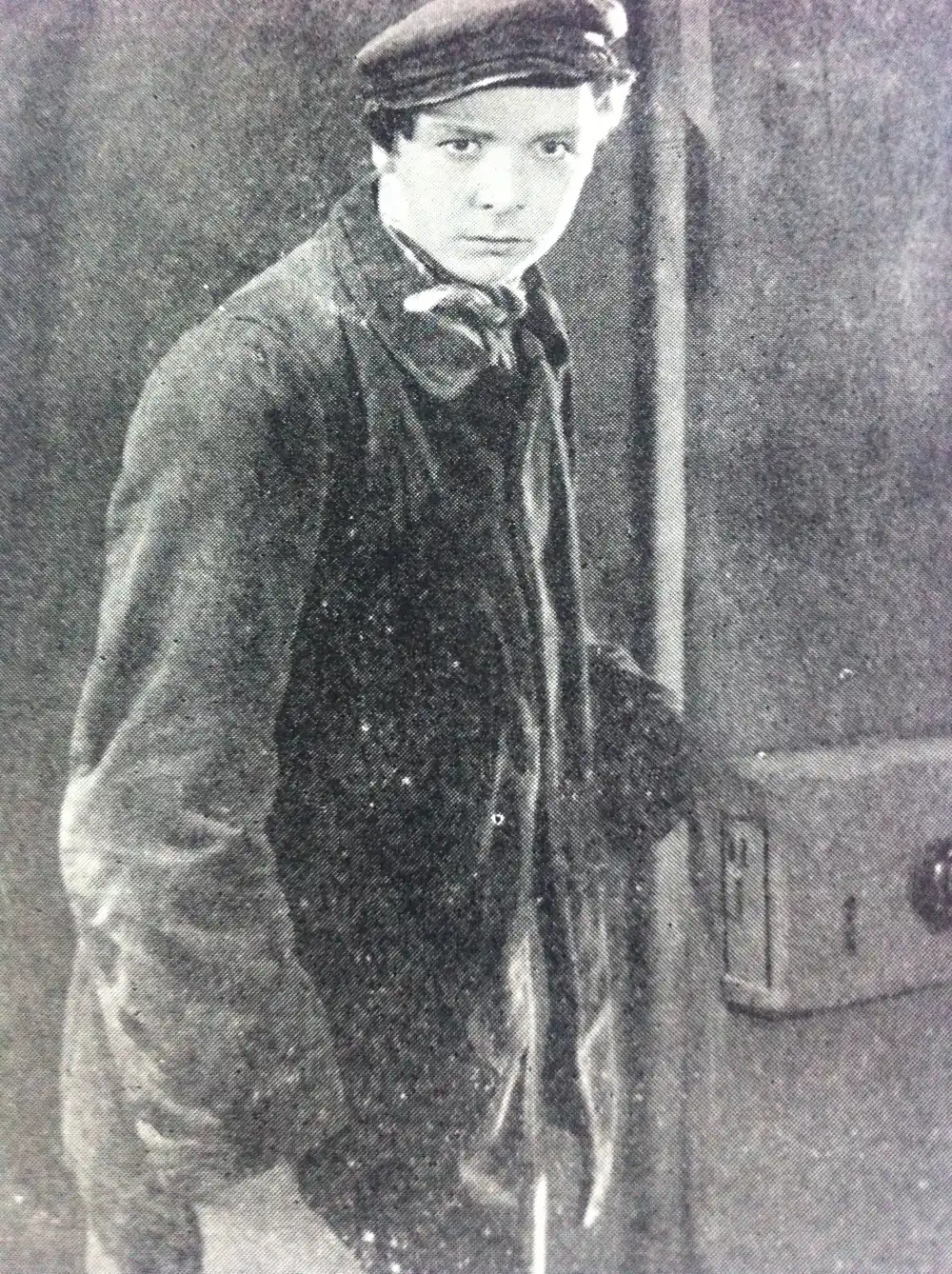
Read full review of Ko-Ko's Field Daze
Directed by the legendary Julien Duvivier, The Divine Voyage (La divine croisière) arrived at the very end of the silent era. It is a sweeping maritime melodrama that showcases the director's burgeoning talent for capturing human emotion against epic backdrops. The film follows the struggle of a village against a tyrannical shipowner, blending social commentary with high-seas adventure. Duvivier’s use of location shooting and naturalistic lighting gives the film a gritty realism that was becoming popular in late-silent French cinema. It is a poignant look at the power of faith and community, anchored by powerful performances that don't need a single spoken word to convey the weight of their world. As the industry stood on the brink of the 'Talkie' revolution, The Divine Voyage served as a spectacular swan song for the silent art form.
Read full review of The Divine Voyage
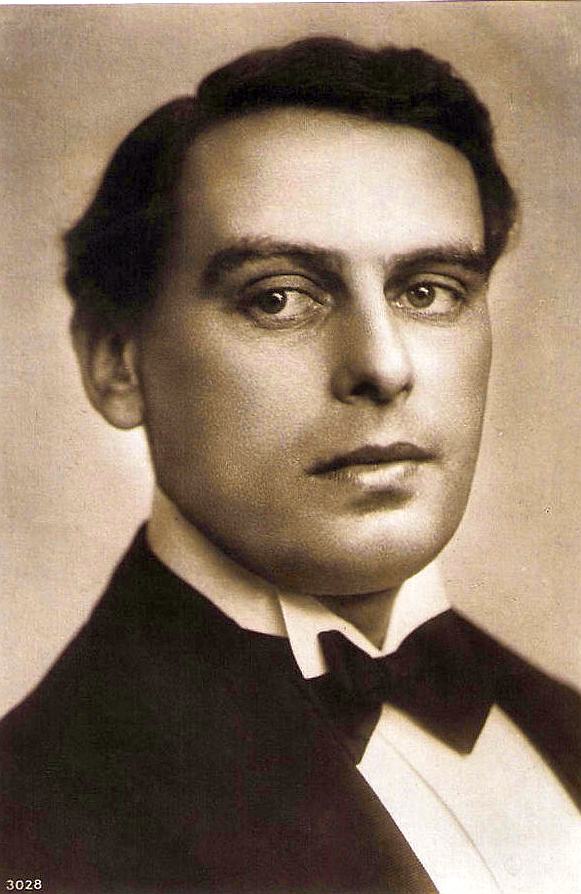
By 1929, the world was already starting to fall under the spell of a certain mouse. Mickey's Strategy is a fascinating artifact from the earliest days of Disney’s dominance. In this period, Mickey was a much more mischievous, scrappy character than the corporate icon he would eventually become. The film is a masterclass in the 'rubber hose' style of animation, where physics are merely a suggestion and characters can stretch and squash in delightful ways. This was also a time when sound was being integrated into the animation process, and you can see the filmmakers experimenting with the rhythm of the action to match a potential musical score. It’s a short, punchy piece of entertainment that captures the raw energy of a studio that was about to change the entertainment industry forever.
Read full review of Mickey's Strategy
As we move into 1930, the transition to sound was in full swing, and The Gorilla Mystery is a perfect example of how early sound cartoons utilized tension and atmosphere. In this Mickey Mouse short, a dangerous gorilla escapes from the zoo, leading to a spooky showdown in Minnie’s house. The film plays with horror tropes—shadows on the wall, creaking doors, and the 'damsel in distress'—all while maintaining the lighthearted spirit of a Disney cartoon. The synchronized sound effects and music are used brilliantly to heighten the 'scary' moments, showing how quickly the Disney team mastered the new technology to enhance their storytelling. It’s a bridge between the silent shorts of the past and the more cinematic, narrative-driven cartoons of the 1930s.
Read full review of The Gorilla Mystery
Closing out our list is Love and Champagne, a 1930 production that captures the spirit of the early sound era’s musical comedies. As the Great Depression began to loom over the world, films like this offered a bubbly, effervescent escape. The 'Talkies' allowed for witty banter and musical numbers that were previously impossible, and Love and Champagne leans into this newfound freedom with gusto. The film is a celebration of the 'Pre-Code' era’s sensibilities—light, sophisticated, and occasionally risqué. It serves as a fascinating contrast to the silent dramas of the previous decade, showing a world that was suddenly louder, faster, and more focused on the immediate pleasure of the senses. It is the perfect end-cap to our journey, signaling the end of one cinematic age and the boisterous beginning of another.
Read full review of Love and Champagne
Looking back at these ten films, it’s clear that the period from 1917 to 1930 was one of the most fertile and creative in the history of the medium. These films are more than just historical curiosities; they are vibrant, breathing works of art that continue to inspire and entertain. By seeking out these hidden gems, we gain a deeper appreciation for the pioneers who built the foundations of modern cinema, one frame at a time.