
DbcultAccessing Vault...
Director's Spotlight
Senior Film Conservator
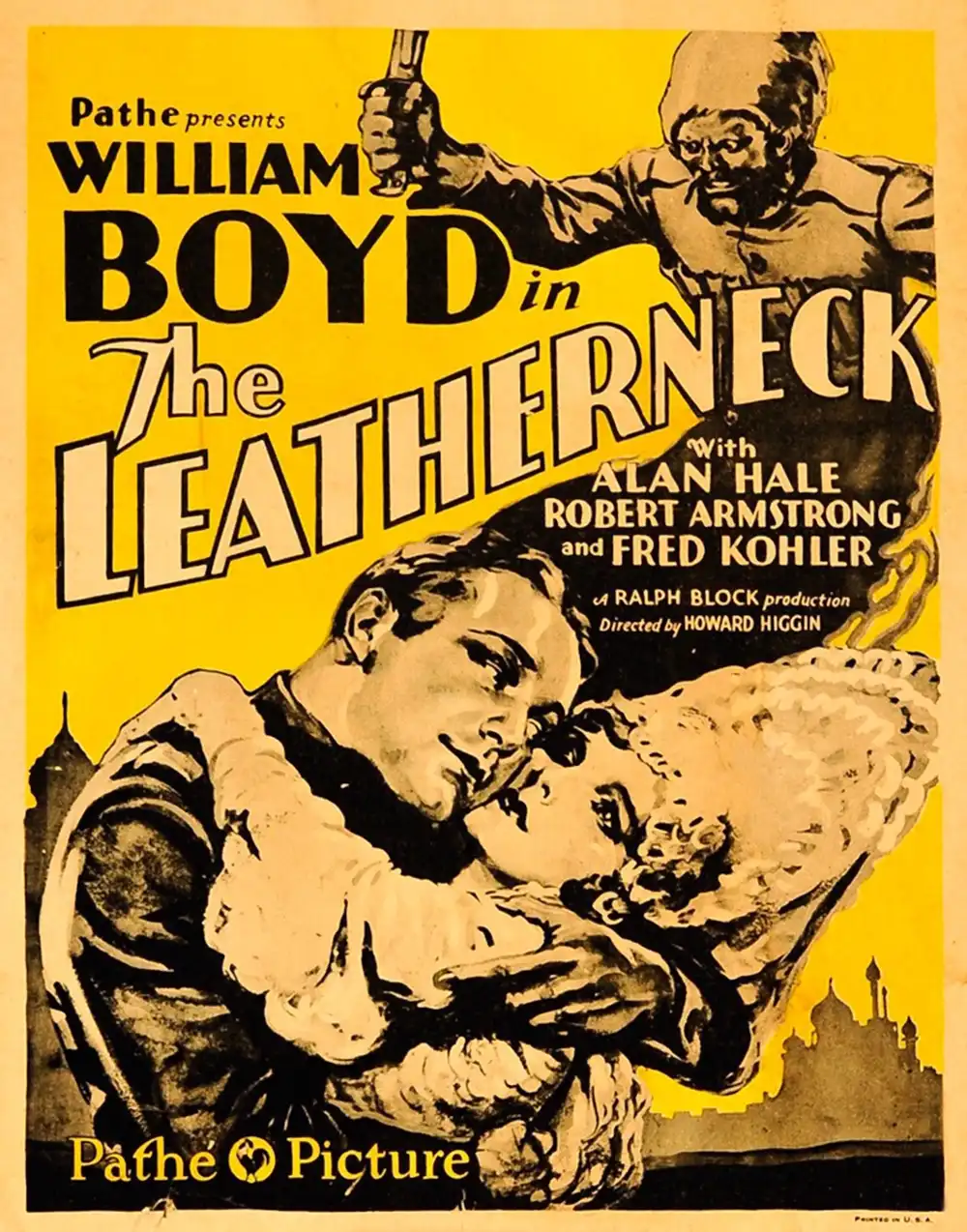
Director's Spotlight: United States
A Deep Dive into the 1929 Vision of Howard Higgin
The evocative power of The Leatherneck stems from the unique collaboration between the bold experimentation that has become synonymous with Howard Higgin. Framed by the hauntingly beautiful landscapes of the production, it echoes the profound changes occurring in United States during that era.
In The Leatherneck, Howard Higgin pushes the boundaries of conventional narrative. The film's unique approach to its subject matter has sparked endless debates and interpretations among cinephiles and critics alike.
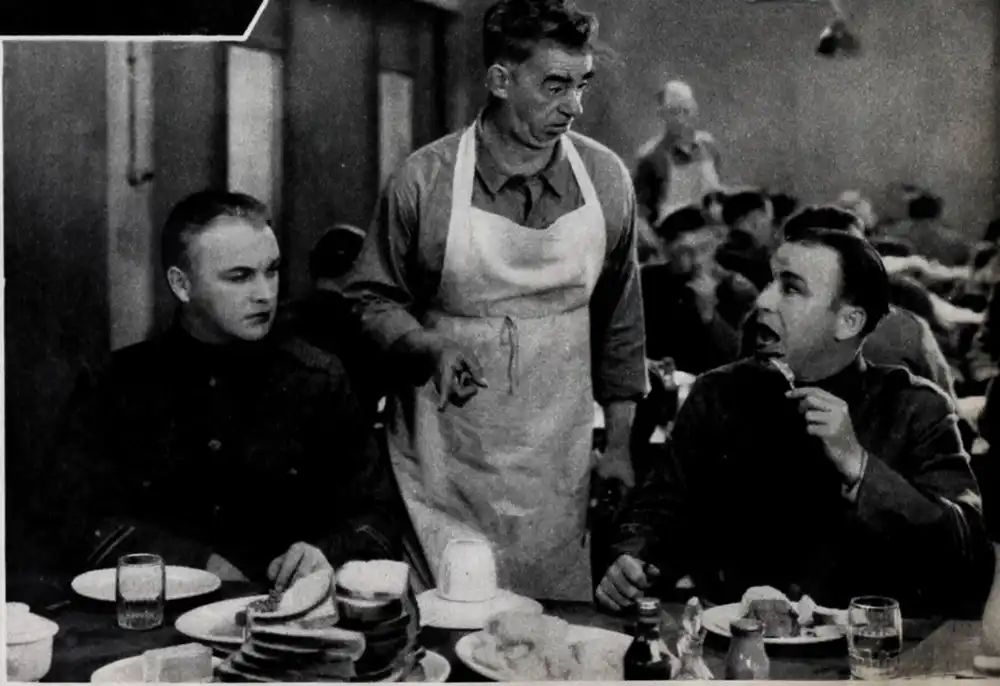
The visual language of The Leatherneck is defined by its use of shadows and framing, a hallmark of Howard Higgin's style. By utilizing a 1929-era palette, the film creates an immersive experience that perfectly complements its Drama themes.
| Cinematography | Static |
| Soundtrack | Orchestral |
| Editing | Slow-Burn |
| Art Direction | Brutalist |
Visualizing the convergence of Howard Higgin's style and the core Drama narrative.
A film about male bonding. At the end of WW I, two Americans (William Boyd and Robert Armstrong) befriend a simple minded German (Alan Hale) and win him over into becoming an American. All three are still peacetime service members in the US Marines when an unscrupulous character steals Boyd's girl and his two buddies go off to rescue her. When they don't come back, Boyd goes after them to rescue all. This is all done in flashback from a court martial trial for desertion.
Decades after its release, The Leatherneck remains a vital piece of the cinematic puzzle. Its influence can be seen in countless modern works, solidifying Howard Higgin's status as a master of the craft in United States and beyond.