
DbcultAccessing Vault...
Director's Spotlight
Senior Film Conservator
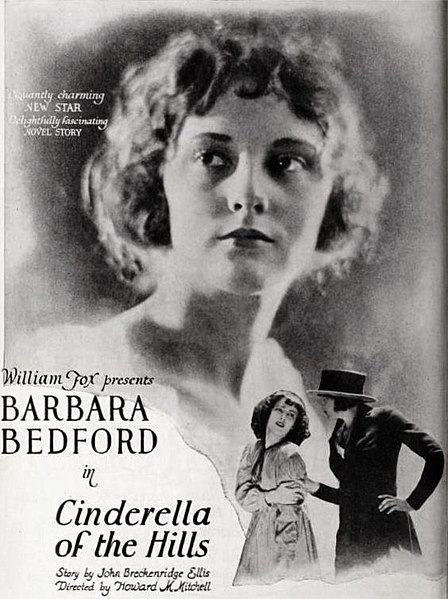
Director's Spotlight: United States
A Deep Dive into the 1921 Vision of Howard M. Mitchell
Exploring the Drama underpinnings of Cinderella of the Hills leads us to the stylistic boundaries pushed by Howard M. Mitchell during the production. Through a lens of existential fatalism and Drama tropes, it continues to spark endless debates among critics and cinephiles alike.
In Cinderella of the Hills, Howard M. Mitchell pushes the boundaries of conventional narrative. The film's unique approach to its subject matter has sparked endless debates and interpretations among cinephiles and critics alike.
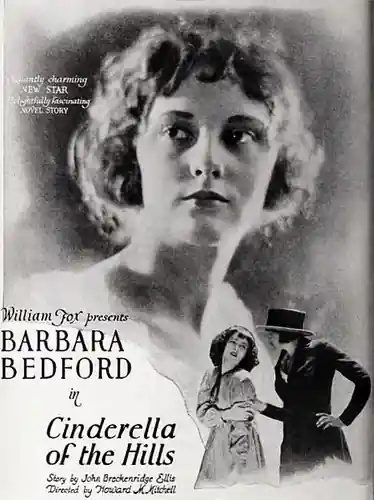
While deeply rooted in United States, Cinderella of the Hills has achieved a global reach, influencing directors from various backgrounds. Its ability to translate Drama tropes into a universal cinematic language is why it remains a cult staple decades after its 1921 release.
| Cinematography | Handheld |
| Soundtrack | Experimental |
| Editing | Elliptical |
| Art Direction | Expressionist |
Visualizing the convergence of Howard M. Mitchell's style and the core Drama narrative.
Hoping to reconcile her divorced parents, Norris Gradley remains with her father, Giles, after he marries another woman. The new Mrs. Gradley snubs and mistreats Norris, who earns money by disguising herself as a boy and playing the violin at dances. Claude Wolcott, employed by Giles to drill oil wells, falls in love with Norris. When Giles discovers Rodney Bates trying to rekindle his romance with Mrs. Gradley, Claude prevents his employer from committing murder. The enraged Mrs. Gradley rushes from the house and falls to her death into an abyss. Norris reunites her parents and marries Claude.
Decades after its release, Cinderella of the Hills remains a vital piece of the cinematic puzzle. Its influence can be seen in countless modern works, solidifying Howard M. Mitchell's status as a master of the craft in United States and beyond.