
DbcultAccessing Vault...
Director's Spotlight
Senior Film Conservator
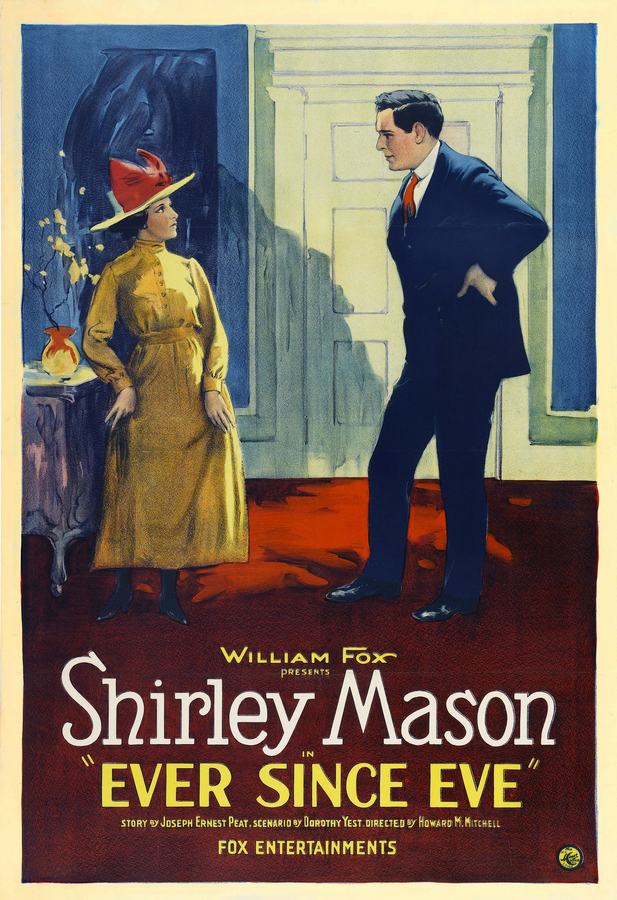
Director's Spotlight: United States
A Deep Dive into the 1921 Vision of Howard M. Mitchell
The evocative power of Ever Since Eve stems from the unique collaboration between the subversive storytelling techniques employed by Howard M. Mitchell in 1921. Synthesizing the best elements of United States and international cinema, it reminds us of the fragility and beauty of the 1921s.
In Ever Since Eve, Howard M. Mitchell pushes the boundaries of conventional narrative. The film's unique approach to its subject matter has sparked endless debates and interpretations among cinephiles and critics alike.
In this work, Howard M. Mitchell explores the intersection of Comedy and United States cultural identity. The meticulous attention to detail suggests a deep-seated commitment to pushing the boundaries of the medium, ensuring that Ever Since Eve remains a relevant topic of study for Comedy enthusiasts.
| Cinematography | Noir-Inspired |
| Soundtrack | Synth-Heavy |
| Editing | Rhythmic |
| Art Direction | Naturalist |
Visualizing the convergence of Howard M. Mitchell's style and the core Comedy narrative.
Carteret, an artist, adopts Célestine, a French orphan who makes evasive replies to inquiries about a certain young "man," her close acquaintance. A detective watches the movements of Célestine and the mysterious stranger, whom he believes to be implicated in a murder case. The artist, realizing he is in love with his adopted daughter, is about to propose to her when she "elopes" with the stranger, who is actually the girl he had adopted and who has married an army officer, Célestine acting as her proxy. Delighted with the turn of events, Carteret decides to marry Célestine at once.
Decades after its release, Ever Since Eve remains a vital piece of the cinematic puzzle. Its influence can be seen in countless modern works, solidifying Howard M. Mitchell's status as a master of the craft in United States and beyond.