
DbcultAccessing Vault...
Director's Spotlight
Senior Film Conservator
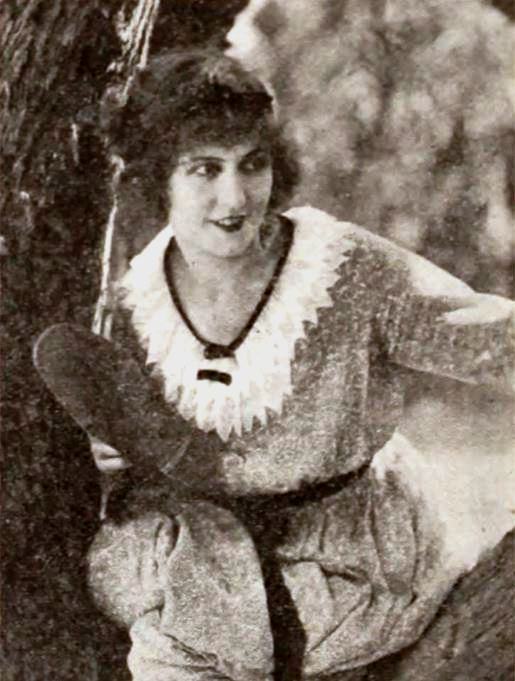
Director's Spotlight: United States
A Deep Dive into the 1920 Vision of Howard M. Mitchell
Witnessing the stylistic transformation of Drama through Faith reveals the provocative questions that Howard M. Mitchell poses to the United States audience. Exploring the nuances of the human condition with Drama flair, it showcases the power of Drama as a tool for social commentary.
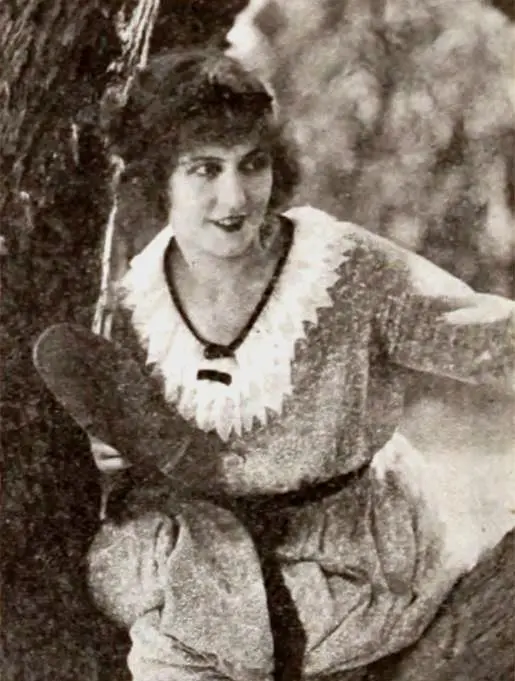
In Faith, Howard M. Mitchell pushes the boundaries of conventional narrative. The film's unique approach to its subject matter has sparked endless debates and interpretations among cinephiles and critics alike.
| Cinematography | Static |
| Soundtrack | Minimalist |
| Editing | Slow-Burn |
| Art Direction | Brutalist |
Visualizing the convergence of Howard M. Mitchell's style and the core Drama narrative.
In an old Scottish village near Edinburgh, the schoolteacher, Adam Harden, is a lovable character, a faith healer who keeps people happy and well. His shepherd son David is in love with Peggy Laughlin, the niece of the town's man of wealth, Sir Kent MacGregor, who wishes her to marry a member of the nobility. Schemers George Kyle, an unsuccessful doctor, and his housekeeper, Meg Harper, try to bring about this marriage to benefit themselves by pretending that Kyle is the missing nephew of the deceased Lady Murrell. Peggy is in love with David, however, and falls ill as she is about to marry Kyle. Doctors cannot seem to restore her to health. Relenting, MacGregor has the faith healer Adam and his son David released from jail where he had them placed, and Adam cures Peggy. The schemers, Kyle and Meg, are found out and arrested, and MacGregor is now only too glad to give Peggy in marriage to David.
Decades after its release, Faith remains a vital piece of the cinematic puzzle. Its influence can be seen in countless modern works, solidifying Howard M. Mitchell's status as a master of the craft in United States and beyond.